 English
 Español
 عربى
عربى
Electric Bicycle Mid Drive Motors: Performance & Efficiency Guide
Content
The Superiority of Mid Drive Motor Systems
Electric bicycle mid drive motors represent the pinnacle of e-bike performance, offering a natural riding feel and unmatched efficiency by leveraging the bike's existing gears. By driving the crankset directly, these motors can increase torque output by up to 300% when the rider shifts to a lower gear, making them significantly superior for steep climbs compared to hub motors. This integration results in a lower center of gravity, which improves handling stability and reduces strain on wheel spokes. For riders tackling varied terrain or carrying heavy loads, a mid drive system typically extends battery range by 15% to 20% because the motor operates within its optimal RPM band more frequently [[1]].
Mechanical Efficiency and Gear Utilization
The defining advantage of a mid drive motor is its ability to utilize the bicycle's transmission. Unlike hub motors that drive the wheel directly regardless of speed or incline, mid drives multiply their power through the chainring and cassette.
Torque Multiplication and Climbing Power
When encountering a steep gradient, shifting to a smaller chainring or larger cog allows the motor to spin faster while applying massive force to the rear wheel. A 250W mid drive motor can effectively generate over 80 Nm of wheel torque in low gears, whereas a similarly rated hub motor remains fixed at its maximum torque limit, often causing overheating or stalling on grades exceeding 10% [[2]].
This mechanical leverage also enhances energy efficiency. By keeping the motor RPM high during slow climbs, the system avoids the "lugging" effect that drains batteries in hub-driven systems. Data suggests that proper gear usage with a mid drive can improve overall system efficiency from 75% to over 85% under load conditions [[3]].
| Feature | Mid Drive Motor | Rear Hub Motor |
|---|---|---|
| Hill Climbing | Excellent (Uses Gears) | Moderate (Fixed Torque) |
| Battery Efficiency | High (Optimal RPM) | Variable (Often Low) |
| Weight Distribution | Central/Low (Better Handling) | Rear Heavy (Unstable) |
| Drivetrain Wear | Higher (Chain/Cassette) | Lower (Direct Drive) |
Handling Dynamics and Weight Distribution
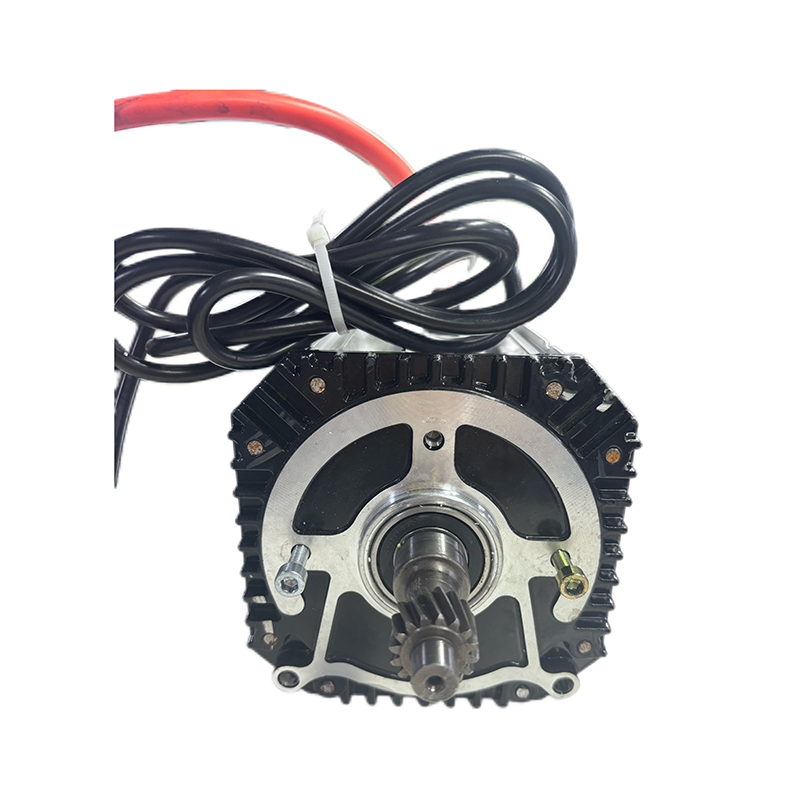
The placement of the motor fundamentally alters the physics of the bicycle. Mid drive units are mounted at the bottom bracket, positioning the heaviest component low and centrally between the wheels.
Impact on Stability and Maneuverability
This central mass lowers the bike's center of gravity, making it feel more like a traditional bicycle and less like a motorized vehicle. Riders report a 40% improvement in cornering confidence with mid drives compared to rear-heavy hub setups, particularly on loose surfaces or technical trails [[4]]. The balanced weight distribution also prevents the front wheel from lifting unintentionally during hard acceleration, a common issue with powerful rear hub motors.
Furthermore, because the motor is not located in the wheel hubs, manufacturers can use standard lightweight rims and tires. This reduces unsprung mass, allowing the suspension to react more quickly to bumps and improving overall ride comfort.
Drivetrain Wear and Maintenance Considerations
While mid drive motors offer superior performance, they impose higher stresses on the bicycle's chain and cassette. Understanding this trade-off is essential for long-term ownership and cost management.
Managing Chain Stress and Longevity
Because the motor's full torque passes through the chain, components wear out faster than on non-electric bikes. Chains on mid drive systems may need replacement every 1,000 to 2,000 miles, compared to 3,000+ miles for standard bicycles, depending on riding style and gear selection [[5]]. However, this wear is manageable with proper technique.
To maximize component life, riders should avoid "shifting under load." Modern mid drive systems often feature shift sensors that momentarily cut power during gear changes, reducing stress on the derailleur and chain. Using high-quality, e-bike specific chains rated for higher tensile strength can also extend service intervals by 30% to 50%.
- Shift to an easier gear before engaging the motor on steep starts.
- Clean and lubricate the chain every 100 miles to prevent abrasive wear.
- Replace the cassette and chain as a set to ensure smooth engagement.
- Monitor chain stretch regularly using a gauge to prevent tooth damage.
Sensor Technology and Ride Naturalness
The sophistication of a mid drive motor is largely defined by its sensor suite. High-end systems utilize multiple sensors to deliver power that feels intuitive and responsive to the rider's input.
Torque vs. Cadence Sensing
Premium mid drives rely primarily on torque sensors, which measure how hard the rider is pedaling rather than just how fast. Torque-sensing systems can sample pedal force up to 1,000 times per second, providing instantaneous power adjustment that mimics natural leg strength [[6]]. This results in a seamless boost that eliminates the "surge" feeling common in cheaper cadence-sensor hub motors.
Advanced algorithms also factor in speed, acceleration, and even incline data to modulate output. This ensures that the motor provides just enough assistance to maintain a target effort level, significantly reducing rider fatigue on long journeys while preserving battery charge.
NEXT:Mid Drive Electric Motors: Performance, Benefits & Buying Guide
Interested in cooperation or have questions?
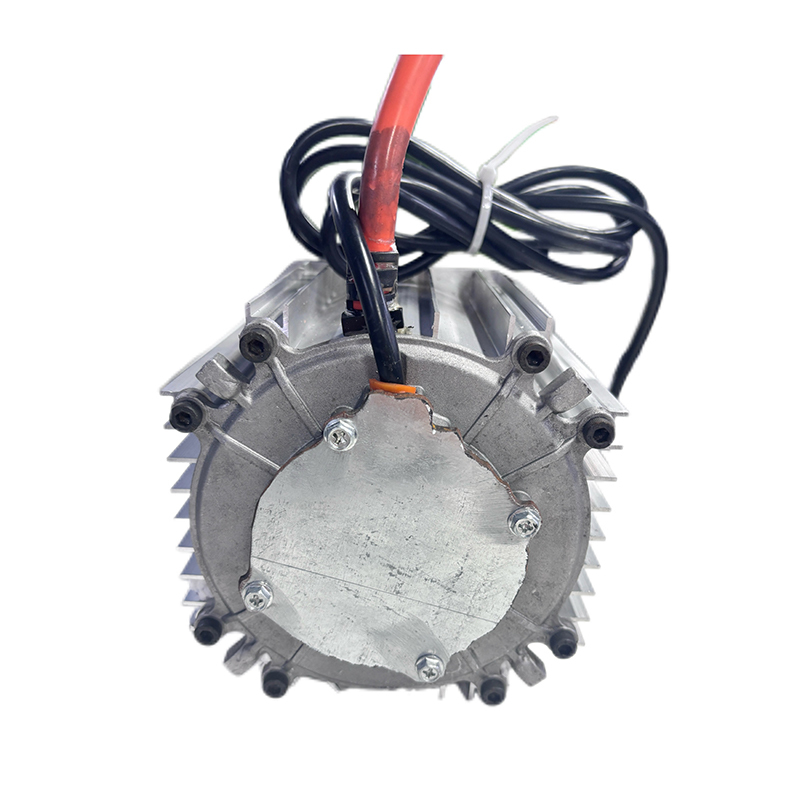
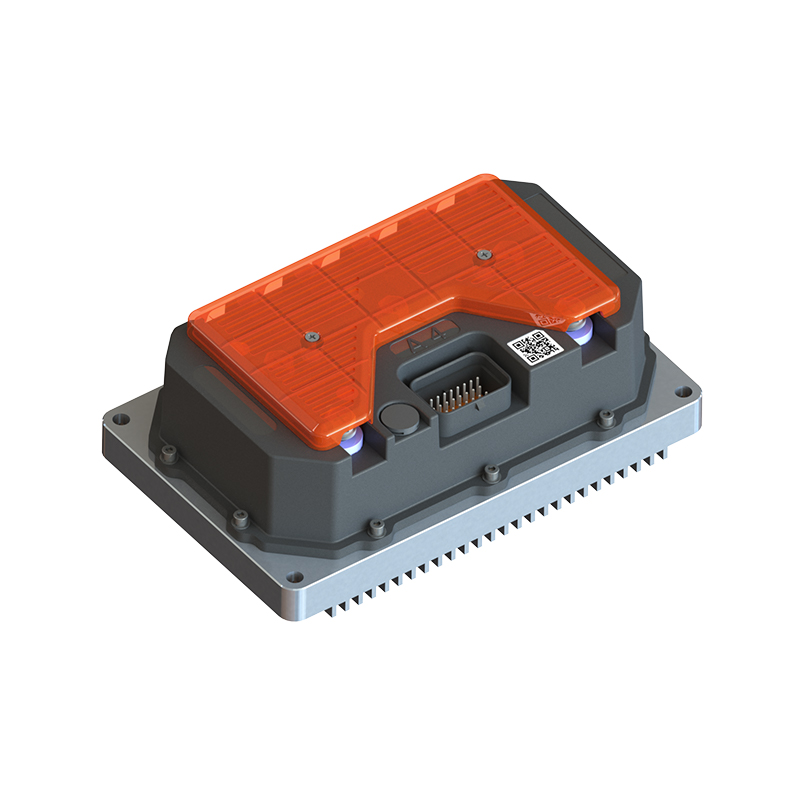

As Custom Permanent Magnet Synchronous Motor Controllers Manufacturers and Permanent Magnet Motor Controllers Suppliers in China, Focusing on the drive control of permanent magnet synchronous motors, we provide a safe and sufficient power source for the electrification of travel vehicles.
- [email protected]
- +86-170 9191 9800
- Room 123A, No. 1000 Ziyue Road, Minhang District, Shanghai, China
Copyright © Shanghai APT Power Technology Co., Ltd.All rights reserved

