 English
 Español
 عربى
عربى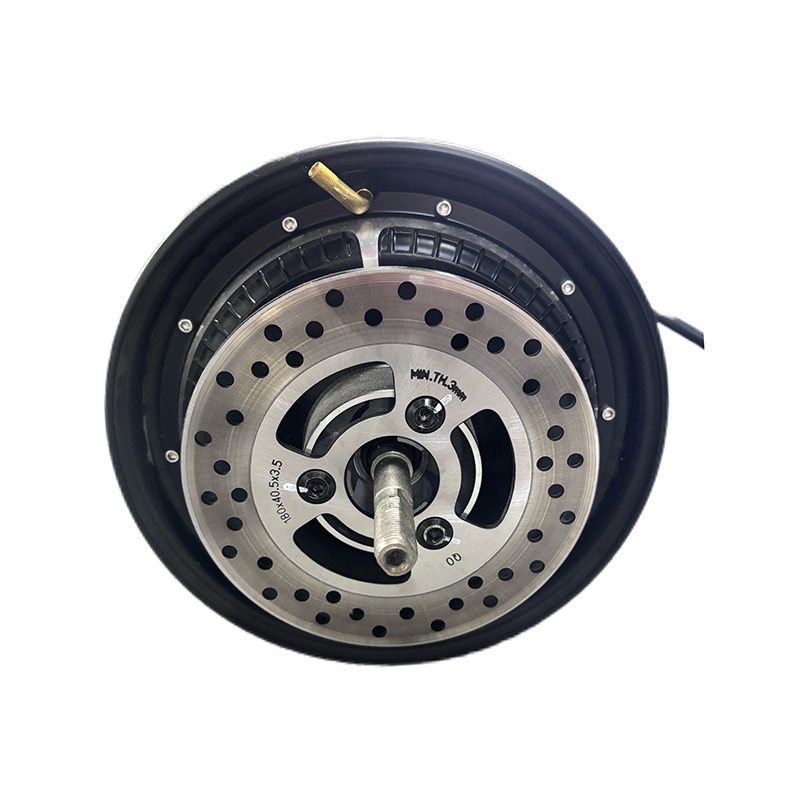
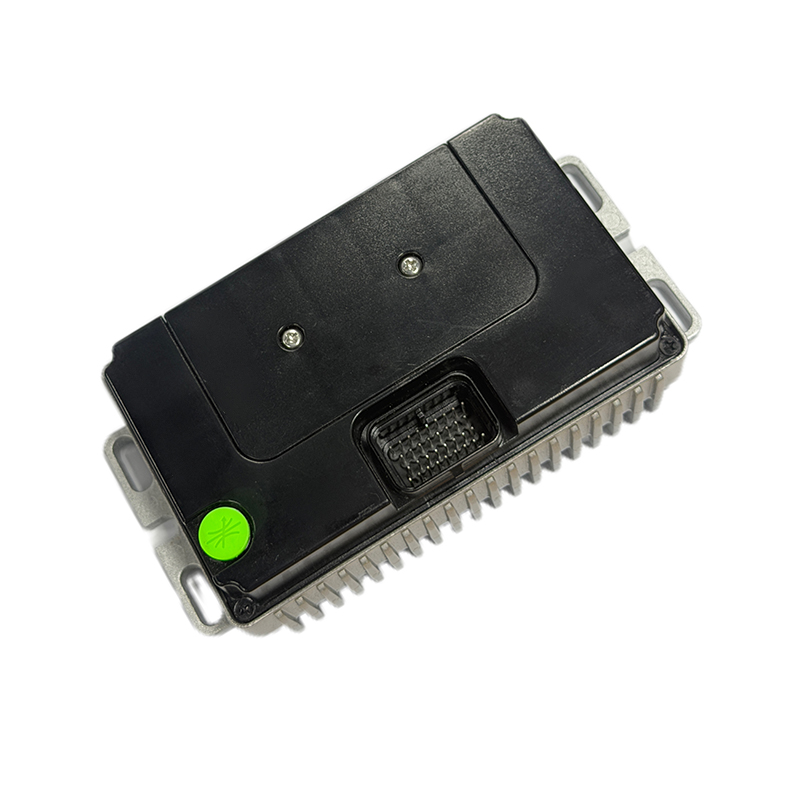
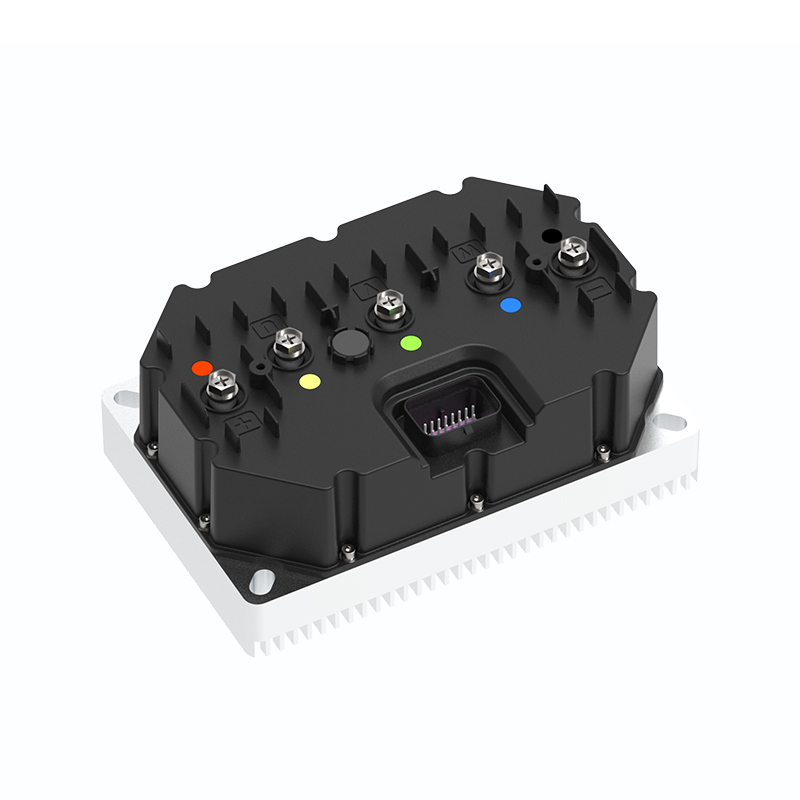
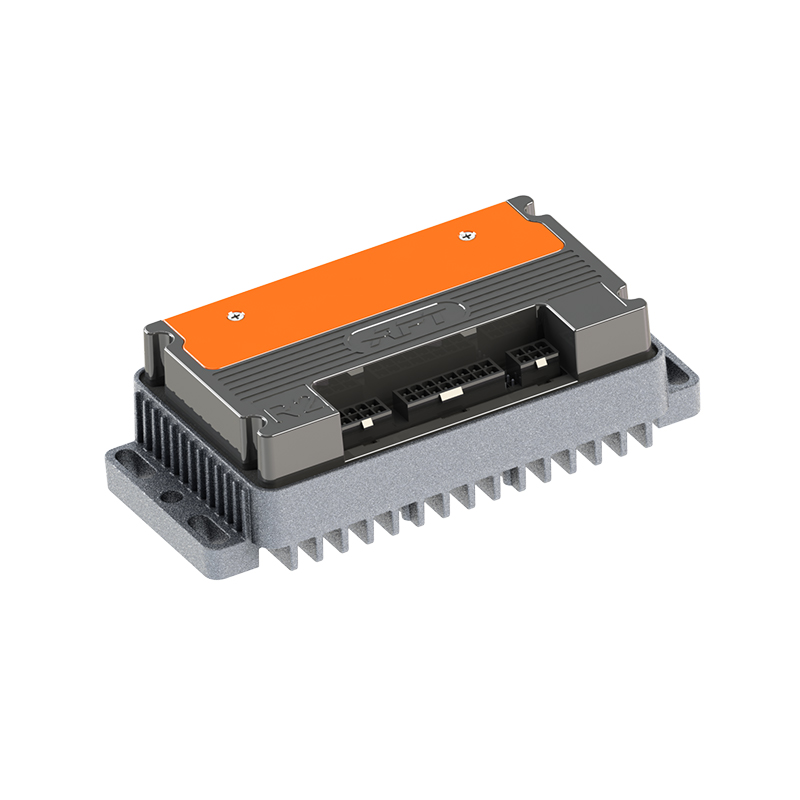
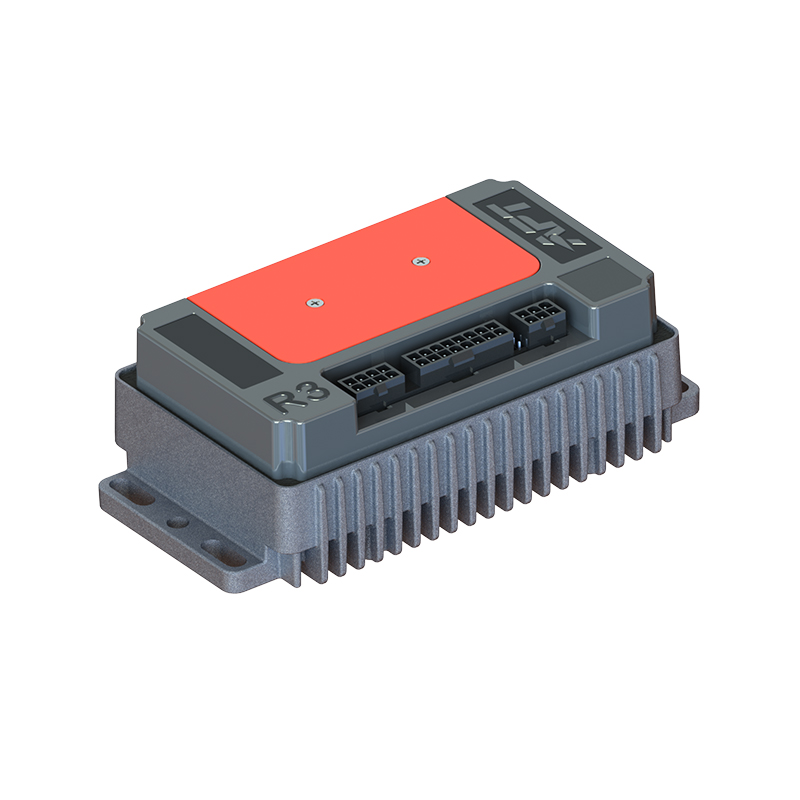
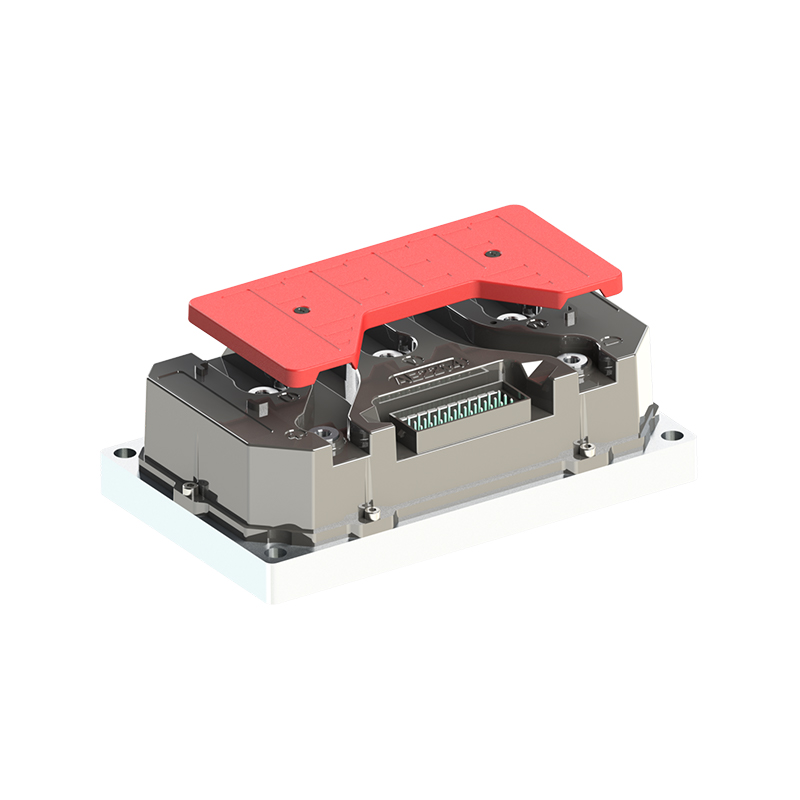
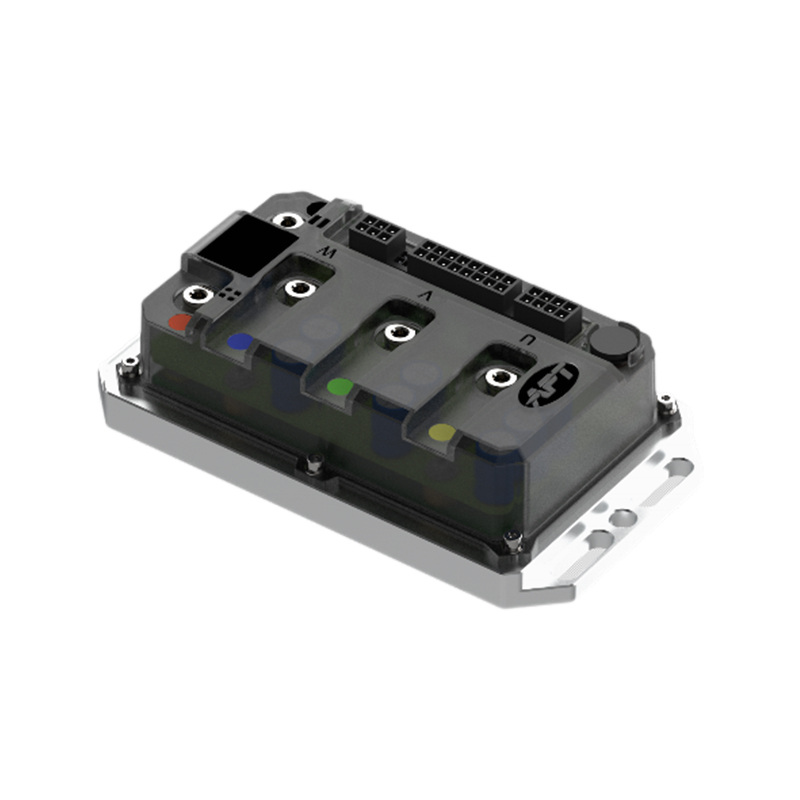
Two electric motorcycle prototypes arrived at the same test bench with the same 10-inch hub motor, the same controller firmware and the same battery pack. One crept forward at walking pace with a smooth, controllable pull. The other juddered below 3 km/h and cooked a phase winding after twenty minu...
READ MORE
Mid-drive Motor
B To B business:
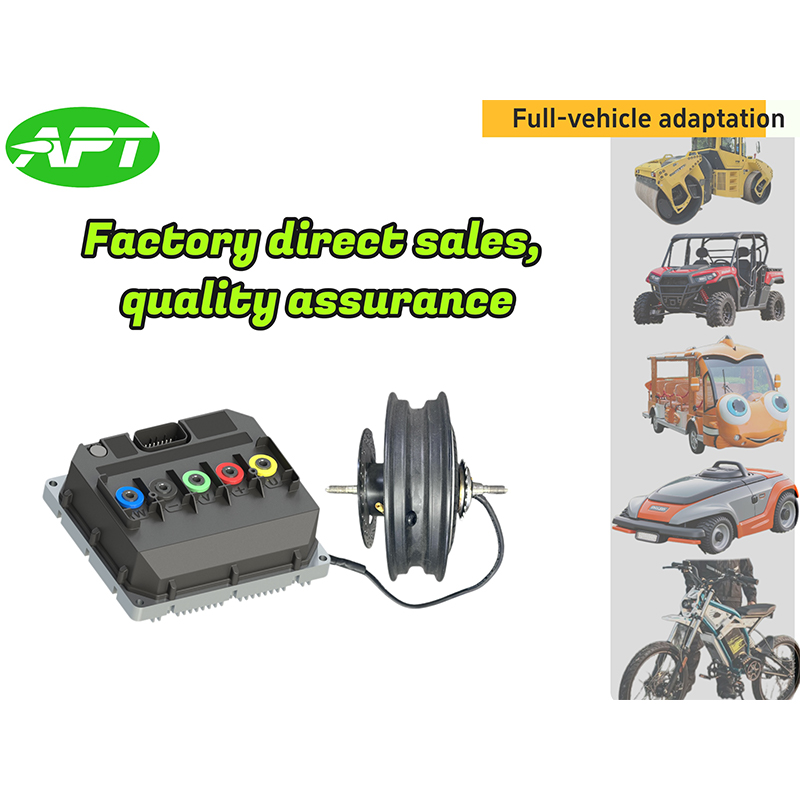
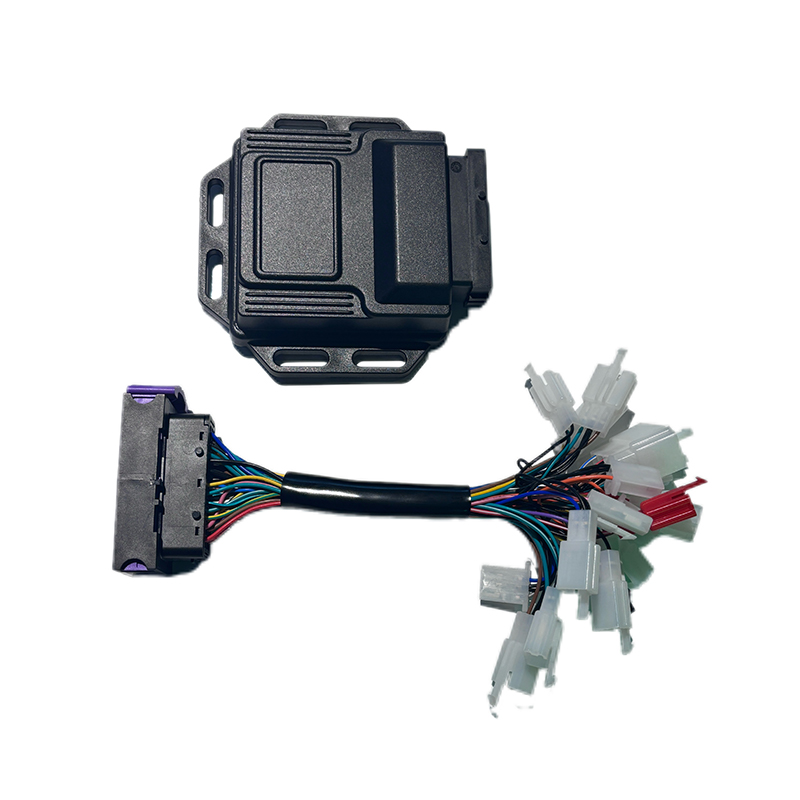
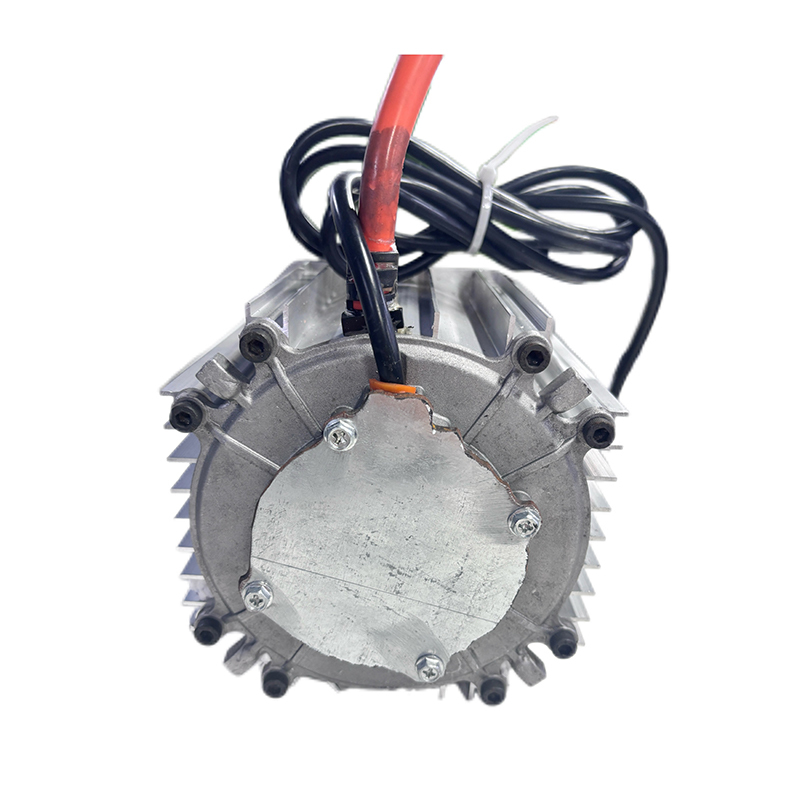
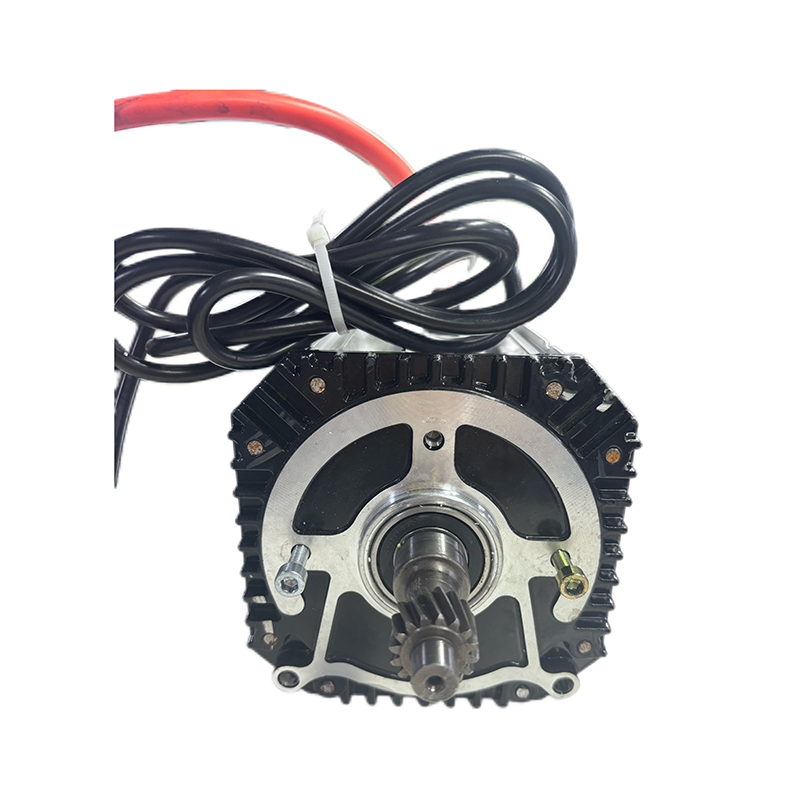
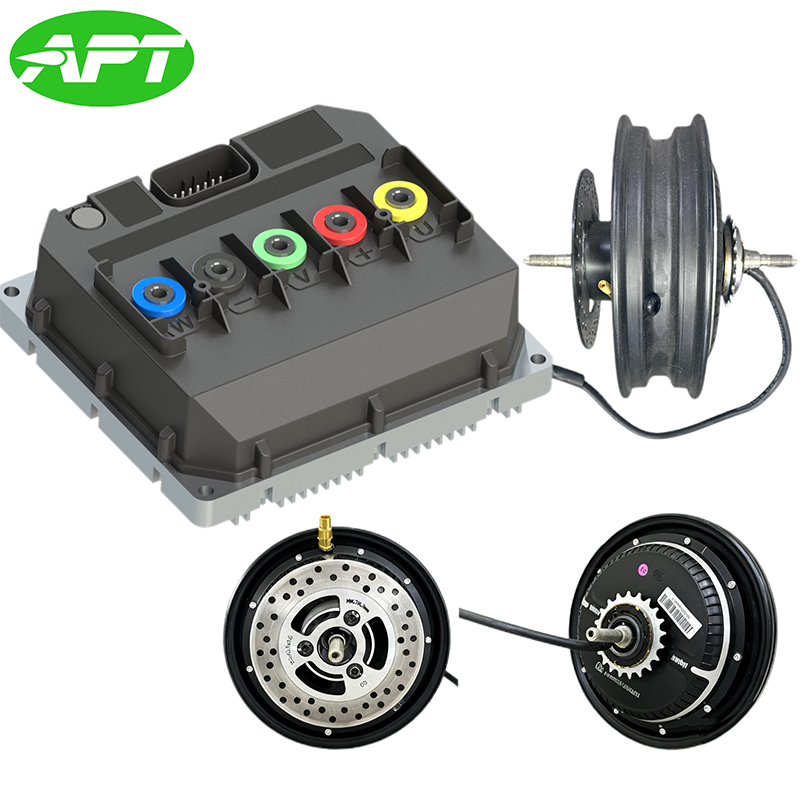
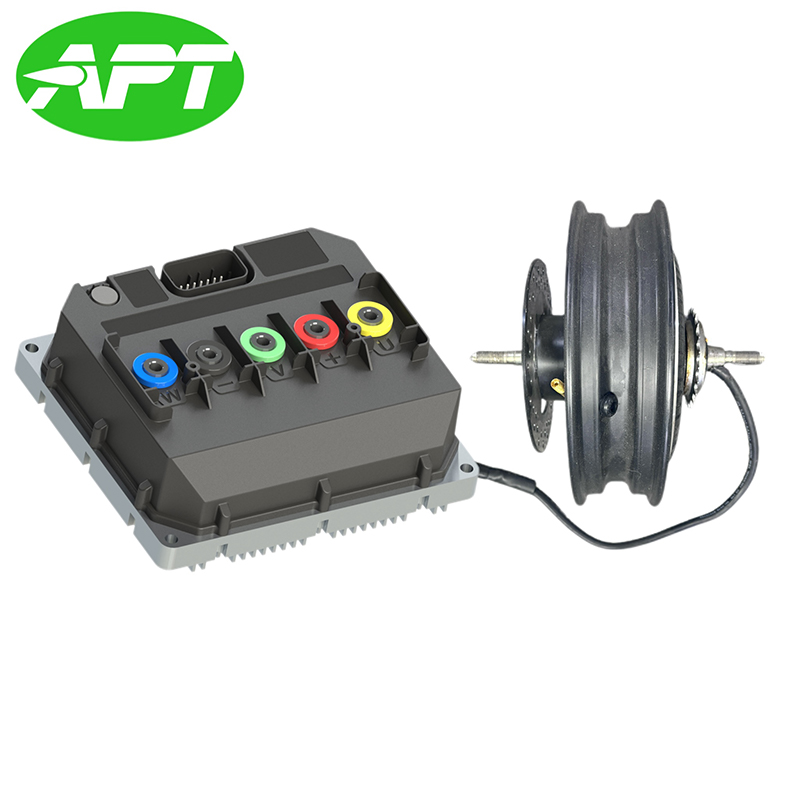
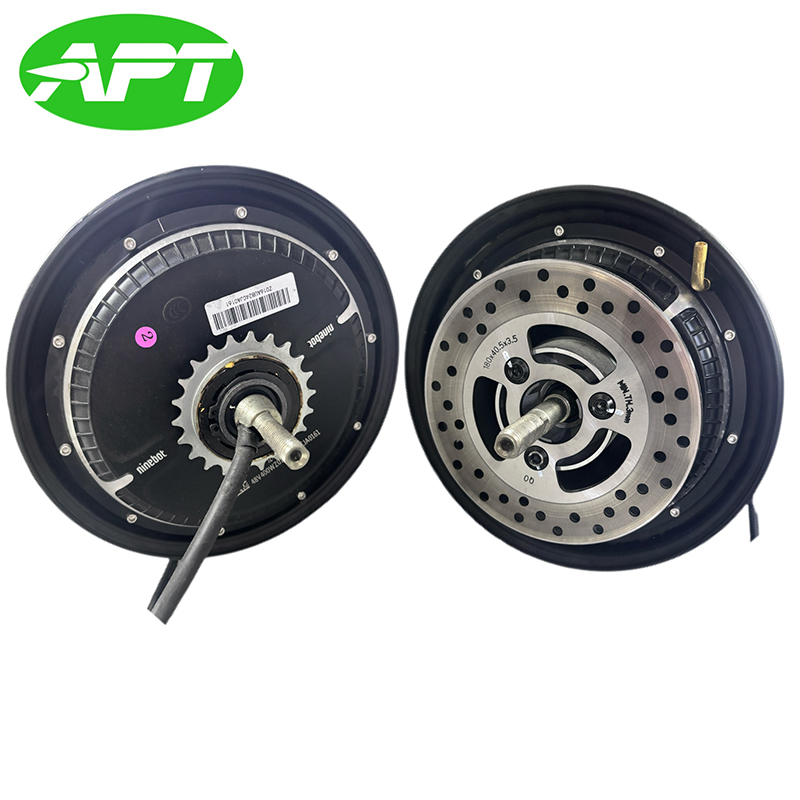
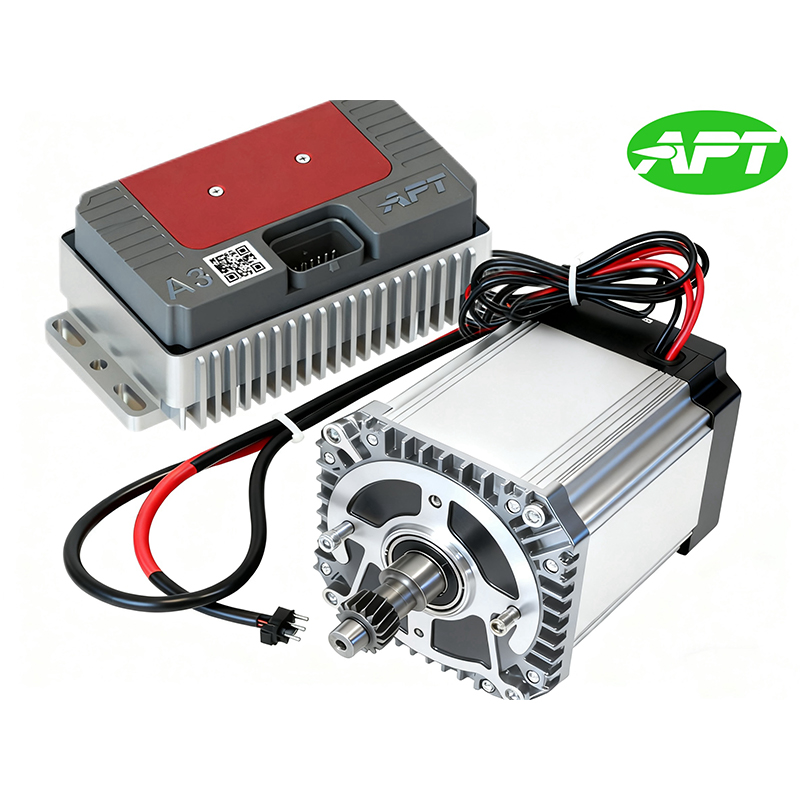
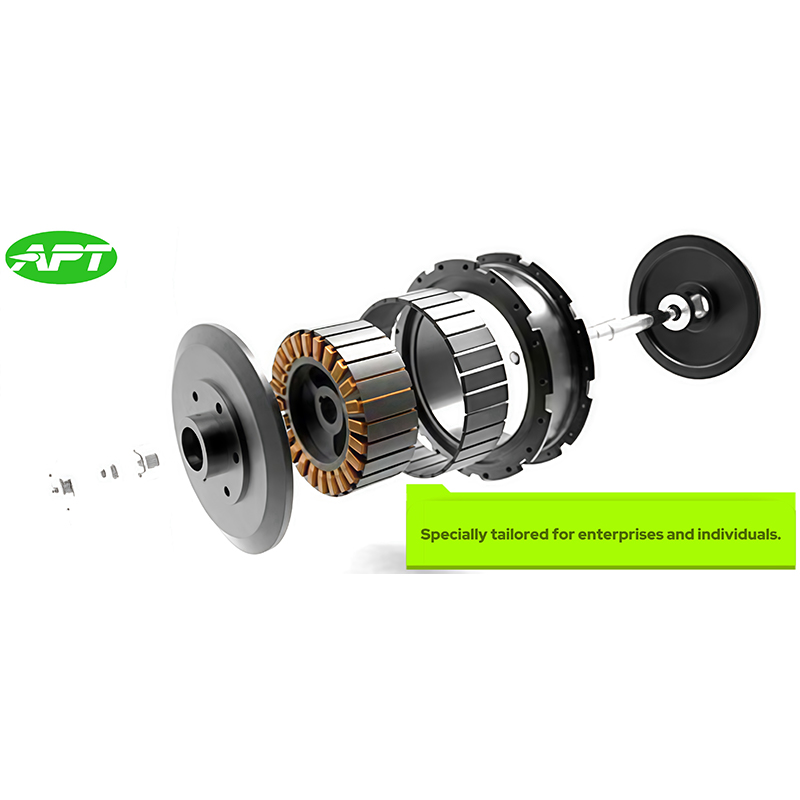
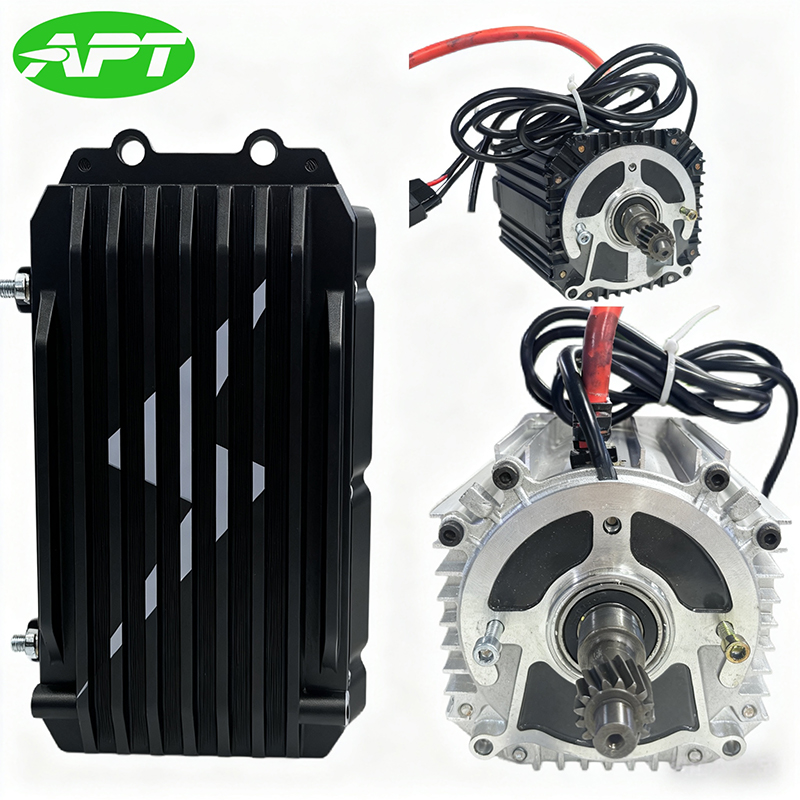
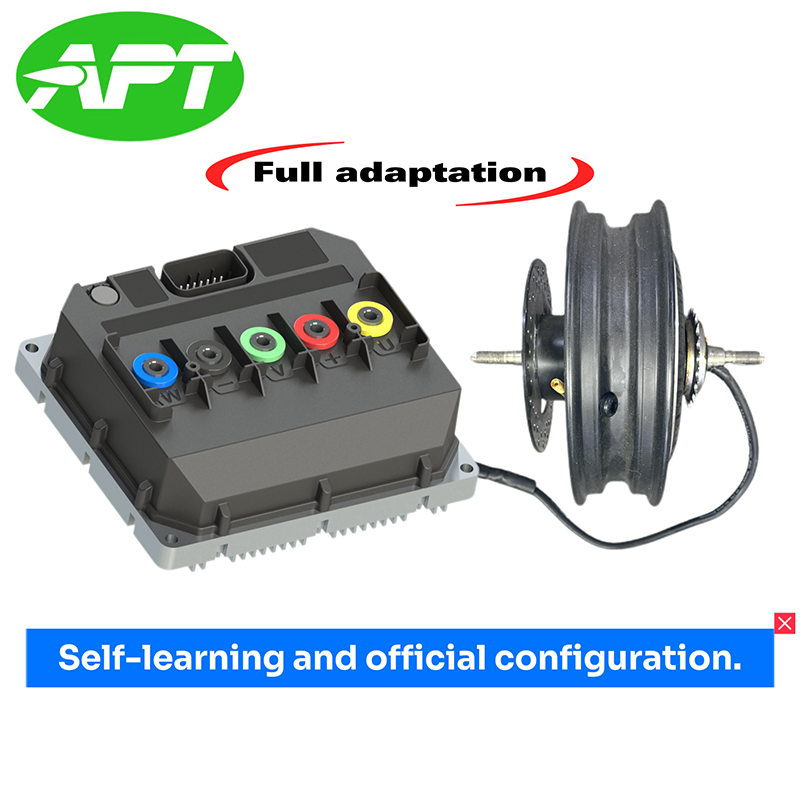
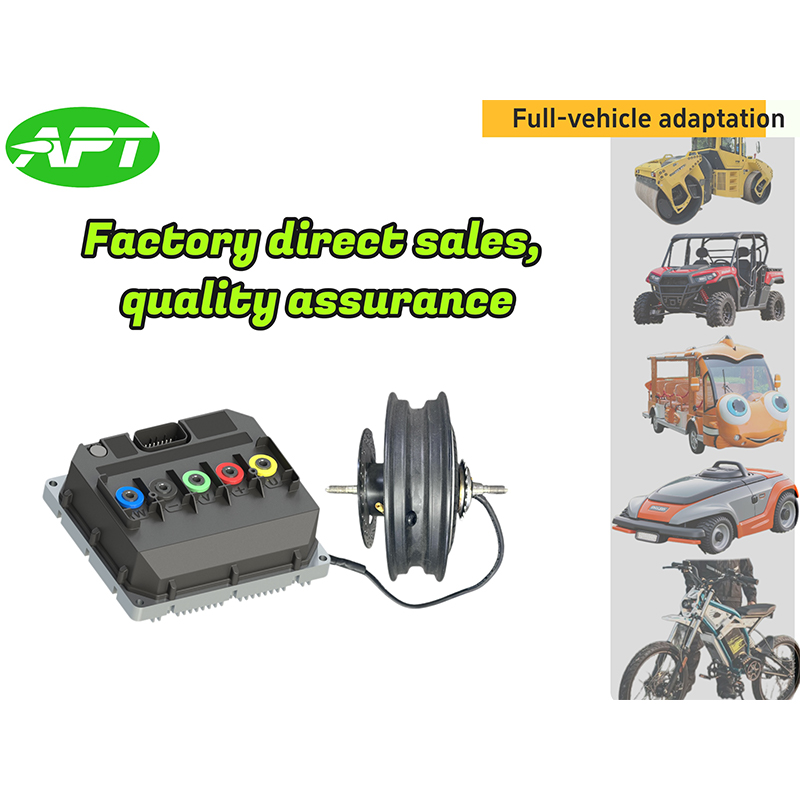
Mid-drive motor products are the high-quality resources accumulated over a long period of time by the company in its customer support services. APT is well aware of the strengths and areas for improvement of various motor brands. In order to provide users with a convenient solution selection, APT often recommends more suitable motor products to customers and packages them together with the controller for sale to customers. They also provide after-sales services for this product to prevent the situation where problems cannot be quickly traced to their root causes when system issues occur.
Technical Parameters
Application&Features
Contact us
| BtoB Product Pairing | ||
 |
 |
 |
 |
 |
 |
 |
 |
 |
 |
 |
 |
 |
 |
- Individual buyers
- Corporate Procurement
By pressing the "Send" button, you confirm that you give the company your consent for processing your personal data.
Mid-Drive Electric Motors Suppliers
Building on its long-accumulated core motor drive technologies and unique experience in high-power MOSFET parallel connection, Shanghai APT Power Technology Co., Ltd. focuses on providing high-end customers in the industry with core hardware, embedded software for motor drive products, and supporting technical services. Mid-Drive Electric Motors Suppliers in China. Guided by the business philosophy of enhancing the core value of end products, it lays out long-term development strategies to assist customers in their brand growth initiatives.
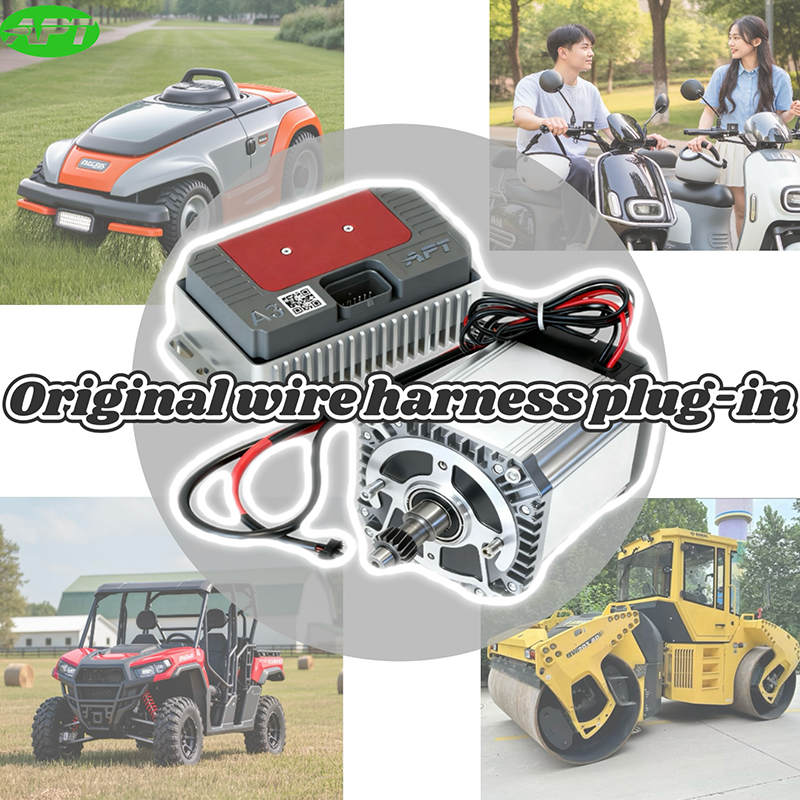
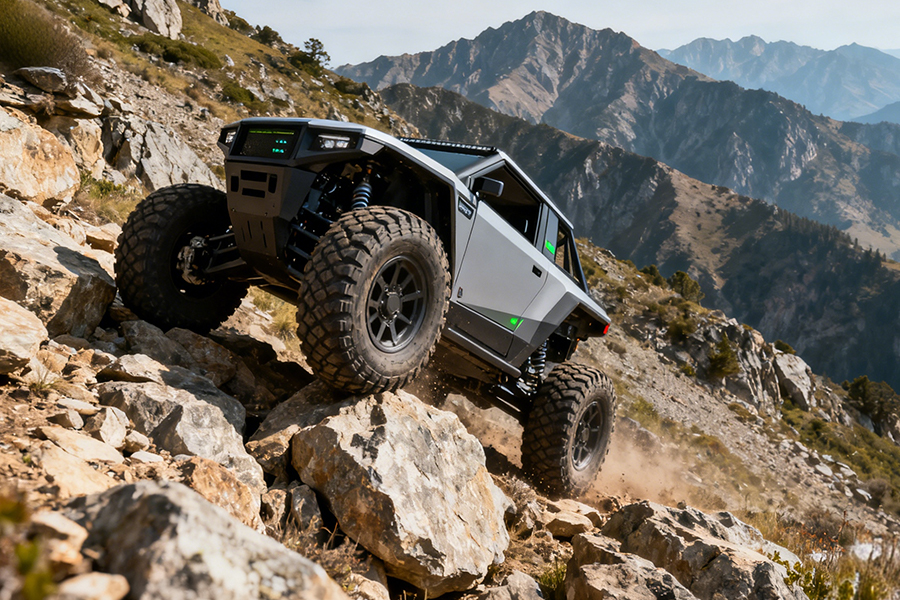
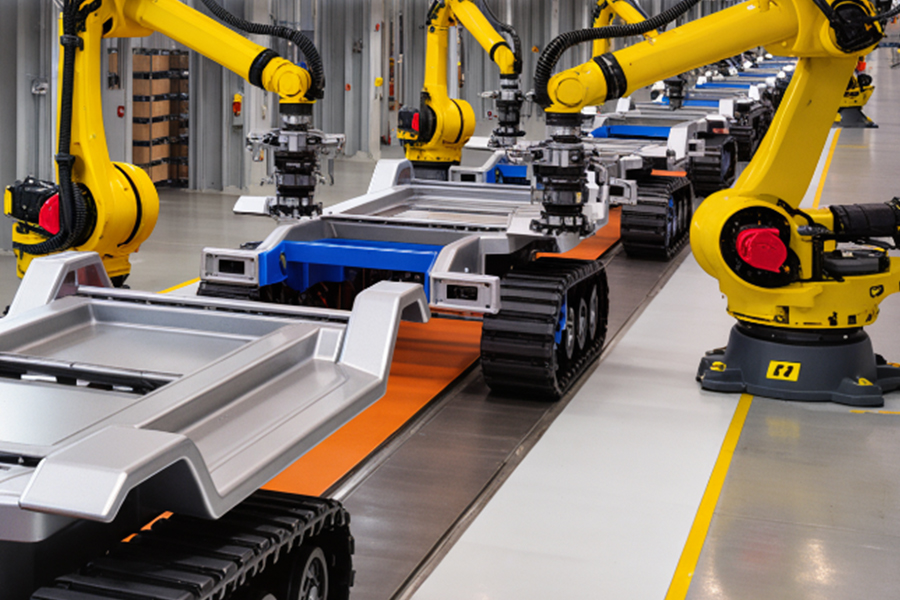
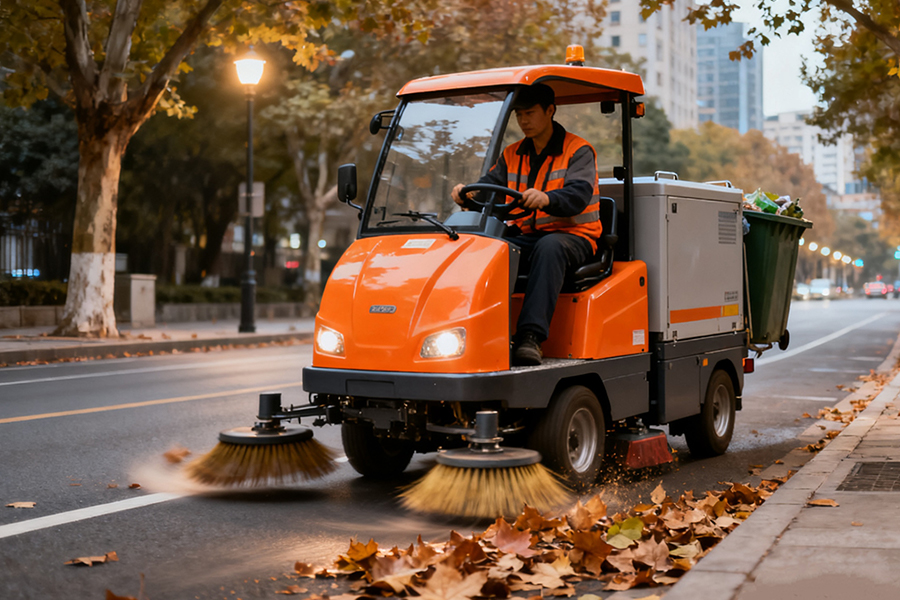
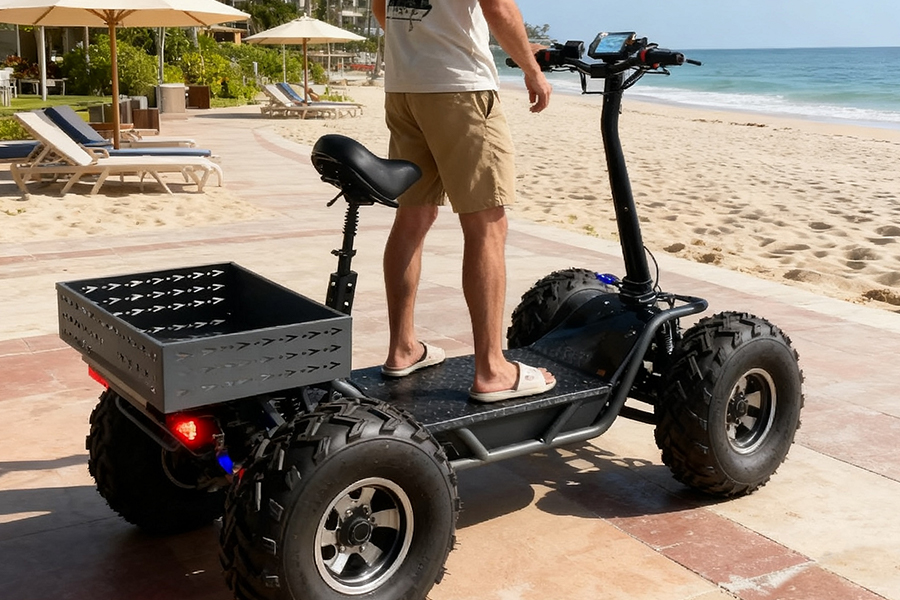
Over the years, the company has continuously launched high-performance drive control products across various voltage levels, covering application scenarios such as electric motorcycles, electric robot chassis, electric ATVs, UTVs, and electric outboard motors. Wholesale Mid Drive Bike Motors Factory. Leveraging mature and reliable product applications, it adheres to better technical solutions and high-quality hardware materials, expanding the market reputation of major complete machine manufacturers by improving user experience.
In the future, the company will continue to deepen its expertise in motor drive technology and focus on fields requiring high quality and reliability. It is committed to becoming a brand benchmark in the motor drive niche industry and creating greater value for various outstanding brands in the new energy power track.
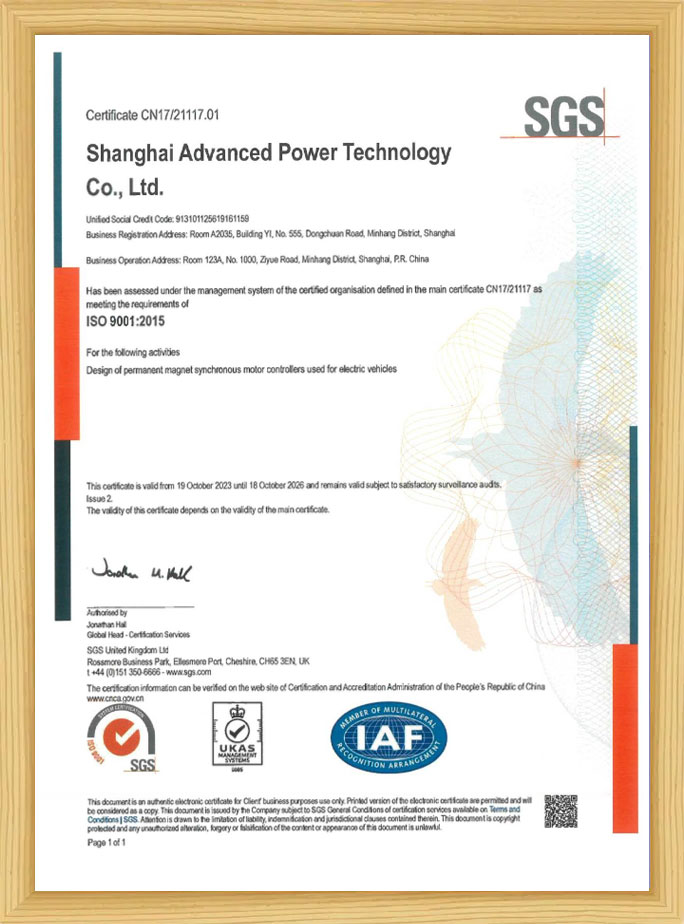
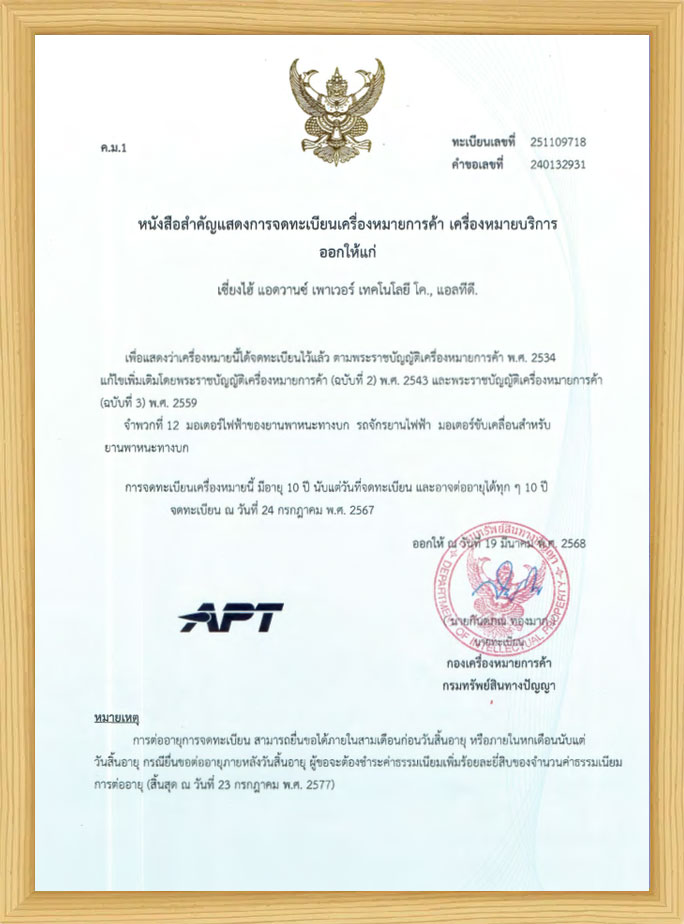
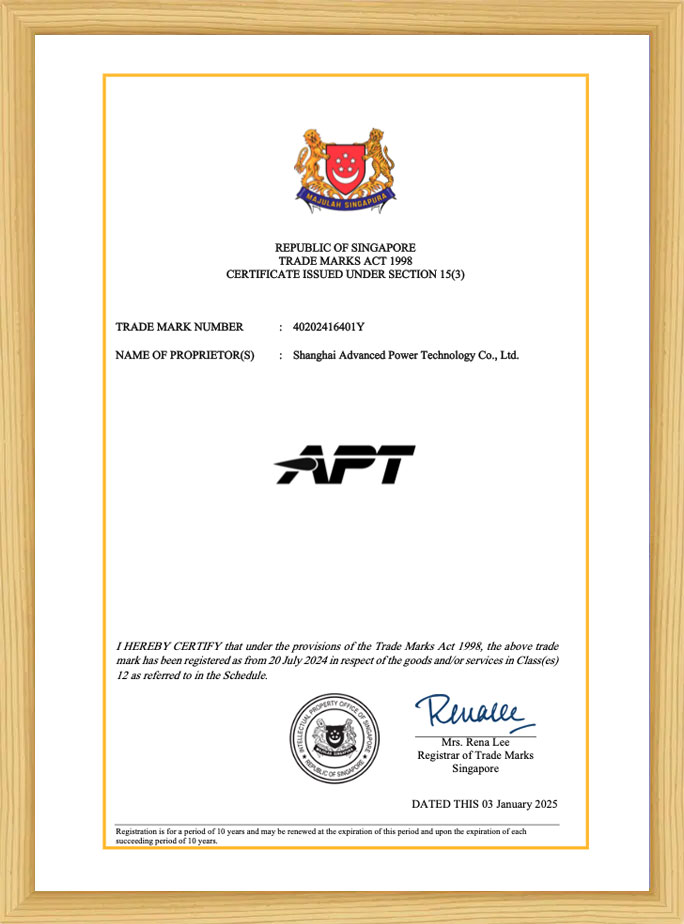
Certificate
News
-
-
A 48 V battery pack delivers one fixed DC voltage. A motor on an electric scooter still has to hold roughly 3,200 rpm on a flat road, drop to about 280 rpm on a 12 percent grade, and reverse on demand. Something between the battery and the windings has to decide how much current flows, in which dir...
READ MORE -
An electric motorcycle running at full throttle reaches its rated speed, and the throttle suddenly feels dead. The motor can still spin faster, but the controller stops delivering more current. To push beyond that point, the controller must deliberately weaken the magnetic field inside the motor. T...
READ MORE
Industry knowledge
Mid Drive Electric Motors: Advantages and Applications
Mid drive motors have gained significant popularity in the electric bike market due to their unique ability to provide efficient power transfer directly to the bike's drivetrain. Shanghai APT Power Technology Co., Ltd., founded in 2010, specializes in providing high-performance motor controllers for permanent magnet synchronous motors, a technology often used in mid drive systems for electric bikes. The company’s expertise allows it to contribute to the rapid growth of the electric mobility sector, particularly in electric bike solutions. This section delves into the advantages of mid drive motors and their growing application in various forms of electric mobility.
Advantages of Mid Drive Electric Motors
Mid drive electric motors are known for their ability to offer superior performance compared to hub motors, especially in terms of handling and overall efficiency. Some of the key advantages include:
- Efficient Power Transfer: By being positioned at the bike's center, mid drive motors provide a direct connection to the bike's gears, optimizing efficiency and performance across a range of terrains.
- Better Weight Distribution: Placing the motor at the bike's center helps distribute weight evenly, improving balance and overall handling, particularly on hilly terrains or in tight spots.
- Improved Torque Delivery: Mid drive motors provide better torque at higher speeds and under load, making them ideal for off-road and hilly environments.
- Regenerative Braking: Some mid drive systems integrate regenerative braking, enabling energy recovery when slowing down, which improves the overall battery efficiency and extends range.
- Smaller Motor Housing: Mid drive motors are typically more compact than hub motors, leaving more space for a larger battery or additional components.
Challenges and Considerations in Mid Drive Motor Design
While Mid Drive Bike Motors offer a wide range of benefits, designing them to meet the needs of various electric bike applications presents several challenges. Some of the key considerations include:
- Power Efficiency: Mid drive systems need to maintain high power efficiency while keeping the weight and size of the motor compact. Achieving a balance between these factors can be difficult.
- Durability of Gears: Since the motor is directly connected to the bike’s drivetrain, the gears must be designed to withstand higher stresses, particularly in off-road or high-torque conditions.
- Complex Integration: Mid drive motors require more sophisticated integration with the bike’s drivetrain, which can increase manufacturing complexity and cost.
- Maintenance: While mid drive systems offer excellent performance, they may require more regular maintenance than hub motors, as the drivetrain components are more involved in power transfer.
- Motor Cooling: Given that mid drive motors often work harder than hub motors, they require better cooling solutions to avoid overheating, especially during prolonged use or on steep inclines.
Advances in Mid Drive Motor Technology
Advancements in motor technology are continually enhancing the performance of mid drive motors, allowing electric bikes to become more powerful, efficient, and user-friendly. Some of the most recent technological innovations include:
- Integrated Motor Controllers: Many new mid drive systems come with integrated motor controllers, which reduce the complexity of the system and offer more efficient power management and smoother ride quality.
- Advanced Cooling Systems: To prevent overheating during extended rides, mid drive motors are increasingly using liquid cooling systems that improve motor longevity and efficiency.
- Torque and Cadence Sensors: Modern mid drive motors are equipped with sensors that adjust power output based on the rider's pedaling cadence and the terrain. This allows for smoother acceleration and more efficient energy use.
- Customizable Power Settings: Advanced motor controllers enable users to customize the level of assistance from the motor, providing a more personalized riding experience based on the rider's needs and preferences.
Applications of Mid Drive Motors in Electric Bikes
Mid drive motors are increasingly being adopted in a wide range of electric bike applications due to their performance advantages. The integration of these motors is especially beneficial in the following areas:
Mountain Bikes
Mid drive motors excel in mountain bikes because they provide superior torque and better handling on rough, uneven terrains. The direct connection between the motor and the bike’s drivetrain ensures that the rider has a consistent level of assistance, regardless of the terrain’s incline.
Commuter and Urban Bikes
For city commuting, mid drive motors are becoming increasingly popular because they offer better integration with the bike’s gears and provide efficient power delivery even when riding on hilly urban streets. Their ability to assist in both acceleration and hill climbing makes them ideal for mixed-use commuting.
Cargo Bikes
Mid drive motors are particularly well-suited for cargo bikes due to their ability to handle heavy loads. The enhanced torque delivery of mid drive motors makes transporting goods easier, even in challenging conditions like uphill slopes or rough roads.
The Future of Mid Drive Electric Motors
As electric bike technology continues to evolve, mid drive motors are expected to play a critical role in the development of more powerful, efficient, and user-friendly e-mobility solutions. Future trends in mid drive electric motor technology include:
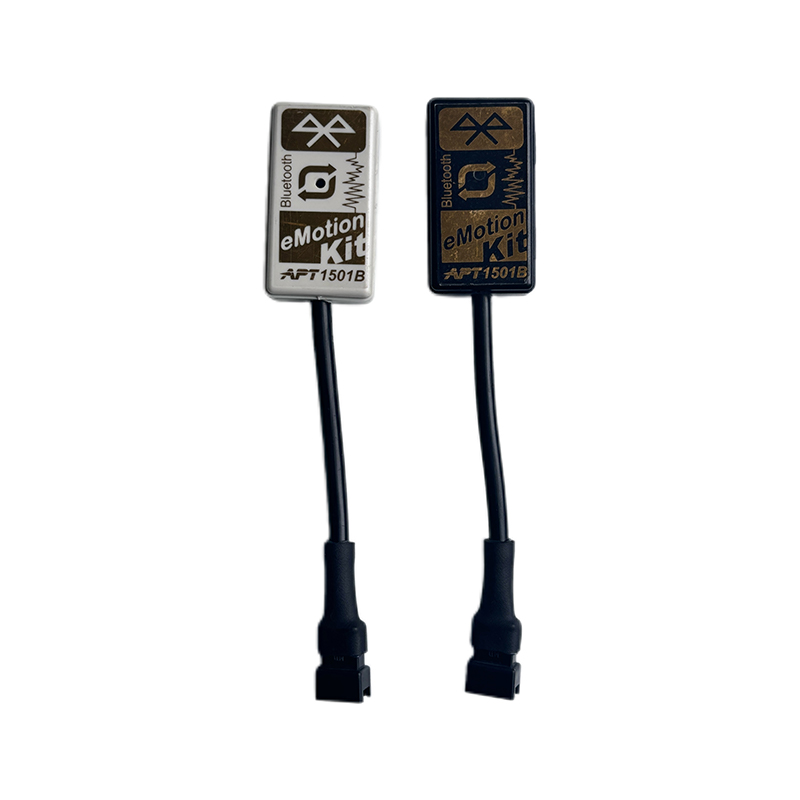
- Increased Integration with Smart Technologies: Future mid drive systems will integrate more advanced smart technologies, such as app-based control and tracking, enabling users to monitor motor performance and customize settings in real-time.
- Further Miniaturization: Advancements in materials and design will continue to reduce the size and weight of mid drive motors, making them even more compact and efficient without sacrificing performance.
- Battery and Motor Synergy: Future designs will focus on optimizing the synergy between the motor and battery systems, improving overall system performance and extending battery life through better energy management.
- Advanced Energy Recovery: New systems will focus on enhancing regenerative braking capabilities, allowing for more efficient energy recovery and reducing the overall energy consumption during rides.

Custom Mid-Drive Electric Motors Suppliers, Focusing on the drive control of permanent magnet synchronous motors, we provide a safe and sufficient power source for the electrification of travel vehicles.
NAVIGATION
CONTCAT US
- [email protected]
- +86-170 9191 9800
- Room 123A, No. 1000 Ziyue Road, Minhang District, Shanghai, China
Copyright © Shanghai APT Power Technology Co., Ltd.All rights reserved

Have a project in your mind?
