 English
 Español
 عربى
عربى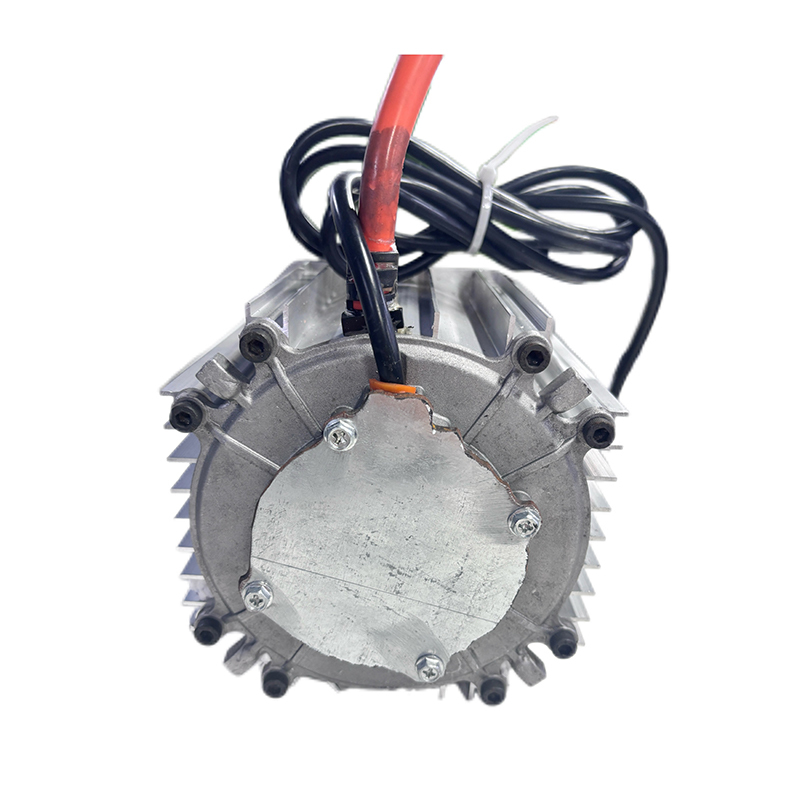
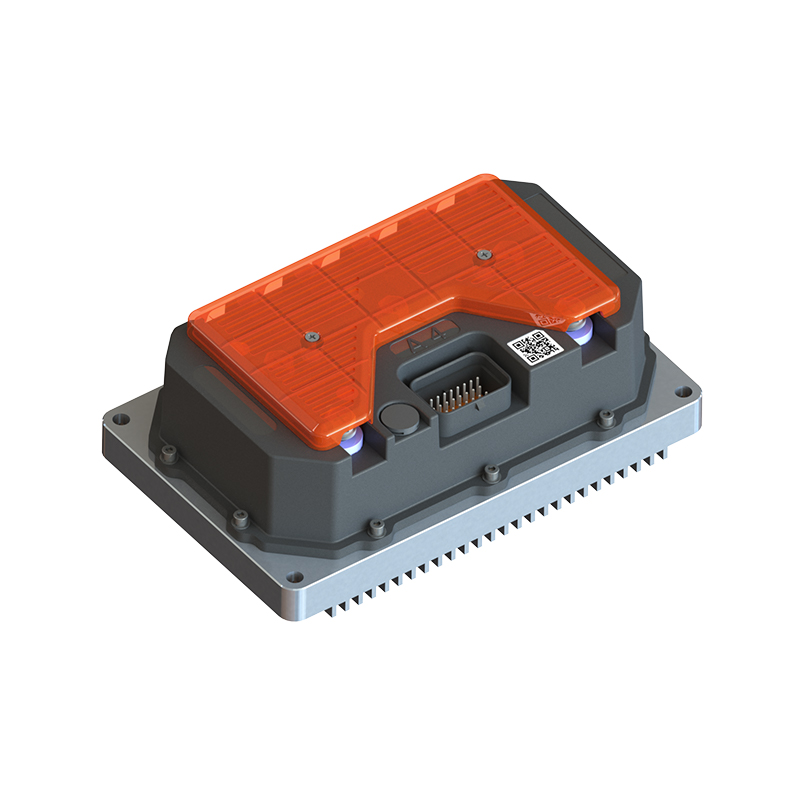
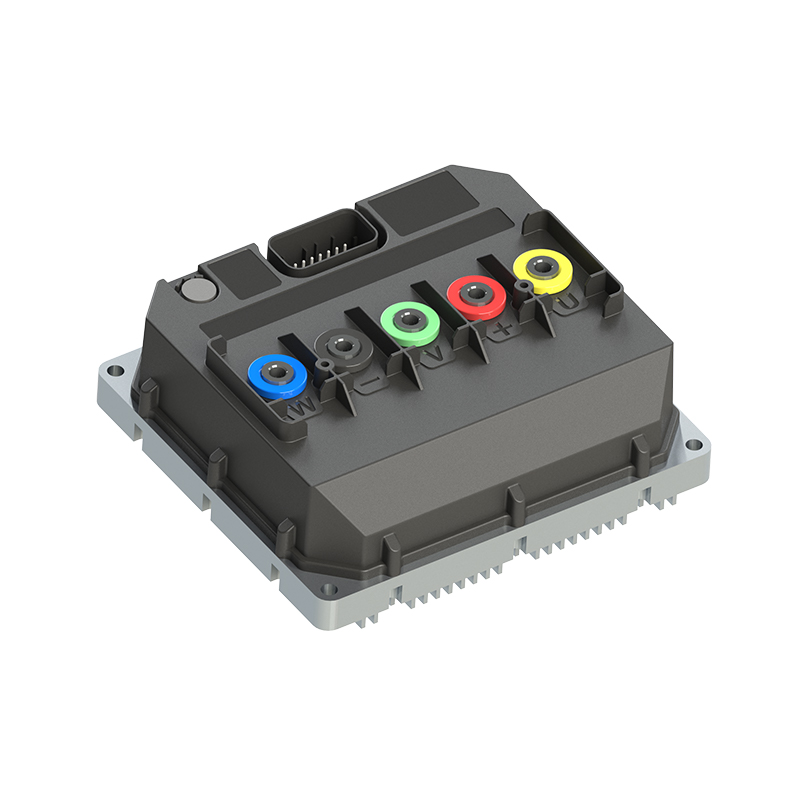
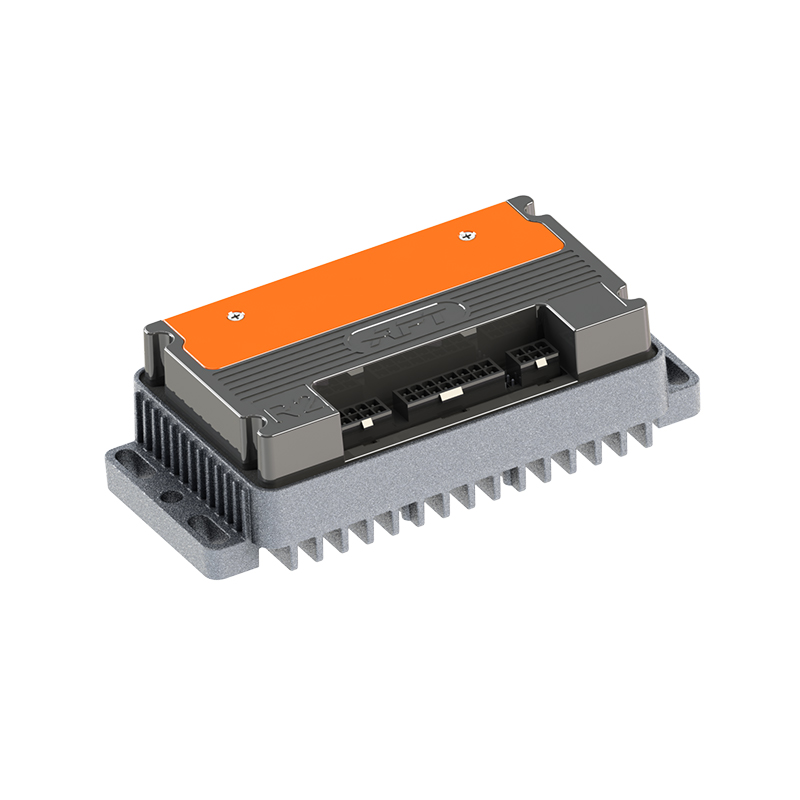
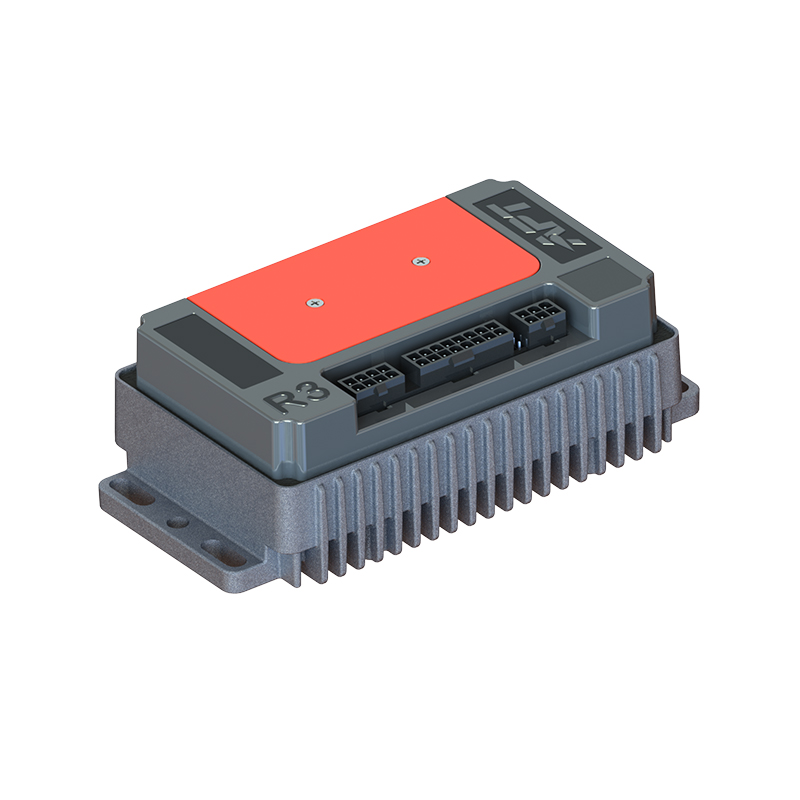
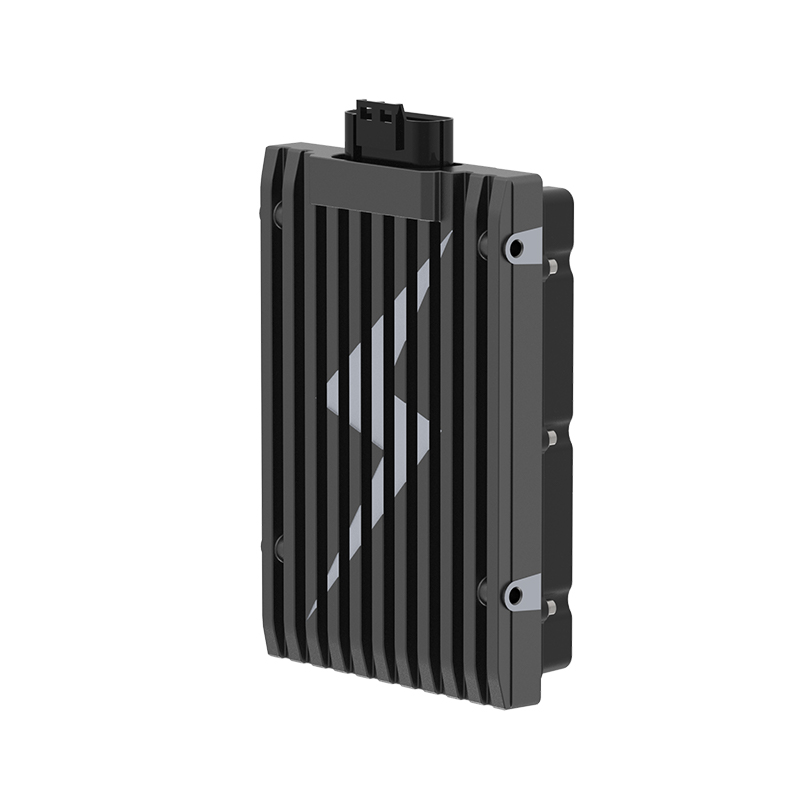
Two electric motorcycle prototypes arrived at the same test bench with the same 10-inch hub motor, the same controller firmware and the same battery pack. One crept forward at walking pace with a smooth, controllable pull. The other juddered below 3 km/h and cooked a phase winding after twenty minu...
READ MORE
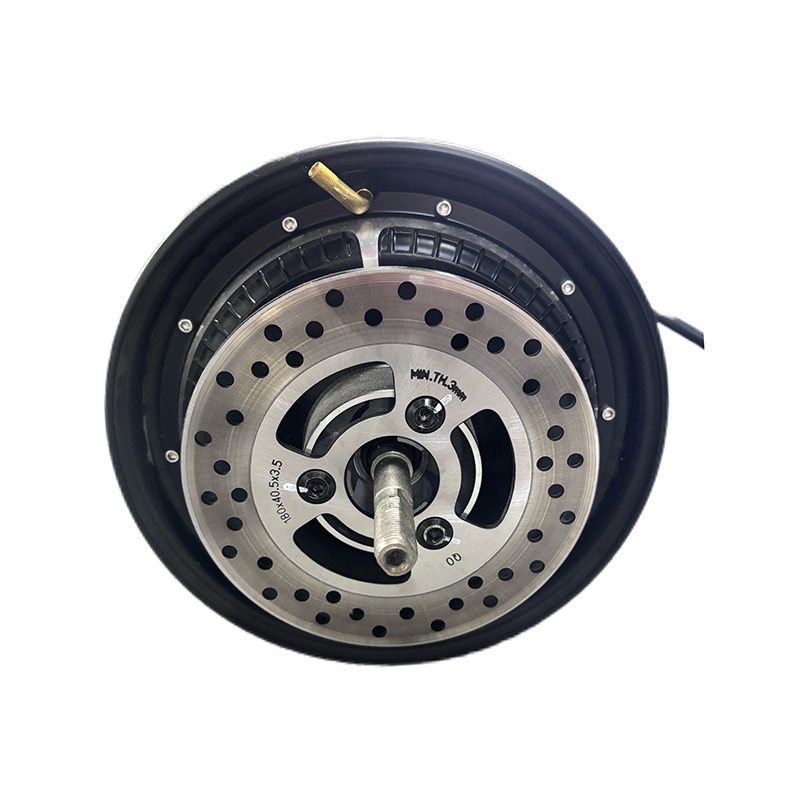
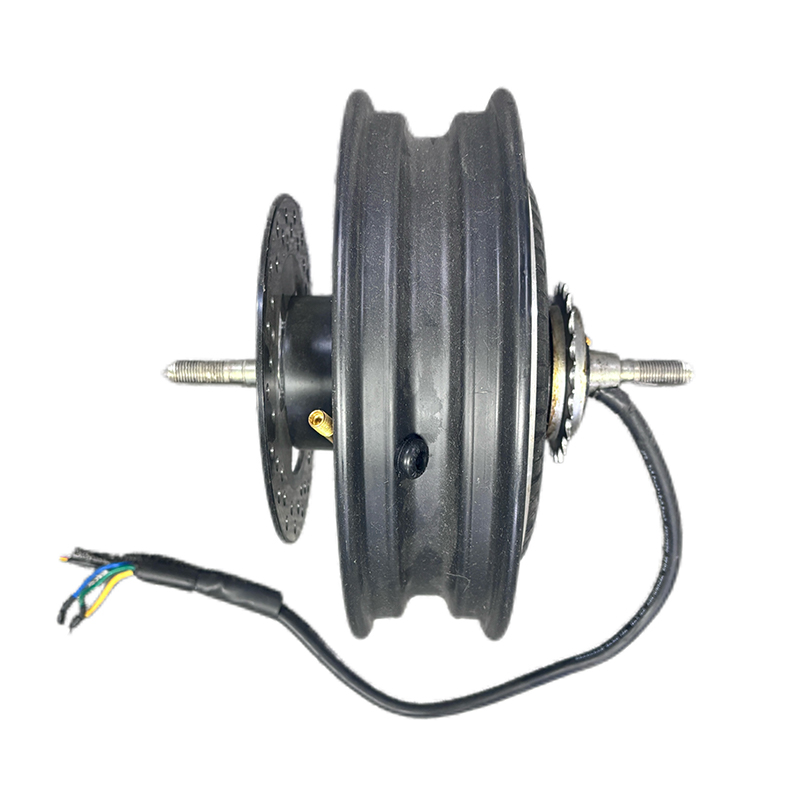
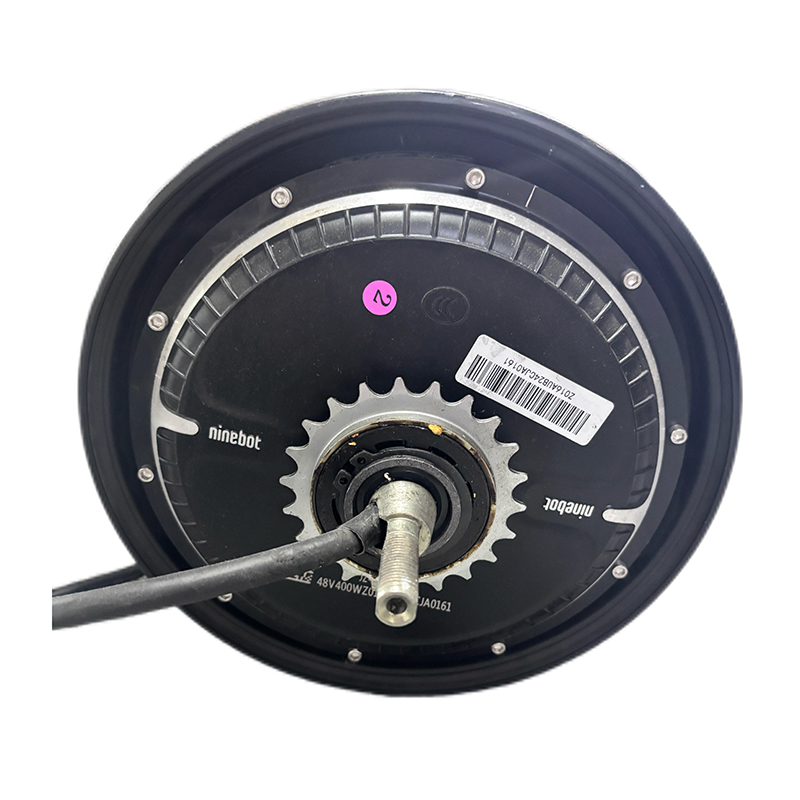
Hub-Motor
B To C business:
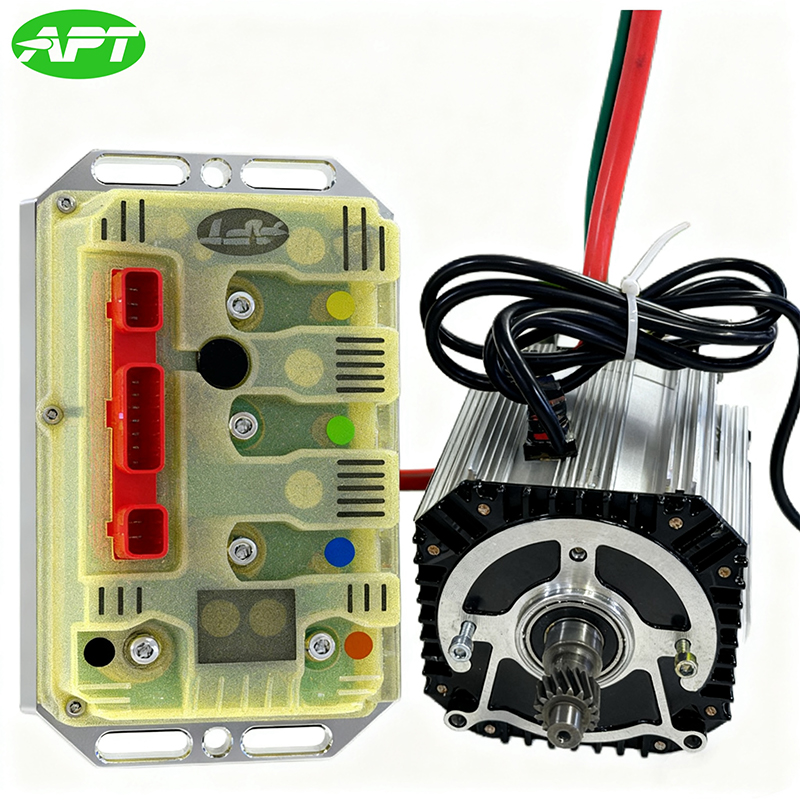
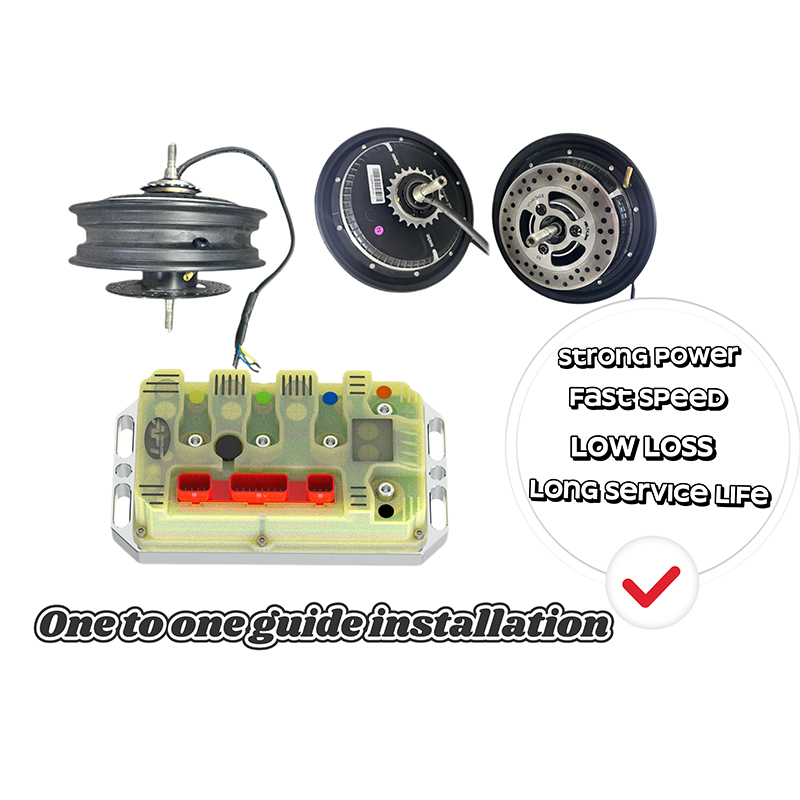
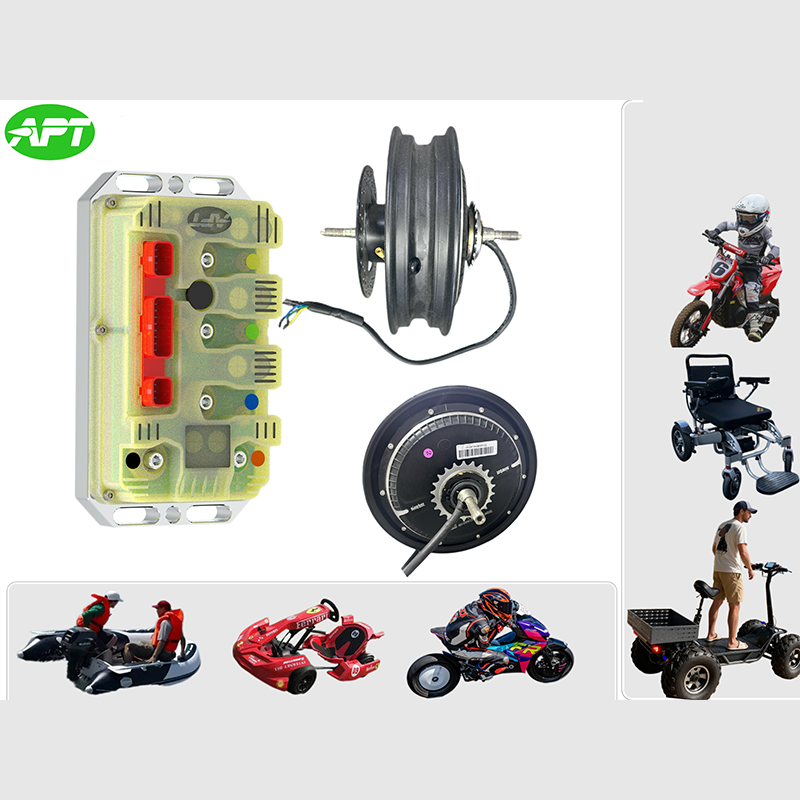
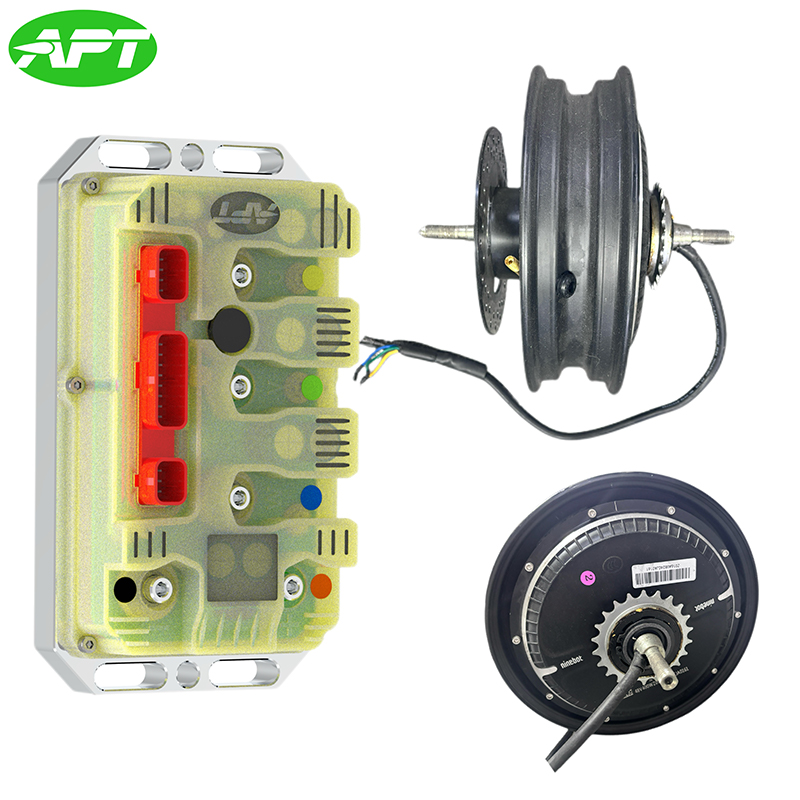
The hub motor is a consumer-level power component introduced by APT, which integrates the drive motor and the wheel hub for design. It is aimed at meeting the mobility needs of daily commuting, short-distance travel, and people with mobility impairments. It is designed to cope with common scenarios such as rainy days and water accumulation. The service system is built around the convenience of end users. Some models also integrate a kinetic energy recovery function to enhance the battery life. At the same time, the installation is low in difficulty, making it convenient for ordinary users to choose or upgrade later.
Technical Parameters
Application&Features
Contact us
| BtoC Product Pairing | ||
 |
 |
 |
 |
||
 |
 |
 |
 |
 |
- Individual buyers
- Corporate Procurement
By pressing the "Send" button, you confirm that you give the company your consent for processing your personal data.
Ebike Hub Motor Suppliers
Building on its long-accumulated core motor drive technologies and unique experience in high-power MOSFET parallel connection, Shanghai APT Power Technology Co., Ltd. focuses on providing high-end customers in the industry with core hardware, embedded software for motor drive products, and supporting technical services. Ebike Hub Motor Suppliers in China. Guided by the business philosophy of enhancing the core value of end products, it lays out long-term development strategies to assist customers in their brand growth initiatives.
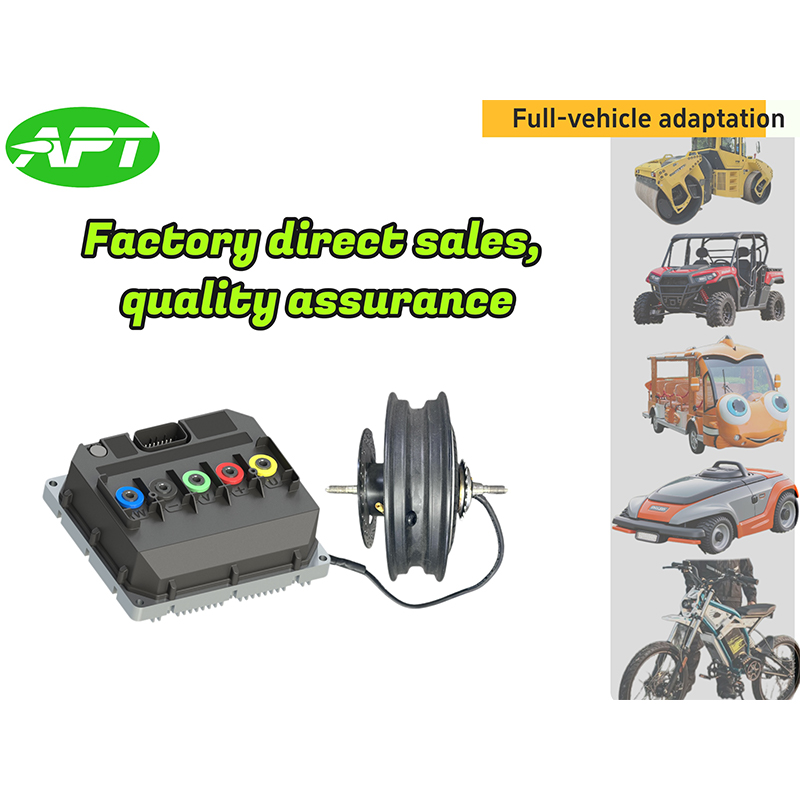
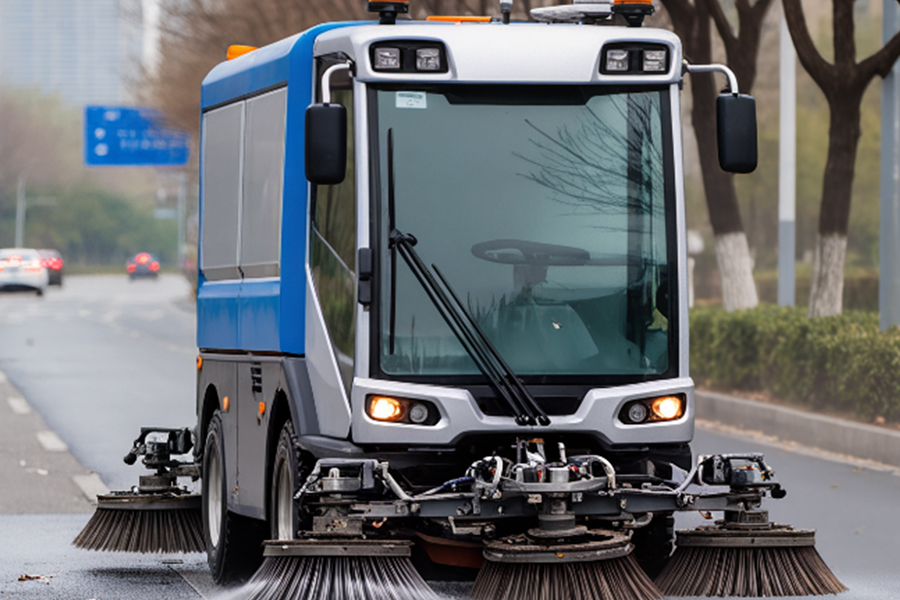
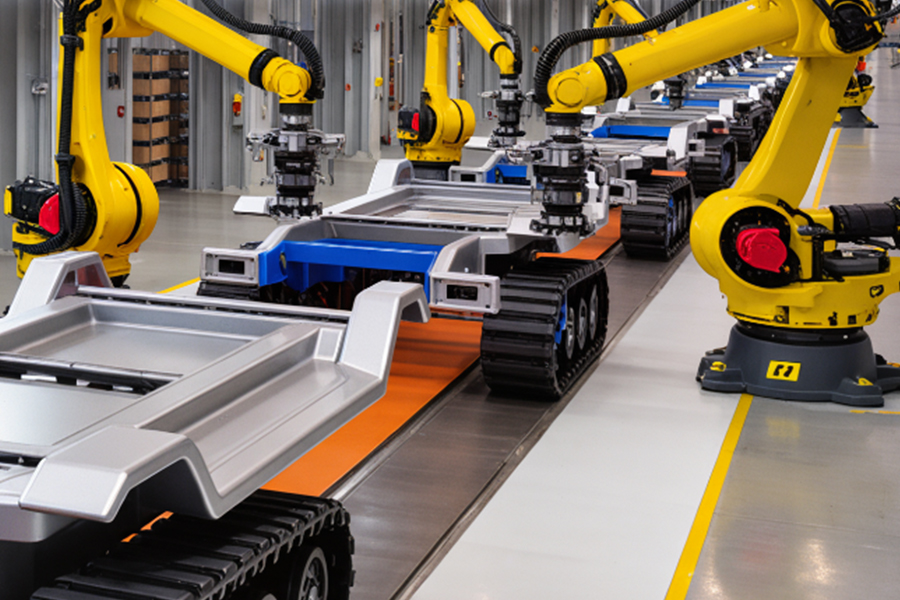
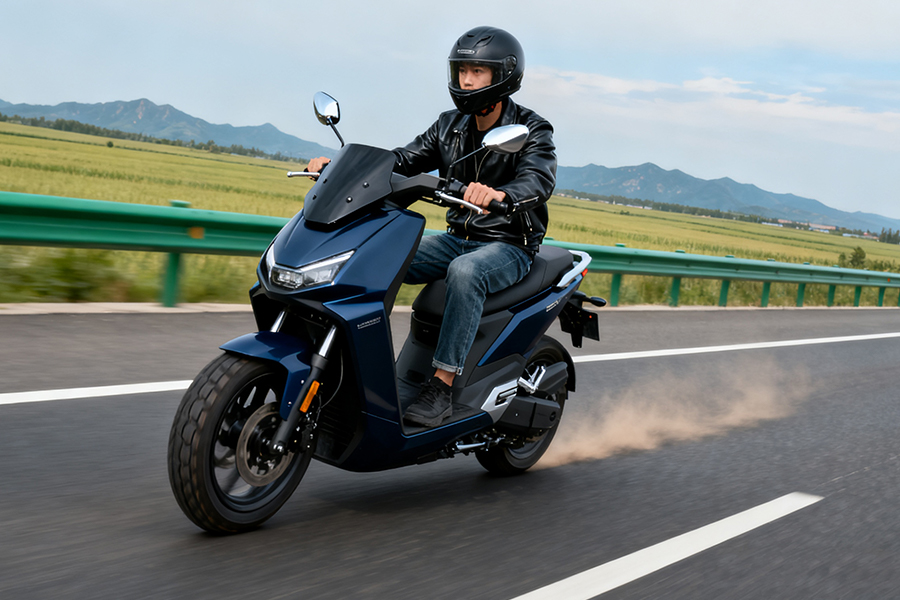
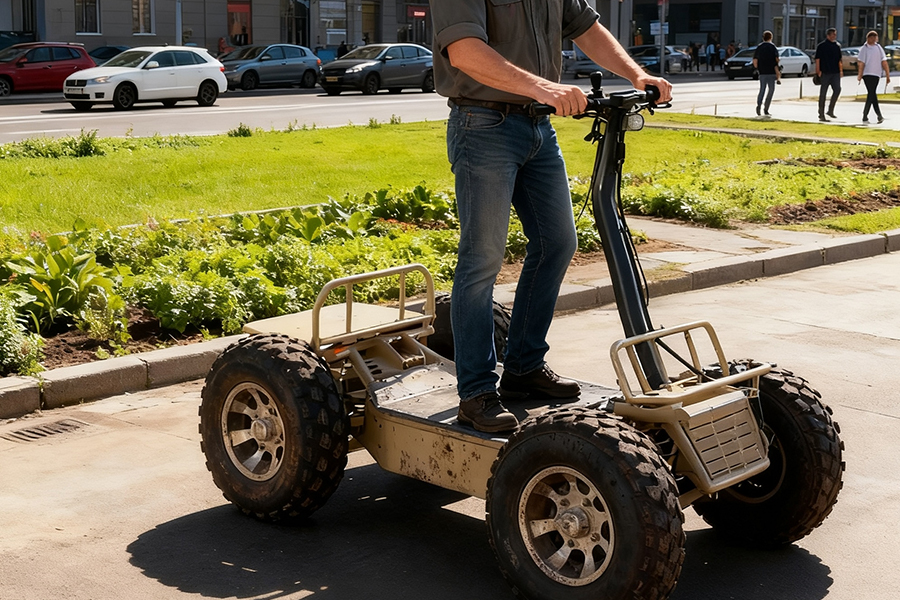
Over the years, the company has continuously launched high-performance drive control products across various voltage levels, covering application scenarios such as electric motorcycles, electric robot chassis, electric ATVs, UTVs, and electric outboard motors. Wholesale Scooter Hub Motor Factory. Leveraging mature and reliable product applications, it adheres to better technical solutions and high-quality hardware materials, expanding the market reputation of major complete machine manufacturers by improving user experience.
In the future, the company will continue to deepen its expertise in motor drive technology and focus on fields requiring high quality and reliability. It is committed to becoming a brand benchmark in the motor drive niche industry and creating greater value for various outstanding brands in the new energy power track.
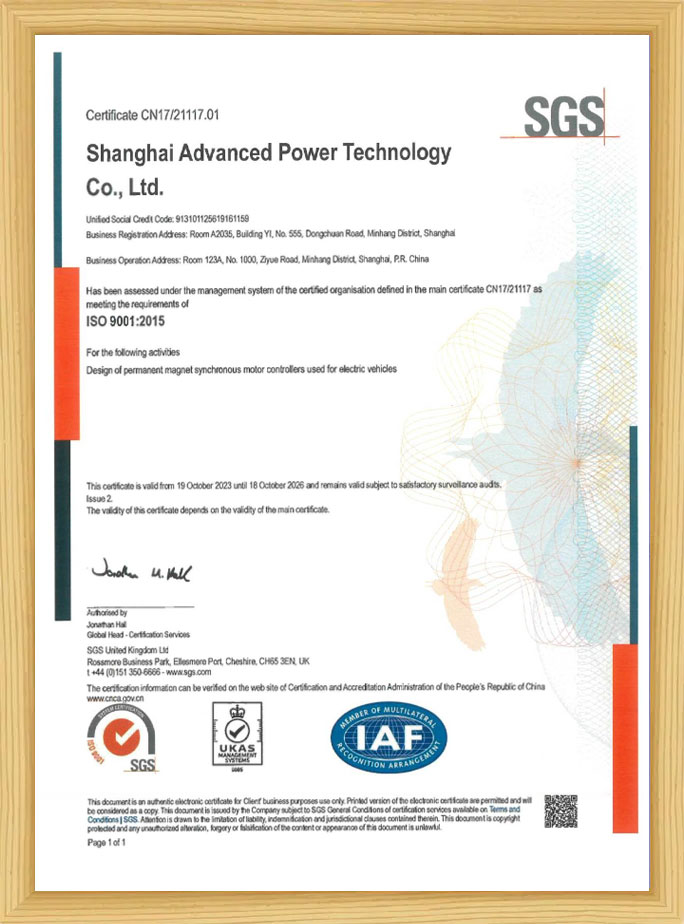
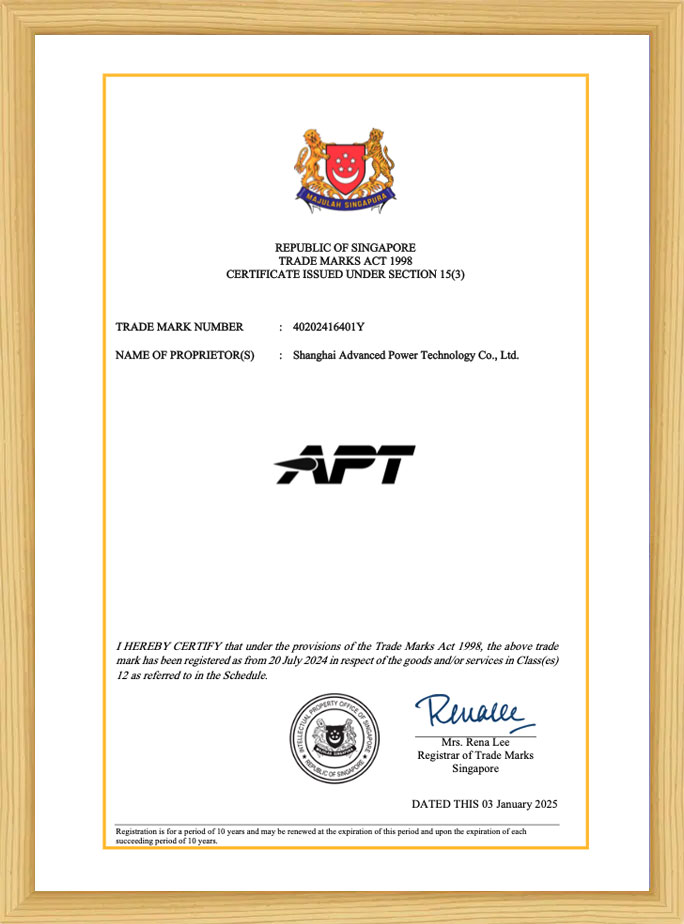
Certificate
News
-
-
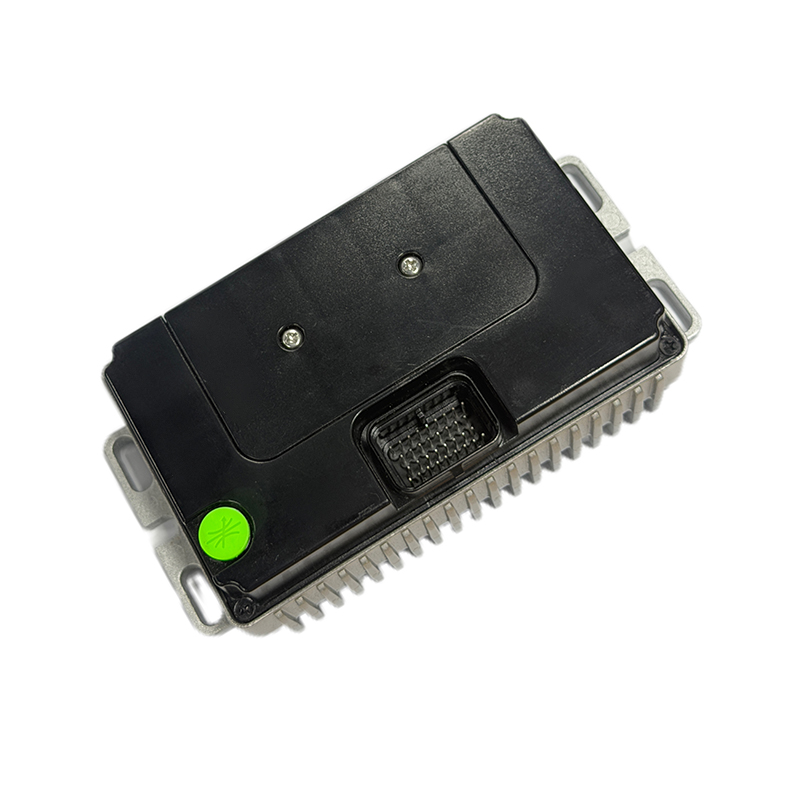
A 48 V battery pack delivers one fixed DC voltage. A motor on an electric scooter still has to hold roughly 3,200 rpm on a flat road, drop to about 280 rpm on a 12 percent grade, and reverse on demand. Something between the battery and the windings has to decide how much current flows, in which dir...
READ MORE -
An electric motorcycle running at full throttle reaches its rated speed, and the throttle suddenly feels dead. The motor can still spin faster, but the controller stops delivering more current. To push beyond that point, the controller must deliberately weaken the magnetic field inside the motor. T...
READ MORE
Industry knowledge
Ebike Hub Motors: Enhancing Performance in Electric Bicycles
Ebike hub motors are an essential component in modern electric bicycles, offering a simple, efficient solution for powering these vehicles. Shanghai APT Power Technology Co., Ltd., a leading company in drive control for permanent magnet synchronous motors, has been at the forefront of providing advanced motor technologies for electric mobility vehicles since its founding in 2010. The company’s hub motors are designed for a range of applications, providing reliable and efficient power sources for the electrification of two-wheeled transportation. This section delves into the benefits, challenges, and innovations associated with Ebike hub motors.
Advantages of Ebike Hub Motors
Hub motors, typically located in the wheels of electric bicycles, offer a variety of performance benefits that make them an excellent choice for different types of electric bikes. Some of the main advantages include:
- Simple Design: Hub motors integrate seamlessly into the wheel hub, simplifying the motor system and reducing the complexity of the drivetrain. This results in a lightweight design with fewer moving parts, minimizing the chances of mechanical failures.
- Increased Efficiency: Since hub motors provide direct power to the wheels, there is less energy loss compared to traditional motor systems. This translates into better overall efficiency, particularly in urban and commuter environments.
- Less Maintenance: The absence of complex gear systems and external drive components reduces the maintenance requirements for hub motor systems. This makes Ebike hub motors ideal for users seeking low-maintenance vehicles.
- Quiet Operation: Hub motors operate quietly and smoothly, providing a more comfortable and less noisy riding experience, particularly in urban areas where noise pollution is a concern.
- Space Saving: Hub motors do not require additional space within the frame, allowing for more compact and streamlined electric bike designs.
Challenges in Ebike Hub Motor Design
Despite their advantages, there are challenges associated with the design and implementation of Ebike hub motors. Addressing these issues is crucial for optimizing performance and ensuring long-term durability. Some of the challenges include:
- Heat Management: Hub motors are located in the wheel hub, which can limit their cooling options. Efficient heat dissipation is necessary to prevent overheating during extended rides or when climbing steep inclines.
- Weight Distribution: The motor's placement in the wheel can affect the bike's overall weight distribution. An imbalance in weight can impact the handling and stability, especially when riding at higher speeds or carrying loads.
- Torque Control Limitations: Hub motors typically provide less torque compared to mid-drive motors, which can be a disadvantage in certain riding conditions, such as steep hills or off-road terrain.
- Efficiency at High Speeds: While hub motors excel at lower speeds, they may lose some efficiency at higher speeds, reducing overall performance on long-distance rides or when traveling at faster speeds.
- Durability of Components: Since the motor is housed in the wheel, exposure to road debris, moisture, and other environmental factors can impact its durability and lifespan, requiring additional protective features in the design.
Recent Innovations in Ebike Hub Motor Technology
Advances in hub motor technology are continuously improving the performance, efficiency, and reliability of electric bikes. Some of the most recent innovations include:
- Integrated Cooling Systems: New designs incorporate advanced cooling technologies such as liquid cooling or optimized air ventilation to manage heat buildup in the motor, especially during intense usage.
- Higher Power Density: Modern hub motors are designed to deliver higher power in smaller, more compact units, providing enhanced performance without compromising the weight or size of the bike.
- Regenerative Braking: Many new hub motors come with regenerative braking capabilities, allowing the motor to recover energy during braking and recharge the battery, enhancing overall energy efficiency.
- Improved Control Systems: Advanced motor controllers enable better integration with sensors, allowing for more responsive control over power output, resulting in smoother acceleration and better torque management.
- Smart Connectivity: Some of the latest hub motors offer Bluetooth and IoT connectivity, allowing riders to track performance, customize settings, and monitor battery health through smartphone apps.
Scooter Hub Motors: Benefits and Design Considerations
Hub motors are also widely used in electric scooters, providing a practical and efficient solution for urban transportation. These motors are designed for high efficiency, minimal maintenance, and optimal performance in city environments. Shanghai APT Power Technology Co., Ltd. has developed a range of advanced hub motors specifically tailored for electric scooters. Below are some of the key benefits and design considerations for scooter hub motors:
Benefits of Scooter Hub Motors
Hub motors provide several key advantages for electric scooters, particularly for urban commuting and short-distance travel. These benefits include:
- Compact and Lightweight: The hub motor is integrated directly into the wheel, allowing for a lightweight and compact scooter design. This makes the vehicle easier to handle and maneuver in crowded urban environments.
- Enhanced Efficiency: The direct power transfer from the motor to the wheels minimizes energy loss, resulting in better efficiency and longer ride distances on a single charge.
- Quiet Operation: Scooter hub motors operate quietly, contributing to a more comfortable and less disruptive ride, which is particularly important in urban areas with high population density.
- Low Maintenance: With fewer moving parts and no external drivetrain components, scooter hub motors are easier to maintain, reducing the need for frequent repairs or adjustments.
- Cost-Effective: Hub motors are typically more cost-effective to produce than other motor types, making them a popular choice for budget-friendly electric scooters.
Considerations for Scooter Hub Motor Design
Designing efficient and reliable hub motors for electric scooters requires addressing specific challenges. These include:
- Power Requirements: Electric scooters vary in terms of power needs, and the hub motor must be selected to meet these requirements while balancing performance and battery life.
- Weight and Balance: As with Ebikes, the placement of the hub motor affects the weight distribution of the scooter, which can influence its handling and overall ride comfort. Proper design is essential to ensure stability and performance.
- Durability in Urban Environments: Scooter hub motors must be designed to withstand harsh environmental conditions such as moisture, dust, and debris, which can impact motor performance over time.
- Battery Integration: The performance of the motor is closely tied to the battery, and the motor must be compatible with battery systems to optimize power usage and range.
Future Trends in Ebike and Scooter Hub Motors
The future of Ebike and scooter hub motors is expected to include several exciting trends that will enhance performance, efficiency, and user experience. Some of the key trends to watch include:
- Increased Integration with Smart Technologies: As the demand for connected vehicles grows, hub motors will increasingly feature smart technologies such as GPS tracking, app-based control, and real-time diagnostics.
- Advances in Battery and Motor Synergy: Future innovations will focus on optimizing

Custom Ebike Hub Motor Suppliers, Focusing on the drive control of permanent magnet synchronous motors, we provide a safe and sufficient power source for the electrification of travel vehicles.
NAVIGATION
CONTCAT US
- [email protected]
- +86-170 9191 9800
- Room 123A, No. 1000 Ziyue Road, Minhang District, Shanghai, China
Copyright © Shanghai APT Power Technology Co., Ltd.All rights reserved

Have a project in your mind?
