 English
 Español
 عربى
عربى
Mid Drive Electric Motors: Performance, Efficiency & Bike Integration
Content
- 1 Mid-drive electric motors—mounted at the bicycle’s bottom bracket, where pedals attach—deliver superior power transfer, hill-climbing ability, and ride balance compared to hub motors, making them the preferred choice for performance e-bikes, cargo bikes, and off-road models. By leveraging the bike’s existing drivetrain, mid-drives multiply torque efficiently, achieving up to 30% greater range on hilly terrain than equivalent hub motors.
- 2 How Mid-Drive Motors Work
- 3 Key Performance Metrics Compared
- 4 Advantages Over Hub Motors
- 5 Drivetrain Wear and Maintenance Considerations
- 6 Battery Integration and Range Optimization
- 7 Installation and Frame Compatibility
- 8 Future Trends and Smart Features
Mid-drive electric motors—mounted at the bicycle’s bottom bracket, where pedals attach—deliver superior power transfer, hill-climbing ability, and ride balance compared to hub motors, making them the preferred choice for performance e-bikes, cargo bikes, and off-road models. By leveraging the bike’s existing drivetrain, mid-drives multiply torque efficiently, achieving up to 30% greater range on hilly terrain than equivalent hub motors.
Unlike hub motors that directly drive the wheel, mid-drive systems power the crankset, allowing the rider to use gears to optimize motor load. This integration enables smarter energy use, lower center of gravity, and more natural handling—critical for technical trails or urban commuting with heavy loads.
How Mid-Drive Motors Work
A mid-drive motor replaces the traditional bottom bracket and connects directly to the chainring. When activated by pedal input (via a torque or cadence sensor), it adds rotational force to the cranks. The rider’s pedaling effort and selected gear ratio determine how the motor’s power is applied—low gears amplify torque for steep climbs, while high gears maximize speed on flats.
Most systems include a freewheel clutch to disengage the motor when coasting, reducing drag. Advanced models like Bosch Performance Line or Shimano EP8 use real-time algorithms to adjust assistance based on gradient, speed, and rider input, delivering seamless power without jerking or lag.
Key Performance Metrics Compared
| Model | Max Torque | Weight | Efficiency* |
|---|---|---|---|
| Bosch Performance Line CX | 85 Nm | 2.9 kg | 88% |
| Shimano EP8 | 85 Nm | 2.6 kg | 90% |
| Brose Drive S Mag | 90 Nm | 2.8 kg | 87% |
*Efficiency measured as mechanical output vs. electrical input under mixed riding conditions. Shimano’s EP8 leads in weight-to-torque ratio, while Bosch offers the most refined software integration.
Advantages Over Hub Motors
Mid-drives outperform hub motors in three critical areas:
- Hill climbing: Gearing allows sustained power on 20%+ gradients without overheating
- Weight distribution: Central mass improves handling and reduces wheel strain
- Drivetrain compatibility: Works with derailleurs and wide-range cassettes (e.g., 11–50T)
Hub motors, by contrast, apply fixed torque regardless of terrain, often stalling on steep inclines or wearing rear tires faster due to uneven load.
Drivetrain Wear and Maintenance Considerations
The increased torque from mid-drives accelerates wear on chains, cassettes, and chainrings—especially if riders stay in high gears under load. A 250W mid-drive can exert forces equivalent to a 150 kg rider sprinting uphill.
To mitigate this, use e-bike-specific drivetrain components (e.g., Shimano Deore XT E8000, Gates Carbon Drive belts) and shift proactively. Regular maintenance—chain lubrication every 100 km and cassette inspection every 1,500 km—can double component life. Some motors, like Yamaha PW-X3, include “gear shift detection” that briefly cuts power during shifts to reduce drivetrain shock.
Battery Integration and Range Optimization
Mid-drive systems typically pair with downtube or integrated frame batteries (400–750 Wh). Because they operate at optimal RPMs across varied terrain, they extract more usable energy per watt-hour. For example, a 500 Wh battery may deliver 80 km on a hub motor in hilly areas but 105 km with a mid-drive using smart assist modes.
Features like Bosch’s “Eco+” mode or Specialized’s “Smart Control” dynamically adjust power to ensure battery lasts the entire route. Regenerative braking is rare in mid-drives (unlike some hub motors), as the freewheel design prevents back-driving the motor.
Installation and Frame Compatibility
Not all frames support mid-drives. Requirements include:
- Standard BSA 68/73mm or T47 bottom bracket shell
- Sufficient chainstay clearance for motor housing
- Mounting points for display, control unit, and battery
Aftermarket conversions (e.g., Bafang BBS02/BBSHD) fit many standard bikes but add unsprung weight and may void warranties. OEM-integrated systems offer better waterproofing, noise reduction, and frame stiffness.
Future Trends and Smart Features
Next-generation mid-drives are becoming intelligent mobility platforms. The Bosch Smart System now includes ANT+/Bluetooth connectivity, theft detection, and over-the-air updates. Emerging models feature AI-driven assist profiles that learn rider habits and terrain preferences.
As e-bikes evolve into connected vehicles, the mid-drive motor remains central—not just as a power source, but as the dynamic core of an integrated cycling experience. For riders prioritizing efficiency, control, and long-term reliability, it’s the definitive choice.
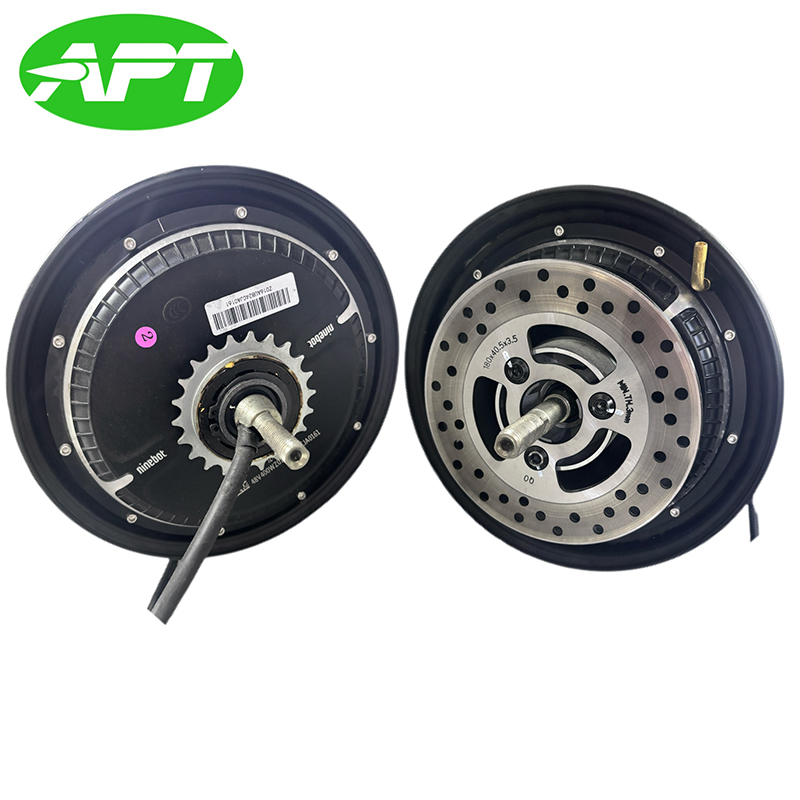
NEXT:Motor Controllers: Exploring the Role of Software in Modern Motor Management
Interested in cooperation or have questions?
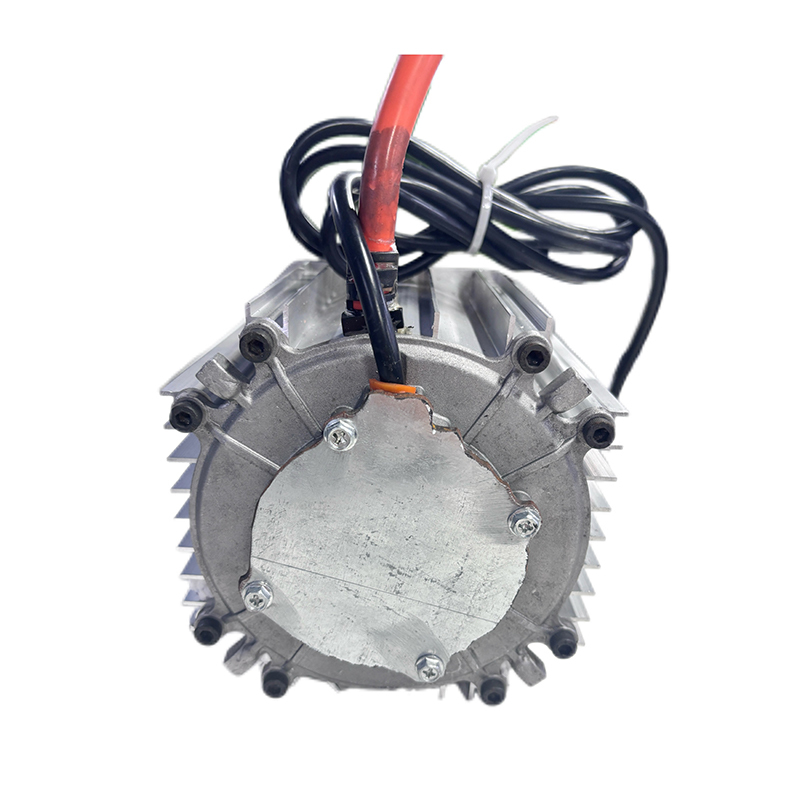
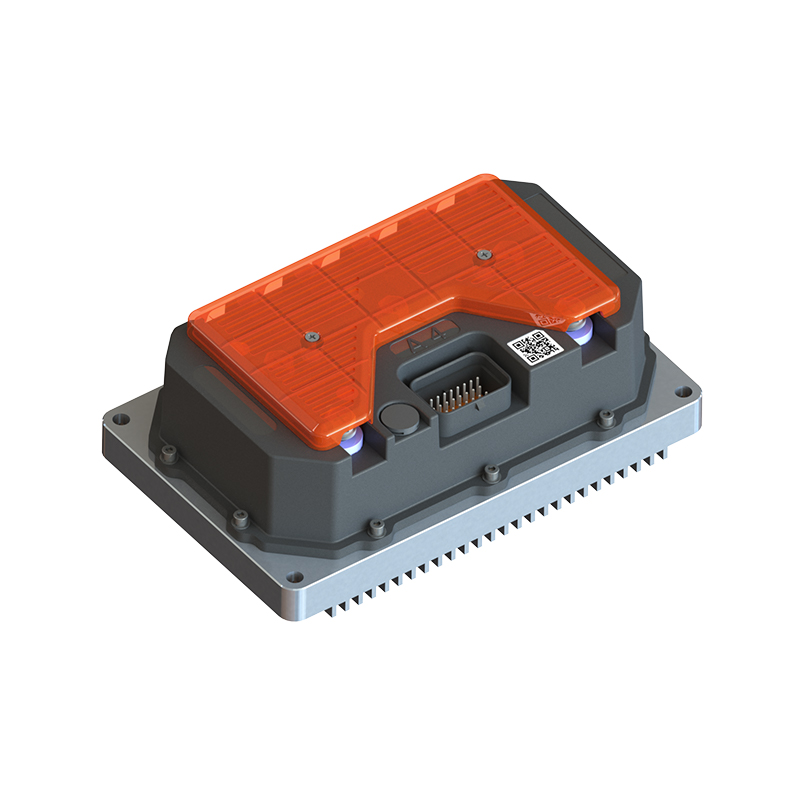

As Custom Permanent Magnet Synchronous Motor Controllers Manufacturers and Permanent Magnet Motor Controllers Suppliers in China, Focusing on the drive control of permanent magnet synchronous motors, we provide a safe and sufficient power source for the electrification of travel vehicles.
- [email protected]
- +86-170 9191 9800
- Room 123A, No. 1000 Ziyue Road, Minhang District, Shanghai, China
Copyright © Shanghai APT Power Technology Co., Ltd.All rights reserved

