 English
 Español
 عربى
عربى
Motor Controllers: Exploring the Role of Software in Modern Motor Management
Motor controllers are an essential component in many systems, enabling the precise control of motor performance. As industries advance, the role of software in motor management has become increasingly critical. This article explores the intersection of hardware and software in modern motor controllers, focusing on how software optimizes motor performance, efficiency, and reliability.
Content
Understanding Motor Controllers
Motor controllers are devices used to manage the operation of electric motors. They regulate the speed, direction, torque, and other parameters of a motor, ensuring its operation matches the requirements of the application. Motor controllers are used in a variety of industries, from industrial machinery and robotics to consumer electronics and electric vehicles.
At their core, motor controllers consist of hardware components that interact with electric motors, as well as software that provides the intelligence to make real-time adjustments. The combination of both hardware and software is what enables precise control and performance optimization.
The Evolution of Software in Motor Controllers
Historically, motor controllers were primarily hardware-based, relying on analog circuits and mechanical components. Over time, the development of digital control systems and microprocessors revolutionized the way motor controllers work. Software was introduced as a means to improve the flexibility, efficiency, and functionality of motor control systems.
Modern motor controllers now rely on sophisticated software algorithms to manage motor functions. These software systems can be updated or reprogrammed, allowing for customization and fine-tuning. This flexibility is critical for applications that demand precision and adaptability, such as in industrial automation or electric vehicle powertrains.
The Role of Software in Motor Management
Speed and Torque Control
One of the primary functions of motor controllers is regulating the speed and torque of motors. Software plays a significant role in this by calculating the optimal settings in real-time based on input from sensors and user commands. The software adjusts parameters like voltage, current, and frequency to achieve the desired motor performance.
Energy Efficiency
Energy consumption is a major concern in industrial operations and consumer applications. Software in motor controllers helps optimize energy usage by adjusting motor parameters based on load conditions. For example, during periods of low demand, the controller can reduce motor speed, saving energy while still maintaining performance.
Advanced algorithms can also detect inefficiencies and suggest operational adjustments to reduce waste. This energy management capability is particularly useful in industries where energy costs are a significant concern, such as manufacturing, HVAC, and electric vehicles.
Predictive Maintenance
Modern motor controllers equipped with software can also monitor the health of motors, predicting potential failures before they occur. By analyzing sensor data, such as temperature, vibration, and current, the software can detect anomalies that may indicate wear or damage. This allows for predictive maintenance, reducing the likelihood of unexpected downtime and extending the lifespan of motors.
By using software for predictive maintenance, operators can schedule maintenance tasks at optimal times, minimizing disruptions and maximizing operational efficiency.
Software Features in Modern Motor Controllers
Real-Time Monitoring
Real-time monitoring is a crucial feature of modern motor controllers. Software allows for continuous tracking of motor performance and system parameters. This data is often displayed on a user interface, giving operators insights into motor health, performance trends, and energy usage.
Advanced motor controllers can even transmit this data remotely, allowing for off-site monitoring and control. This capability is especially useful for large-scale industrial operations where monitoring multiple systems from a central location is required.
Customization and Optimization
Software enables significant customization of motor controller settings. Users can adjust parameters to meet specific operational needs, whether it's optimizing speed control for a conveyor belt or fine-tuning torque delivery for an electric motor in a car.
Through software updates, motor controllers can be optimized for new applications, ensuring long-term versatility. This adaptability is essential in industries where technology and requirements evolve rapidly.
Motor Controller Software: A Practical Overview
Applications of Software in Motor Controllers
Motor controller software is used in a variety of applications, each with unique demands and requirements:
- Industrial automation: controlling robotic arms, conveyor systems, and CNC machines.
- Electric vehicles: managing power delivery and regenerative braking in electric motors.
- HVAC systems: adjusting fan speed and compressor operation to optimize energy use.
- Consumer electronics: ensuring smooth operation of electric motors in home appliances.
Software and Hardware Integration
For motor controllers to function efficiently, seamless integration between software and hardware is essential. The software communicates with hardware components, such as sensors and microcontrollers, to collect data and make decisions. This interaction enables dynamic adjustments and ensures that the motor performs optimally under varying conditions.
Modern motor controllers are increasingly modular, allowing for easy integration with other systems. This modularity enhances flexibility and makes it easier to upgrade or adapt systems as new technologies become available.
The Future of Software in Motor Controllers
The future of motor controllers is closely tied to advancements in software. As industries continue to seek greater efficiency and performance, motor controller software will become even more sophisticated. Machine learning and artificial intelligence (AI) are expected to play a larger role in optimizing motor management, enabling self-learning systems that adapt to operational conditions over time.
Additionally, the Internet of Things (IoT) will drive further innovation, allowing motor controllers to communicate with other devices and share data in real-time. This will lead to even more advanced features like remote diagnostics, autonomous operation, and further energy savings.
Conclusion
Motor controllers are integral to many modern systems, and software is at the heart of their ability to provide precise control, energy efficiency, and predictive maintenance. As technology continues to evolve, the role of software in motor management will only grow more important, opening up new possibilities for industries seeking to optimize their operations. By leveraging advanced software algorithms, companies can achieve greater performance, reliability, and cost-effectiveness in motor-controlled applications.
NEXT:Hub-Motor Performance, Efficiency, and Application Guide
Interested in cooperation or have questions?
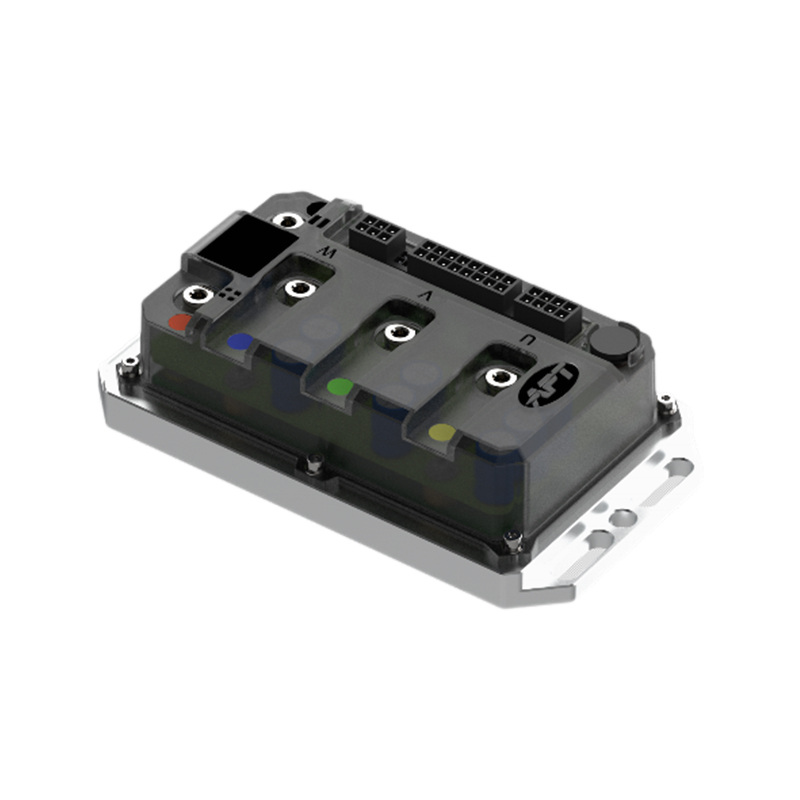
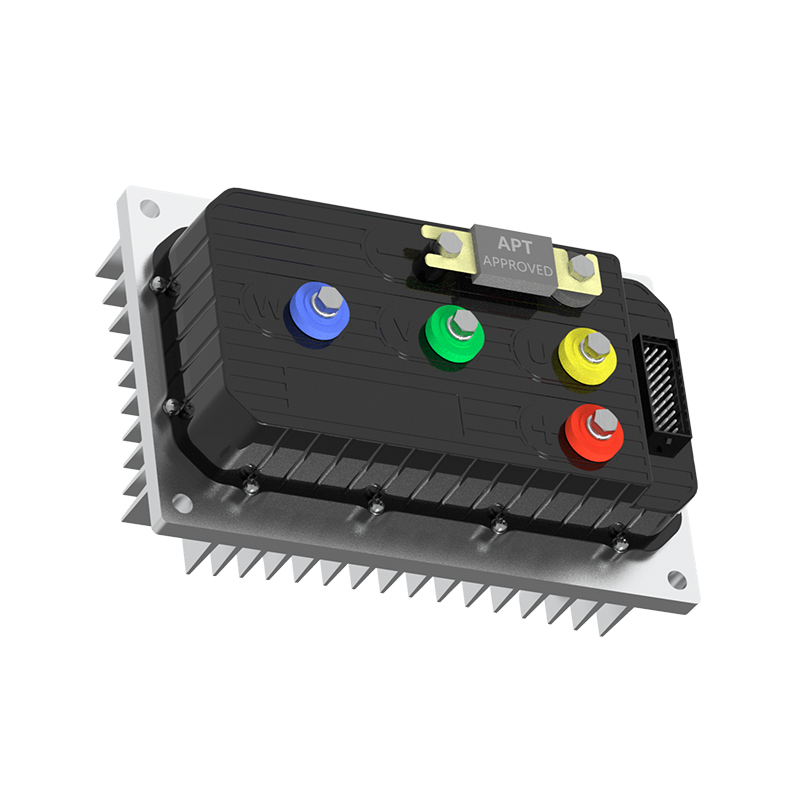
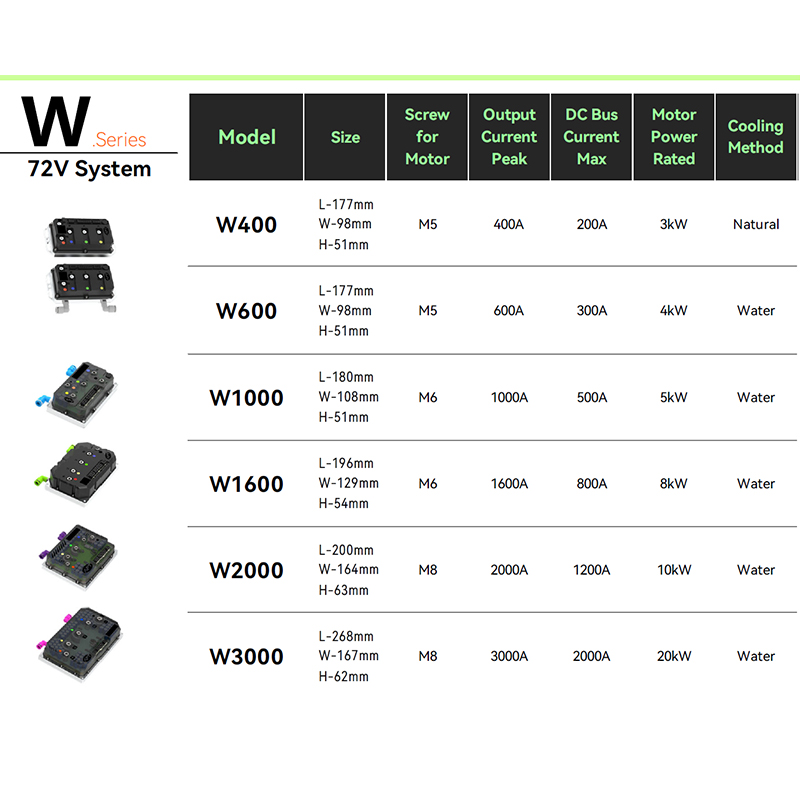
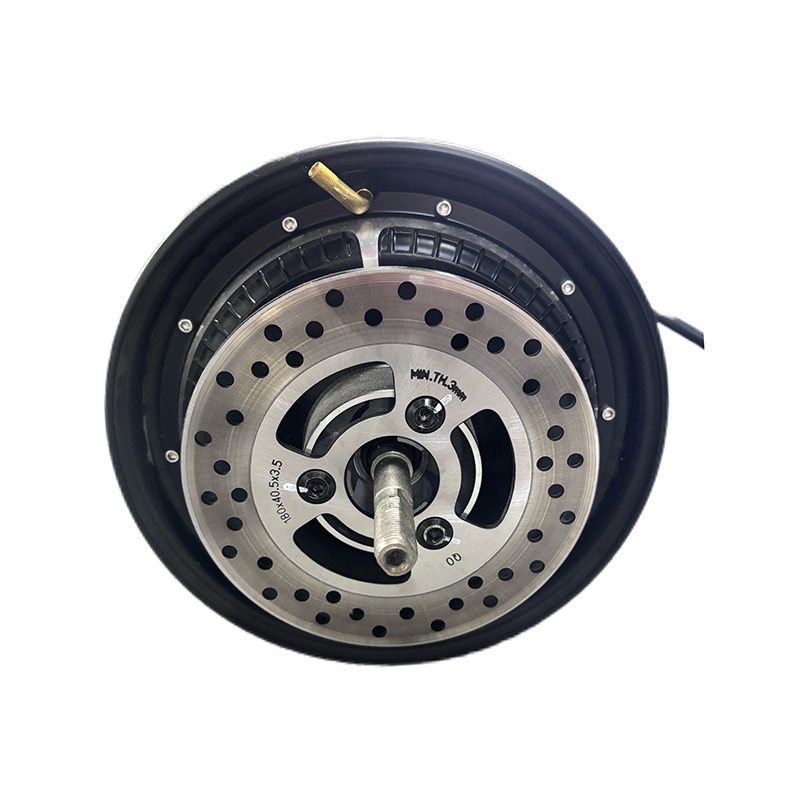
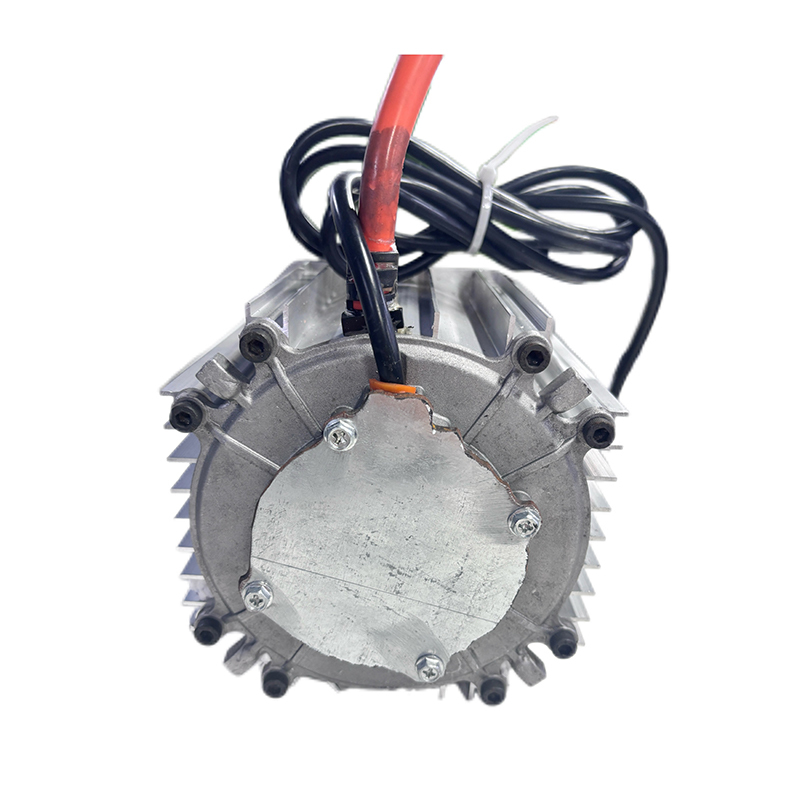

As Custom Permanent Magnet Synchronous Motor Controllers Manufacturers and Permanent Magnet Motor Controllers Suppliers in China, Focusing on the drive control of permanent magnet synchronous motors, we provide a safe and sufficient power source for the electrification of travel vehicles.
- [email protected]
- +86-170 9191 9800
- Room 123A, No. 1000 Ziyue Road, Minhang District, Shanghai, China
Copyright © Shanghai APT Power Technology Co., Ltd.All rights reserved

