 English
 Español
 عربى
عربى
Ebike Hub Motor & Scooter Hub Motor: Technical Guide & Selection Tips
Content
What Is a Hub Motor and How Does It Work
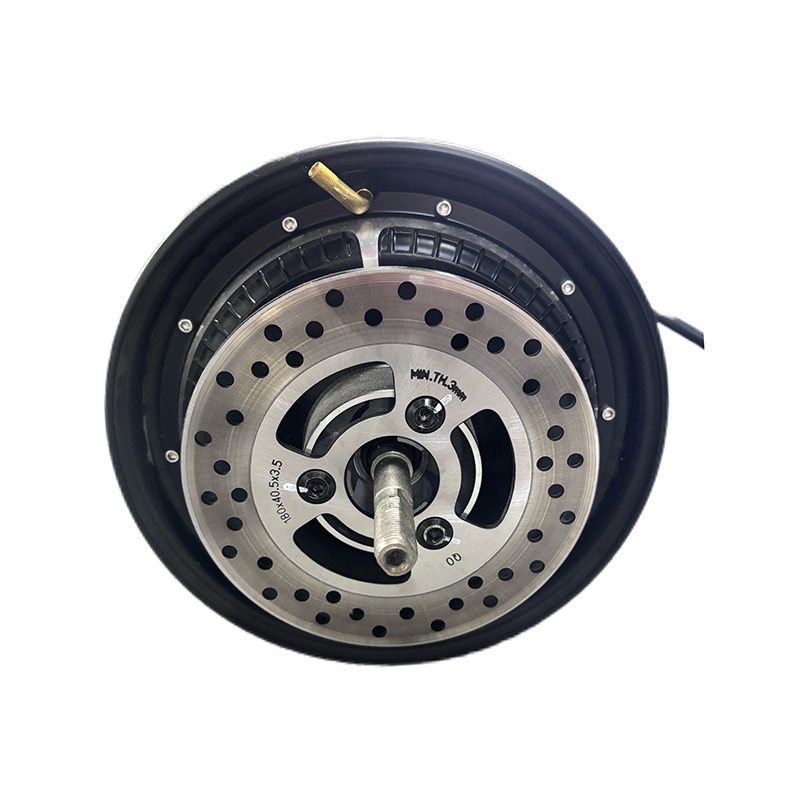
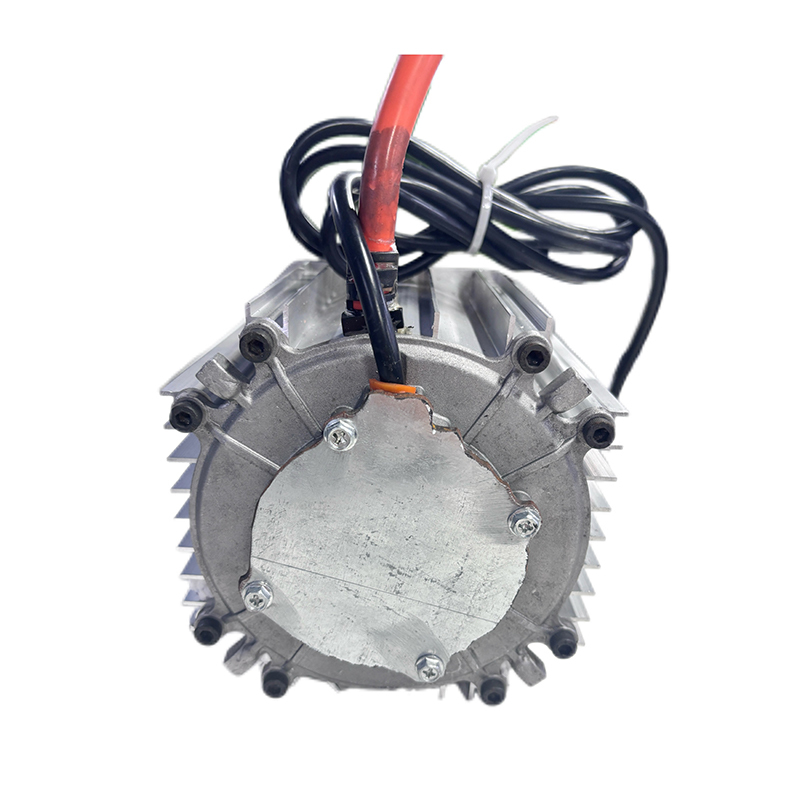
A hub motor is an electric motor integrated directly into the wheel hub of a vehicle. Unlike traditional drivetrain systems that rely on chains, belts, or gearboxes to transfer power, a hub motor delivers torque directly to the wheel — resulting in a simpler mechanical structure, lower maintenance requirements, and quieter operation.
Most modern hub motors used in electric bikes and scooters are brushless permanent magnet synchronous motors (BLDC/PMSM). This design eliminates mechanical brushes, dramatically improving efficiency and extending service life. Within this category, there are two primary configurations:
- Gearless (Direct-Drive) Hub Motors — The motor rotor is the wheel itself. These units are robust, capable of regenerative braking, and well-suited for high-speed applications. Their trade-off is greater weight and reduced torque at low speeds.
- Geared Hub Motors — An internal planetary gear set multiplies torque output. This results in a lighter, more compact motor that performs well at lower speeds and on inclines, though the gears introduce some noise and wear over time.
Both ebike and scooter applications rely on hub motor technology, but the specific requirements for each vehicle type differ significantly. Explore our full range of hub motor products designed for diverse electromobility applications.
Ebike Hub Motor vs. Scooter Hub Motor: Key Differences
While the underlying physics are the same, ebike and scooter hub motors are engineered around very different vehicle platforms. Understanding these differences is critical for manufacturers, integrators, and procurement teams when specifying components.
| Parameter | Ebike Hub Motor | Scooter Hub Motor |
|---|---|---|
| Typical Wheel Diameter | 20″ – 29″ | 8″ – 12″ |
| Rated Power Range | 250W – 1500W | 350W – 3000W+ |
| Voltage Range | 36V – 52V | 48V – 72V |
| Typical Speed | 25 – 45 km/h | 45 – 100+ km/h |
| Motor Type | Geared or Gearless | Primarily Gearless |
| Heat Dissipation | Moderate requirement | High requirement |
| Load Capacity | 60 – 120 kg | 100 – 300+ kg |
Ebike hub motors prioritize efficiency, light weight, and pedal-assist compatibility. Regulatory constraints in most markets limit continuous power output to 250W–750W, pushing engineers to optimize torque curves for low-to-mid speed ranges while keeping the motor compact enough not to disrupt the bike's geometry.
Scooter hub motors, by contrast, must handle higher sustained loads, greater heat generation, and more aggressive acceleration profiles. The smaller wheel diameter typical of scooters means the motor must produce higher torque at the axle to achieve equivalent vehicle performance — this is why scooter motors are frequently rated at 1000W or above even for entry-level models.
How to Choose the Right Hub Motor for Your Application
Selecting a hub motor involves balancing several interdependent parameters. A mismatch in any one area can lead to overheating, poor performance, or premature failure. Here are the primary factors to evaluate:
- Wheel Diameter & Tire Compatibility — The motor must fit precisely within the wheel hub. Ebike motors are typically designed for 20″, 26″, 27.5″, or 700C rims. Scooter motors are built for 8″, 10″, or 12″ solid or pneumatic tires.
- Power & Voltage Rating — Match the motor's rated voltage to your battery pack. Running a 48V motor on a 36V system reduces output and can cause instability; exceeding the rated voltage risks overheating and insulation breakdown.
- Torque Requirements — Calculate the peak torque needed based on vehicle weight, maximum gradient, and target acceleration. Scooters used for cargo or hilly terrain typically require motors with a peak torque above 80 Nm.
- Front vs. Rear Wheel Installation — Front hub motors simplify installation and provide even weight distribution but can reduce traction on slippery surfaces. Rear hub motors deliver better traction and a more natural riding feel, which is why they dominate in performance-oriented designs.
- Thermal Management — For high-duty-cycle applications such as delivery scooters or cargo ebikes, choose motors with enhanced stator materials and housing designs that facilitate heat dissipation.
For applications where compactness and bottom-bracket efficiency are paramount — such as performance road ebikes — a mid-drive motor may be a superior alternative to a hub motor configuration.
The Importance of Motor-Controller Matching
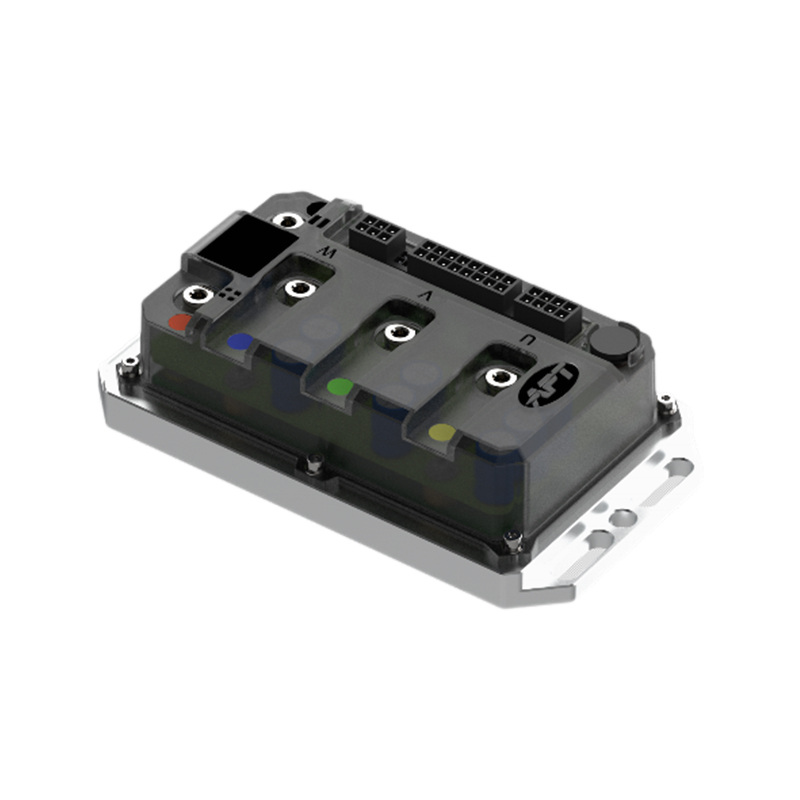
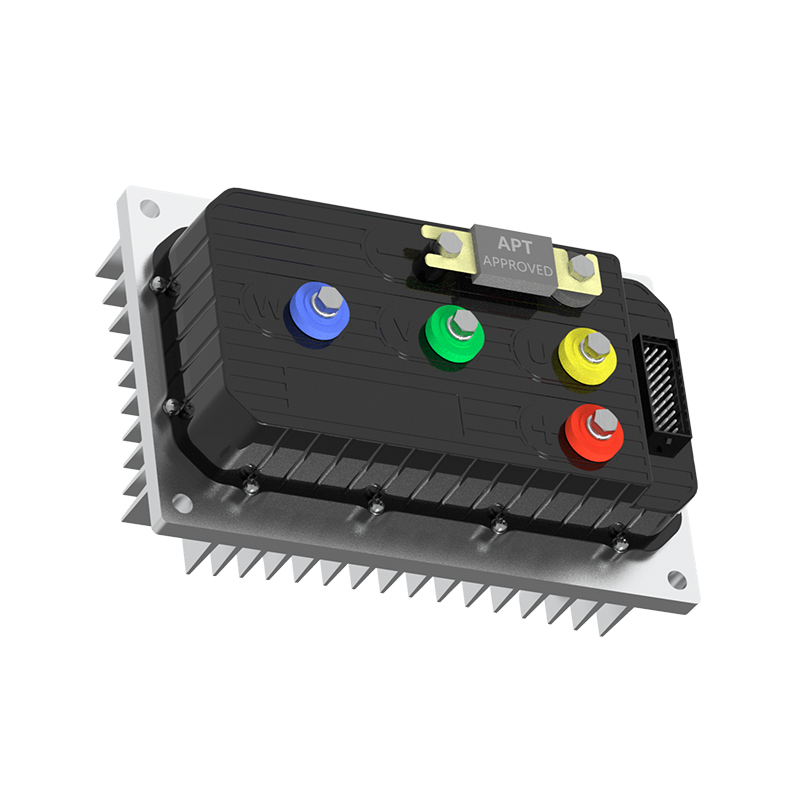
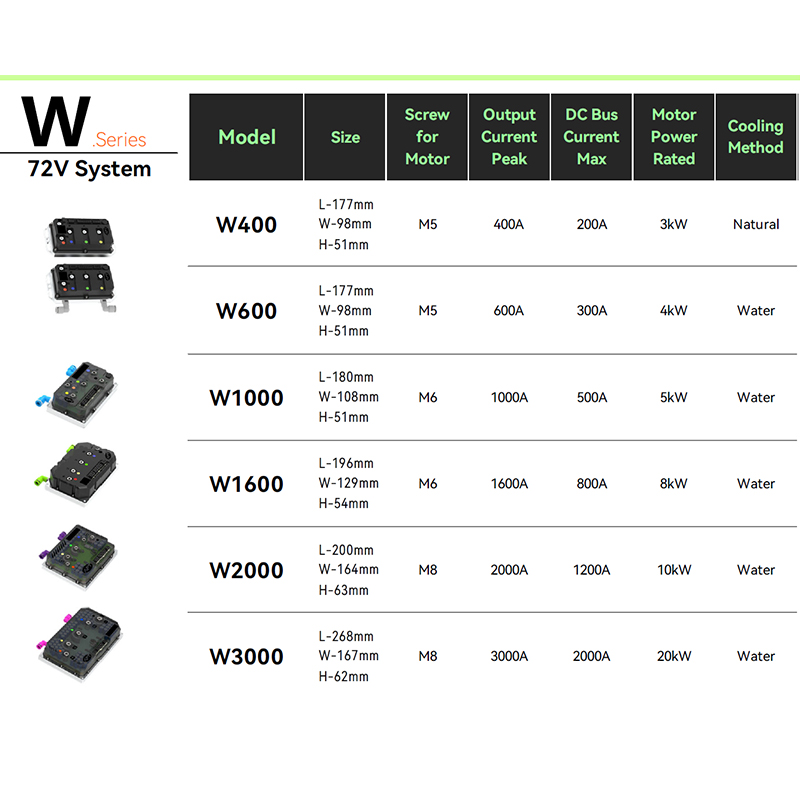
A hub motor never operates in isolation. Its real-world performance is defined as much by its motor controller as by the motor itself. The controller governs phase current, switching frequency, field-weakening strategy, and thermal protection thresholds — all of which directly affect efficiency, responsiveness, and longevity.
Common consequences of poor motor-controller pairing include:
- Excessive heat generation due to mismatched current limits
- Torque ripple and vibration caused by incorrect pole-pair configuration
- Reduced regenerative braking efficiency
- Hall sensor communication errors leading to erratic startup behavior
Proper matching requires aligning the motor's KV value, pole count, phase resistance, and inductance with the controller's PWM frequency, current rating, and FOC (Field-Oriented Control) algorithm. For OEM customers and system integrators, working with a supplier that offers both the motor and the controller as a validated pair eliminates much of this engineering risk. Refer to our detailed controller and motor matching advice for pairing guidelines across our full product lineup.
Why Work with a Professional Hub Motor Manufacturer
The global market for ebike and scooter hub motors is growing rapidly, driven by tightening emissions regulations, rising urban mobility demand, and expanding micro-mobility infrastructure. For vehicle manufacturers, this growth brings both opportunity and risk — sourcing decisions made today will determine product reliability, warranty costs, and brand reputation for years ahead.
Shanghai APT Power Technology Co., Ltd. specializes in the development and manufacture of permanent magnet synchronous motor drive and control systems. Our B2B product portfolio is built around three commitments:
- Validated Drive Systems — APT supplies matched hub motor and controller assemblies, pre-tested to ensure stable operation across the full operating envelope — from cold-start conditions at low ambient temperatures to sustained high-load cycles in demanding environments.
- Application-Specific Customization — Vehicle platforms differ. APT supports OEM customers with tailored motor winding specifications, housing dimensions, and firmware parameters to meet the unique requirements of ebikes, scooters, electric motorcycles, and light electric vehicles.
- End-to-End Technical Support — From pre-sales system design consultation to on-site commissioning and after-sales firmware updates, APT provides structured technical support at every stage of the product lifecycle.
As electric mobility continues to evolve, the standards demanded of core drivetrain components will only rise. Partnering with a manufacturer that combines deep motor expertise, controller integration capability, and a track record in global supply chains is the most reliable path to a competitive, reliable electric vehicle product.
NEXT:Ebike Motor Controllers: How They Work and How to Choose the Right One
Interested in cooperation or have questions?


As Custom Permanent Magnet Synchronous Motor Controllers Manufacturers and Permanent Magnet Motor Controllers Suppliers in China, Focusing on the drive control of permanent magnet synchronous motors, we provide a safe and sufficient power source for the electrification of travel vehicles.
- [email protected]
- +86-170 9191 9800
- Room 123A, No. 1000 Ziyue Road, Minhang District, Shanghai, China
Copyright © Shanghai APT Power Technology Co., Ltd.All rights reserved

