 English
 Español
 عربى
عربى
Ebike Motor Controllers: Types, Tuning & Selection Guide
The ebike motor controller acts as the central nervous system of an electric bicycle, regulating power flow from the battery to the motor based on user input. Selecting the right controller is not merely about matching voltage; it requires balancing current limits, communication protocols, and thermal management. For most riders, upgrading to a Field Oriented Control (FOC) sine wave controller offers the most significant improvement in ride quality, reducing noise by up to 50% and increasing efficiency by 10-15% compared to traditional square wave units. Proper configuration ensures maximum torque delivery while preventing overheating and extending battery life.
Content
Understanding Core Specifications and Compatibility
Before purchasing or tuning a controller, understanding the relationship between voltage, current, and power is essential. Voltage determines the maximum speed of the motor, while amperage (current) dictates torque and acceleration. A common mistake is selecting a controller based solely on wattage ratings without considering the continuous current draw. For instance, a 48V system with a 20A controller delivers roughly 960W of power, but if the battery cannot sustain 20A continuously, voltage sag will occur, leading to poor performance and potential battery damage.
Voltage and Current Matching
Controllers are designed to operate within specific voltage ranges, often accommodating multiple battery configurations (e.g., 48V/52V/60V). However, the low-voltage cutoff (LVC) must be correctly set to match the chemistry of the battery (Li-ion vs. LiFePO4). Setting the LVC too low can result in deep discharge, permanently damaging lithium cells. Similarly, the peak current rating should not exceed the battery's maximum continuous discharge rate.
- Voltage Range: Ensure the controller supports your battery's fully charged voltage (e.g., 54.6V for a 48V pack).
- Continuous Current: Should match the battery's BMS rating to prevent tripping protection circuits.
- Peak Current: Typically 2x the continuous rating for short bursts; ensure wiring can handle this load.
Sine Wave vs. Square Wave vs. FOC Technology
The method by which a controller delivers power to the motor phases significantly impacts efficiency, noise, and heat generation. Traditional square wave controllers switch power on and off abruptly, creating a jagged power delivery curve. This results in audible humming, vibration, and lower efficiency at partial throttle. In contrast, sine wave controllers modulate the power smoothly, mimicking the natural rotation of the motor.
Field Oriented Control (FOC) represents the latest advancement in this technology. By independently controlling the magnetic flux and torque-producing components of the current, FOC controllers optimize motor performance in real-time. This results in smoother startup, better hill-climbing capability, and reduced heat buildup. Tests indicate that FOC controllers can extend range by 10-20% under typical riding conditions compared to basic square wave units.
| Feature | Square Wave | Sine Wave | FOC (Vector Control) |
|---|---|---|---|
| Noise Level | High (Humming) | Low (Quiet) | Silent |
| Efficiency | Moderate | High | Optimal |
| Cost | Low | Medium | High |
| Ride Smoothness | Jerky at low speed | Smooth | Very Smooth |
Tuning and Programming for Optimal Performance
Modern programmable controllers allow users to customize behavior via LCD displays, Bluetooth apps, or USB connections. Key parameters include start current, acceleration rate, and brake cutoff sensitivity. Proper tuning can prevent wheel spin on loose surfaces and improve battery regeneration during braking. For example, setting a softer start current reduces stress on the drivetrain and enhances safety in wet conditions.
Thermal Management and Safety Limits
Heat is the primary enemy of electronic components. Controllers should be mounted in areas with adequate airflow, away from direct water spray. Many advanced units feature thermal throttling, which gradually reduces power output as internal temperatures rise. Users should verify that their controller’s thermal cutoff is set appropriately, typically around 85-100°C, to prevent permanent damage to MOSFETs and capacitors.
- Phase Current Limit: Adjust to match motor torque capabilities; too high causes overheating.
- Regenerative Braking: Enable only if the battery supports charging; set intensity to avoid skidding.
- PAS Sensor Calibration: Ensure pedal-assist engagement is smooth and delay-free for a natural riding feel.
Ultimately, the best ebike motor controller is one that is correctly matched to the motor’s KV rating, the battery’s discharge capability, and the rider’s specific needs. Investing in a high-quality FOC unit and taking the time to program it correctly yields a safer, quieter, and more efficient riding experience.
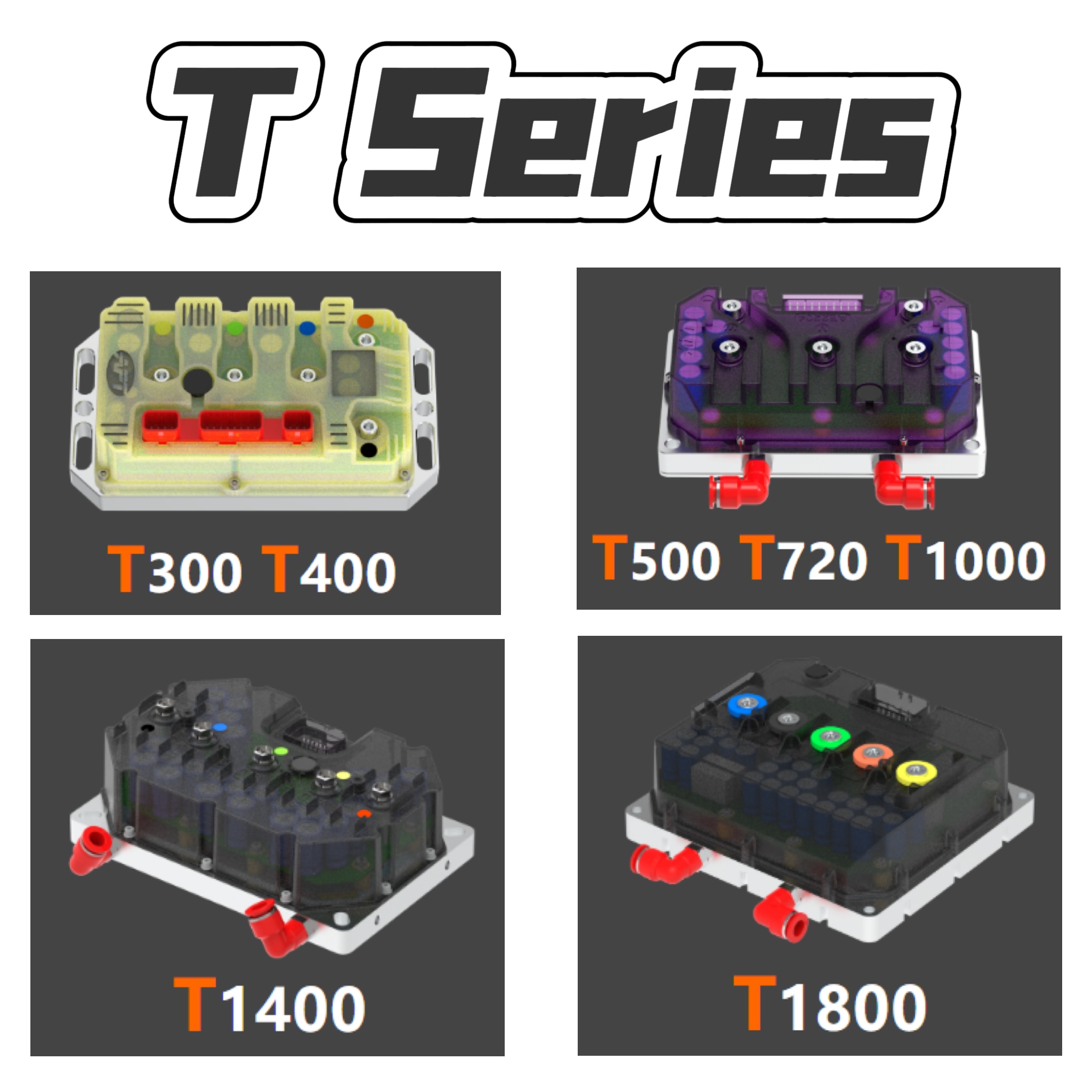
NEXT:Ebike Hub Motor & Scooter Hub Motor: Technical Guide & Selection Tips
Interested in cooperation or have questions?
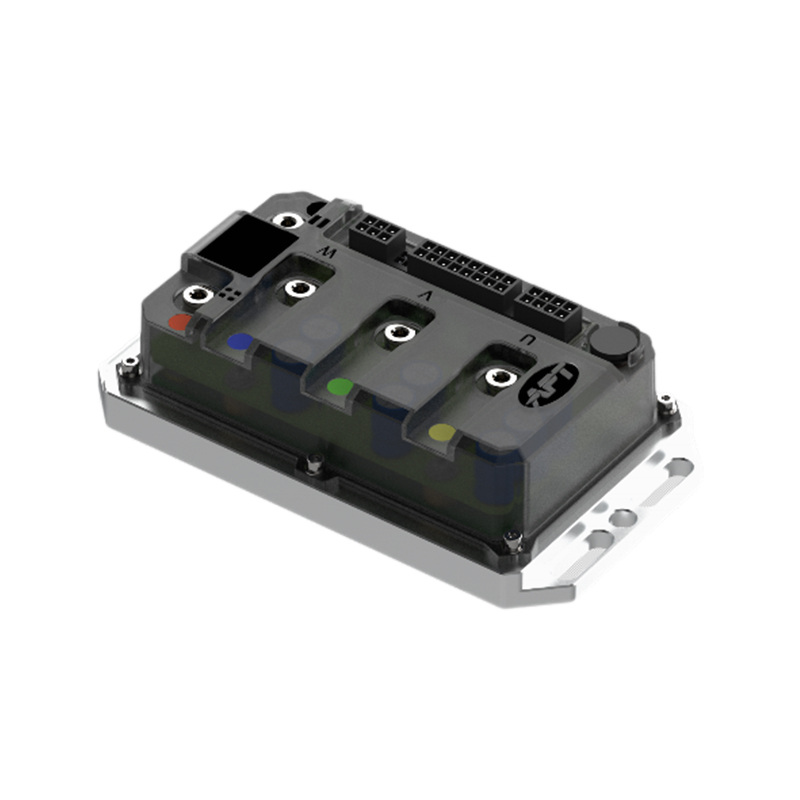
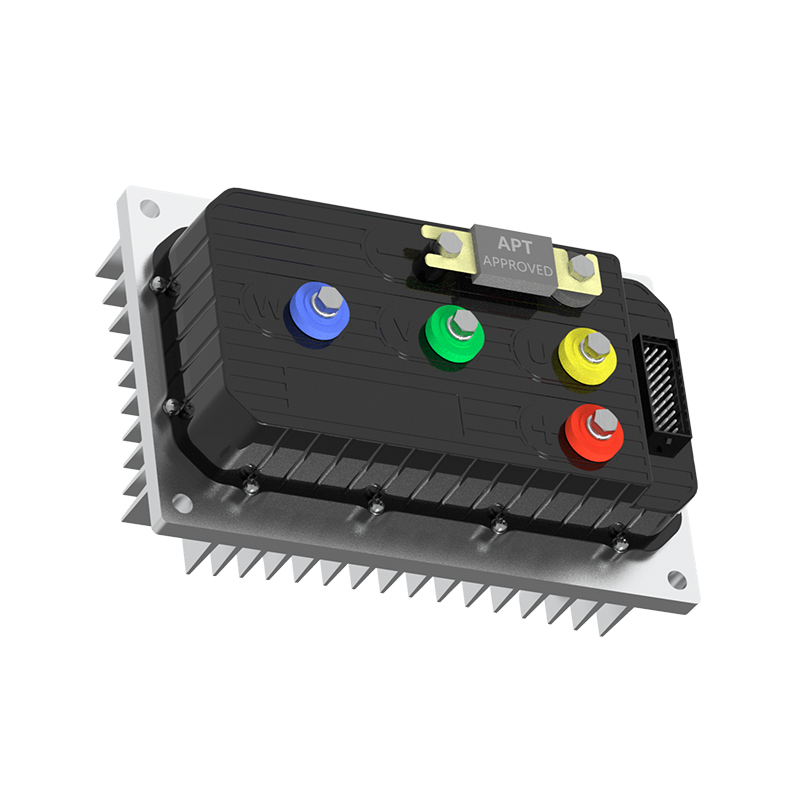
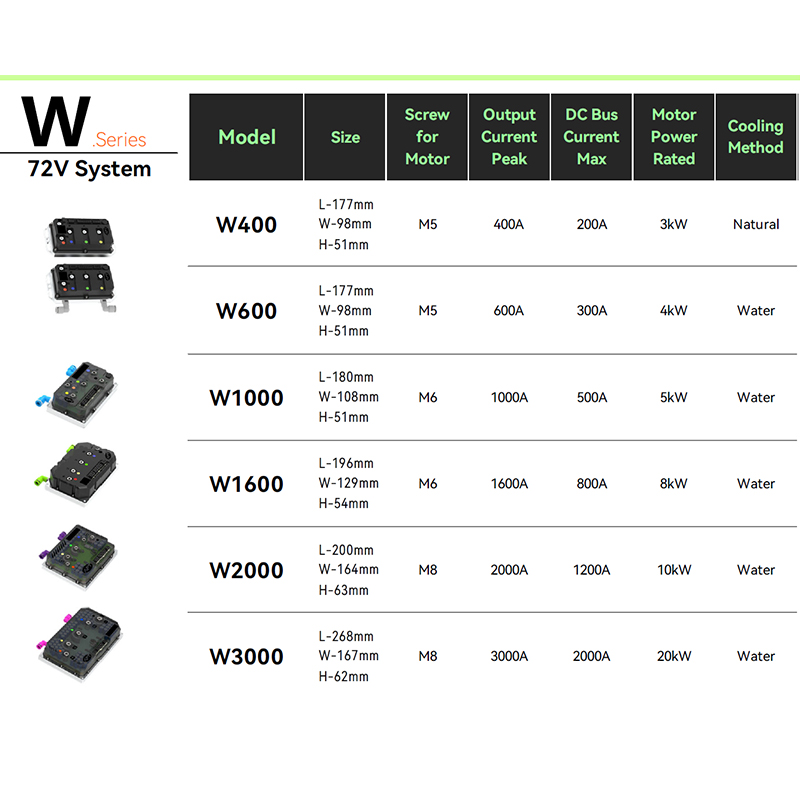
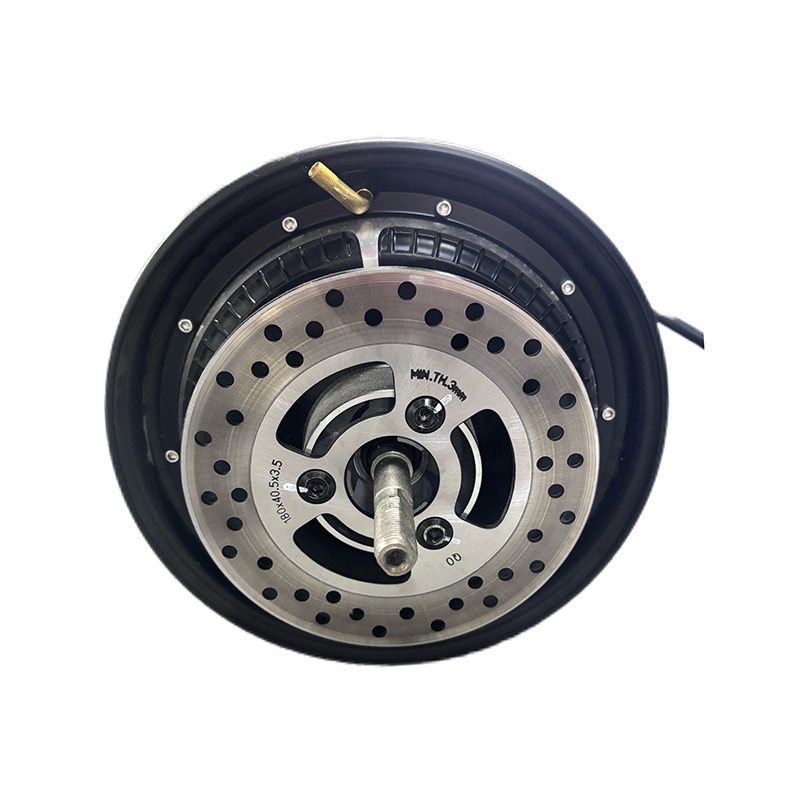
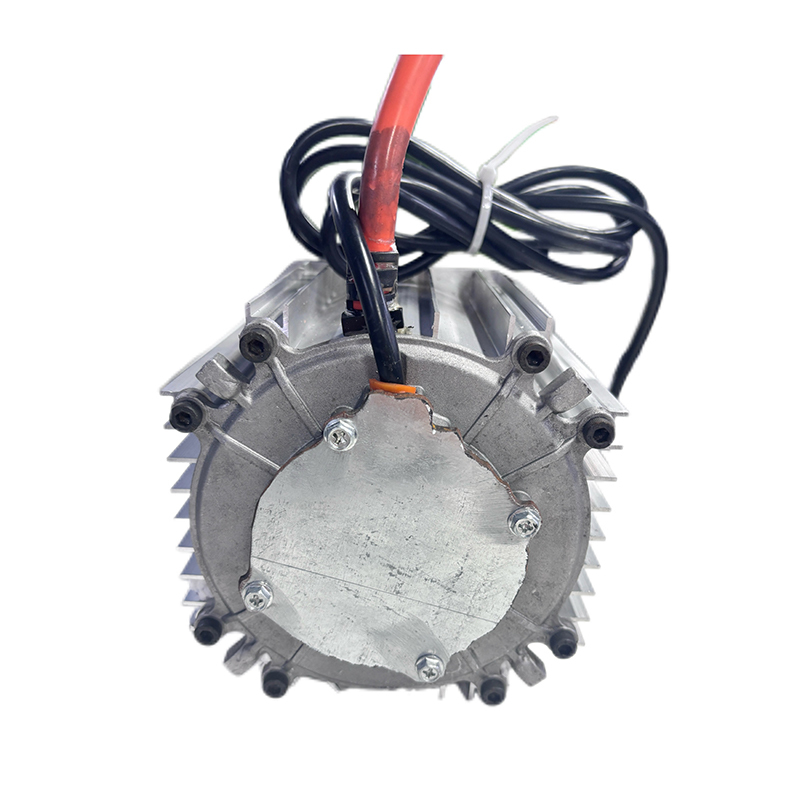

As Custom Permanent Magnet Synchronous Motor Controllers Manufacturers and Permanent Magnet Motor Controllers Suppliers in China, Focusing on the drive control of permanent magnet synchronous motors, we provide a safe and sufficient power source for the electrification of travel vehicles.
- [email protected]
- +86-170 9191 9800
- Room 123A, No. 1000 Ziyue Road, Minhang District, Shanghai, China
Copyright © Shanghai APT Power Technology Co., Ltd.All rights reserved

