 English
 Español
 عربى
عربى
Ebike Motor Controllers: How They Work and How to Choose the Right One
Content
- 1 What Is an Ebike Motor Controller and Why Does It Matter
- 2 How an Ebike Motor Controller Works
- 3 Types of Ebike Motor Controllers: FOC vs. Square Wave
- 4 Matching Your Controller to the Right Motor
- 5 Key Specifications to Evaluate When Choosing an Ebike Motor Controller
- 6 Ebike Motor Controllers for OEM and B2B Applications
- 7 Conclusion
What Is an Ebike Motor Controller and Why Does It Matter
An ebike motor controller is the central processing unit of any electric bicycle drivetrain. It sits between the battery and the motor, receiving rider inputs — from the throttle, pedal-assist sensor, or LCD display — and translating them into precisely timed electrical pulses that drive the motor. Without a capable controller, even the most powerful motor or highest-capacity battery will underperform.
Think of the controller not as a simple on/off switch, but as a real-time decision engine. It continuously monitors battery voltage, motor load, operating temperature, and rider demand, then adjusts current delivery to optimize performance, efficiency, and component longevity simultaneously. This is why two e-bikes with identical motors and batteries can feel dramatically different to ride — the controller is the differentiating factor.
Modern ebike motor controllers go well beyond basic speed regulation. Advanced models support regenerative braking, programmable assist levels, thermal shutdown protection, Bluetooth connectivity for real-time diagnostics, and compatibility with multiple motor types including hub motors and mid-drive systems.
How an Ebike Motor Controller Works
At its core, an ebike motor controller operates by switching power to the motor's phase windings in a precisely timed sequence. For brushless DC (BLDC) and permanent magnet synchronous motors (PMSM) — the dominant types in modern e-bikes — the controller must determine the rotor's exact angular position at every moment in order to apply the correct phase sequence and keep the rotor spinning efficiently.
This position sensing is typically handled by Hall effect sensors embedded in the motor. The sensors generate signals as the rotor's magnets pass by, and the controller uses this data to time its switching. Some advanced controllers can also operate in sensorless mode, using back-EMF (electromotive force) detection to estimate rotor position — useful in motor designs where embedding sensors is impractical.
The controller then modulates the current to each winding using Pulse Width Modulation (PWM) — a technique that switches power on and off thousands of times per second to simulate variable voltage levels. Higher PWM frequency generally results in smoother motor operation and reduced acoustic noise. Standard operating frequencies range from around 16.6 kHz upward, with higher-end controllers capable of 20 kHz or more to minimize audible motor whine.
Built-in protection circuits continuously monitor for over-voltage, under-voltage, over-current, and thermal overload conditions, cutting power automatically if any parameter exceeds safe operating limits. This protection layer is essential to the long-term reliability of both the controller and the motor it drives.
Types of Ebike Motor Controllers: FOC vs. Square Wave
The two dominant control architectures used in ebike motor controllers are Square Wave (block commutation) and Field-Oriented Control (FOC), also commonly referred to as sine wave control. Understanding the difference is critical when selecting a controller for performance, efficiency, or noise-sensitive applications.
Square Wave Controllers
Square wave controllers apply power to the motor windings in discrete blocks of current, switching abruptly between on and off states. This approach is simpler to implement and less expensive to manufacture, making it common in budget-tier e-bikes and entry-level conversion kits. The tradeoff is noticeable: acceleration is less smooth, audible motor noise is higher, and efficiency drops more significantly at partial load and low speed.
Field-Oriented Control (FOC) / Sine Wave Controllers
FOC controllers use sinusoidal waveforms to continuously adjust the current in each motor phase, producing a rotating magnetic field that closely tracks the rotor position in real time. The result is a fundamentally different riding experience: near-silent motor operation, smooth and linear acceleration, and measurably better energy efficiency across the full speed range. FOC is the preferred architecture for any application where ride quality, range, or thermal management are priorities.
FOC control also enables torque-mode operation — the ability to regulate output torque directly rather than just voltage — which is particularly valuable for mid-drive systems where torque feel is central to the riding experience. This is why FOC controllers are standard on high-performance and mid-to-premium segment e-bikes globally.
| Feature | Square Wave Controller | FOC (Sine Wave) Controller |
|---|---|---|
| Motor Noise | Audible whine at speed | Near-silent operation |
| Acceleration Feel | Stepped / abrupt | Smooth and linear |
| Efficiency at Low Speed | Lower | Higher |
| Complexity & Cost | Lower | Higher |
| Torque Control | Limited | Precise torque mode available |
| Best For | Budget builds, basic hub motors | Mid-drive, premium hub, performance builds |
Matching Your Controller to the Right Motor
Controller and motor compatibility is the most technically critical aspect of building or upgrading an e-bike drivetrain. A mismatched pairing — whether in voltage, current rating, or motor type — results in poor performance at best, and premature component failure at worst.
The primary matching parameters are:
- Voltage compatibility — The controller's rated voltage must match the battery and motor voltage. Common ebike voltages range from 36V and 48V for urban builds up to 60V, 72V, and beyond for high-performance applications.
- Phase current rating — This determines how much torque the motor can produce. A controller with too low a current rating will limit performance; one rated too high without proper thermal management may damage motor windings.
- Motor type — Controllers designed for hub motors differ from those optimized for mid-drive motors. Mid-drive systems typically require torque sensing integration and higher-resolution FOC control, while hub motor controllers may prioritize high phase current output and robust thermal protection.
- Pole pair count — The controller must be configured with the correct motor pole pair count to calculate RPM accurately and maintain proper commutation timing.
- Hall sensor interface — Standard 5V Hall sensor outputs are common, but signal voltage levels and connector types vary by manufacturer and must be verified before installation.
Given the number of variables involved, consulting a structured controller and motor matching guide before specifying components is strongly recommended — especially for OEM builds or custom drivetrain projects where performance and reliability are business-critical outcomes.
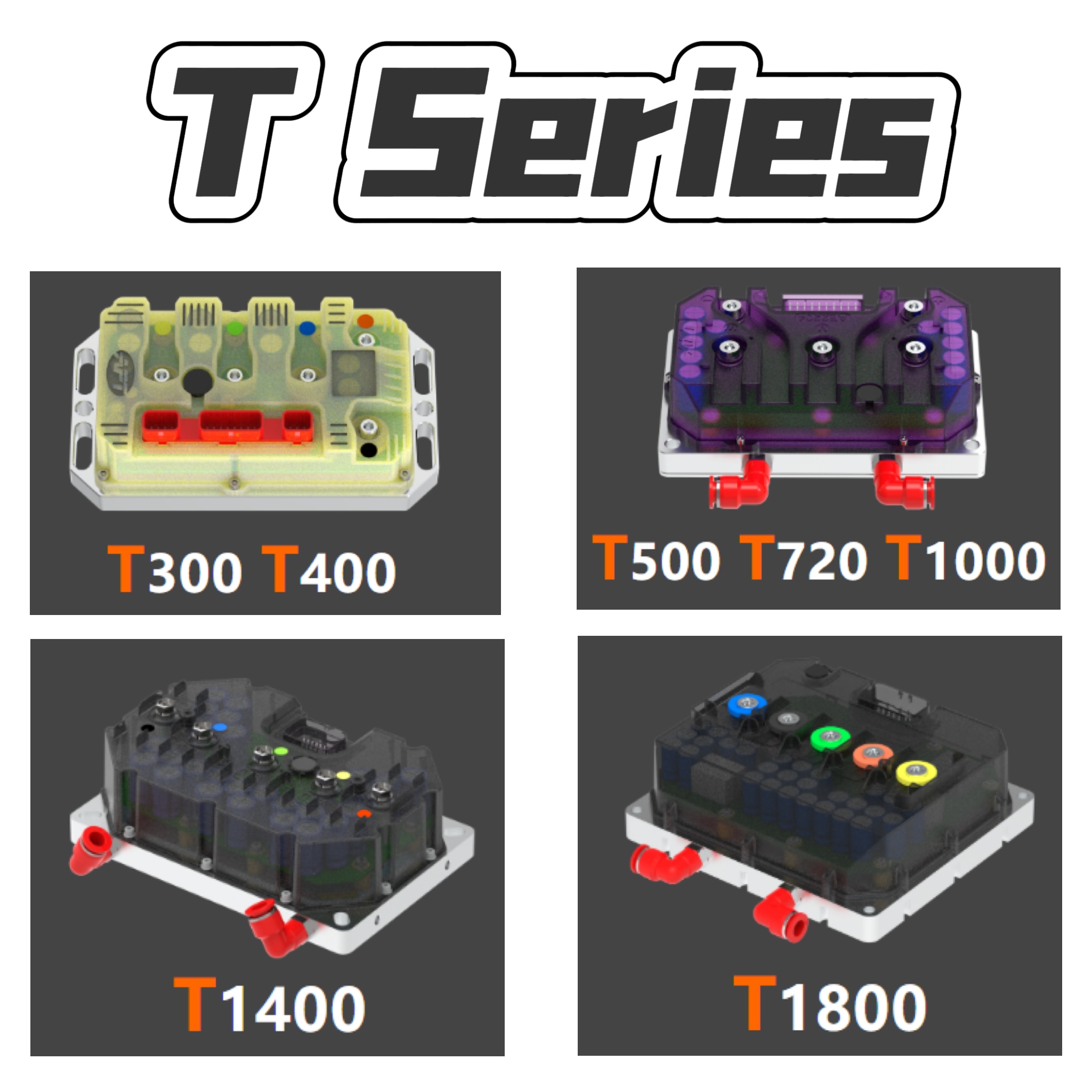
Key Specifications to Evaluate When Choosing an Ebike Motor Controller
Beyond the basic voltage and current ratings, several additional specifications determine a controller's suitability for a given application:
- Electric RPM ceiling — Standard controllers support up to 40,000 ERPM; high-speed variants reach 70,000 or even 100,000 ERPM for high-pole-count motors running at elevated mechanical speeds.
- Regenerative braking support — Advanced controllers offer three modes: brake switch activation, throttle-release regen, and variable 0–5V analog regen input for proportional energy recovery.
- Operating modes — Look for support for torque mode, speed mode, and balanced mode to match the controller's behavior to the intended riding application.
- Programmability — PC-programmable controllers allow adjustment of current limits, assist curves, startup behavior, and protection thresholds. This flexibility is essential for OEM integration and product differentiation.
- Communication interface — CAN bus, UART, or Bluetooth connectivity enables integration with displays, VCU systems, and remote diagnostics — features increasingly expected in mid-to-premium ebike platforms.
- Thermal design — Adequate heat dissipation, whether through passive aluminum housing or active cooling, directly impacts the controller's sustained power output and long-term MOSFET reliability.
Ebike Motor Controllers for OEM and B2B Applications
For manufacturers, mobility startups, and system integrators building electric bikes, motorcycles, ATVs, or other electrified personal transport, the controller selection process differs significantly from the individual consumer use case. OEM buyers must evaluate not only technical specifications but also production consistency, supply chain reliability, customization depth, and post-sales technical support.
Permanent magnet synchronous motor (PMSM) controllers represent the current performance benchmark for demanding electrified vehicle applications. PMSM drives deliver higher power density, better efficiency at partial load, and superior torque control compared to standard BLDC designs — making them the preferred choice for electric motorcycles with speeds above 130 km/h, high-torque cargo platforms, and vehicles requiring precise torque modulation across a wide speed range.
Key considerations for OEM controller procurement include: multi-voltage platform support to enable product line flexibility, in-house embedded software control for customization without IP exposure, and access to engineering support for integration, calibration, and homologation. Exploring purpose-built B2B motor controller solutions designed specifically for vehicle electrification programs is a practical starting point for specification teams evaluating suppliers.
Conclusion
The ebike motor controller is the most technically consequential component in an electric drivetrain. It determines how efficiently the battery's energy reaches the wheels, how the bike responds to rider input, and how long the motor and battery will last over the product's lifecycle. Choosing the right controller — matched to the motor type, voltage architecture, application profile, and performance goals — is the single most impactful specification decision in any ebike build or electrification project.
Whether you are sourcing a single controller for a conversion kit or specifying a high-volume production run for an OEM program, aligning technical requirements with a controller supplier that offers both engineering depth and supply chain reliability is the foundation of a successful outcome.
NEXT:Motor Controller Guide: Types, Selection & Efficiency
Interested in cooperation or have questions?
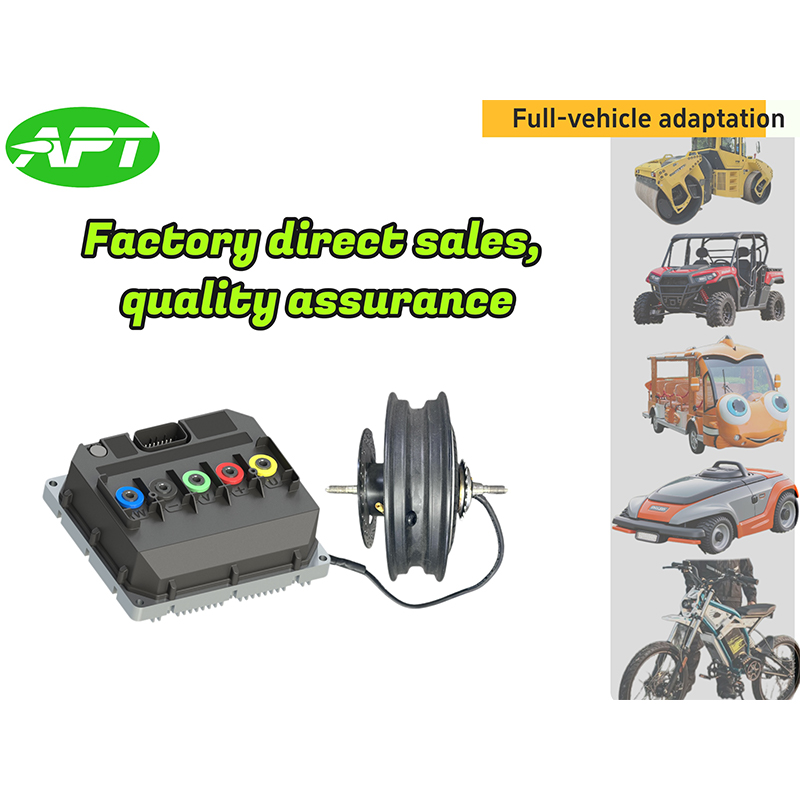
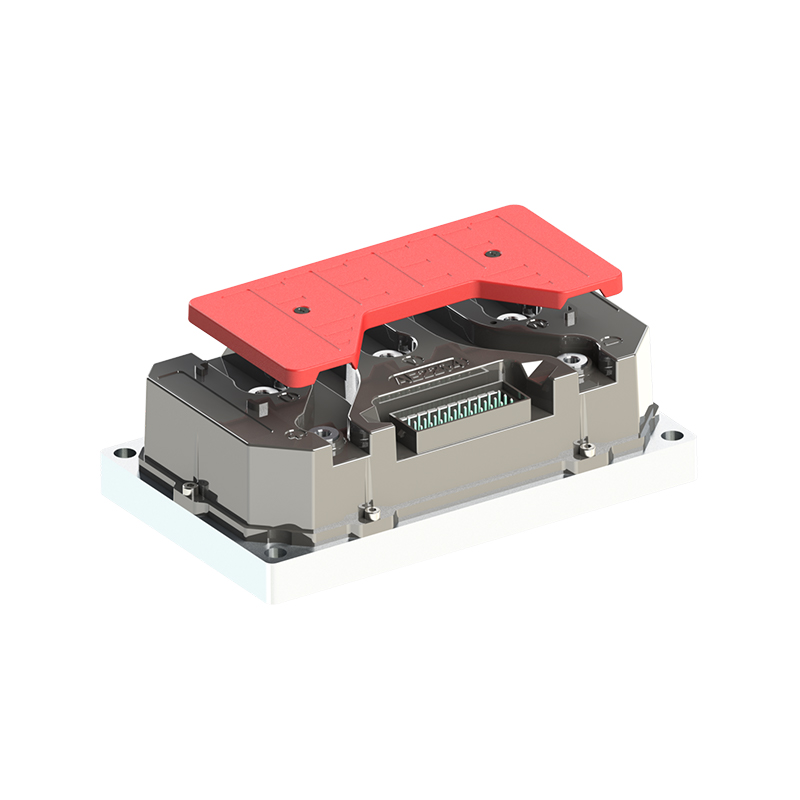
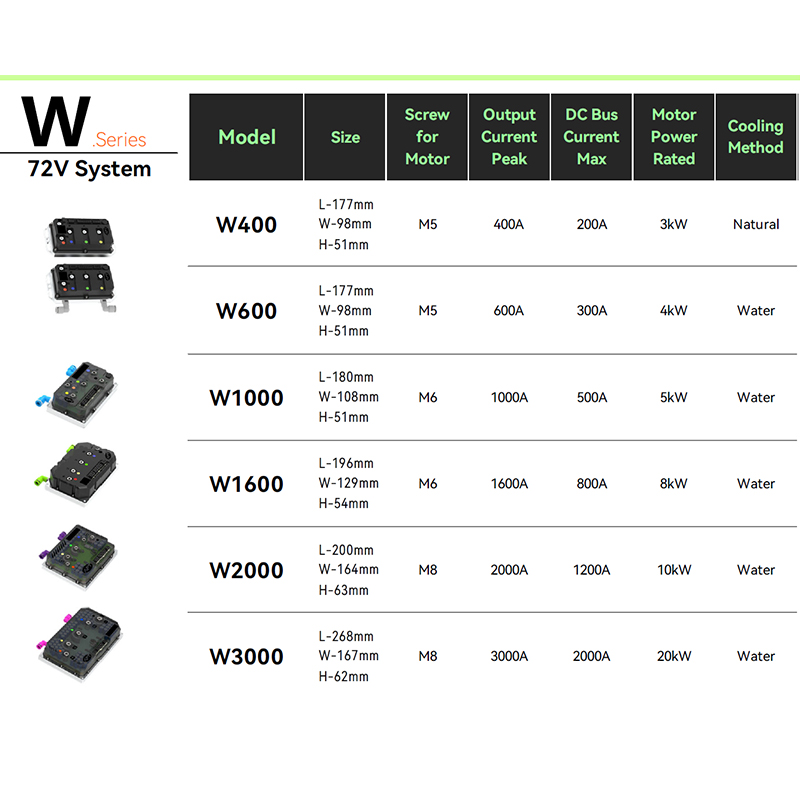
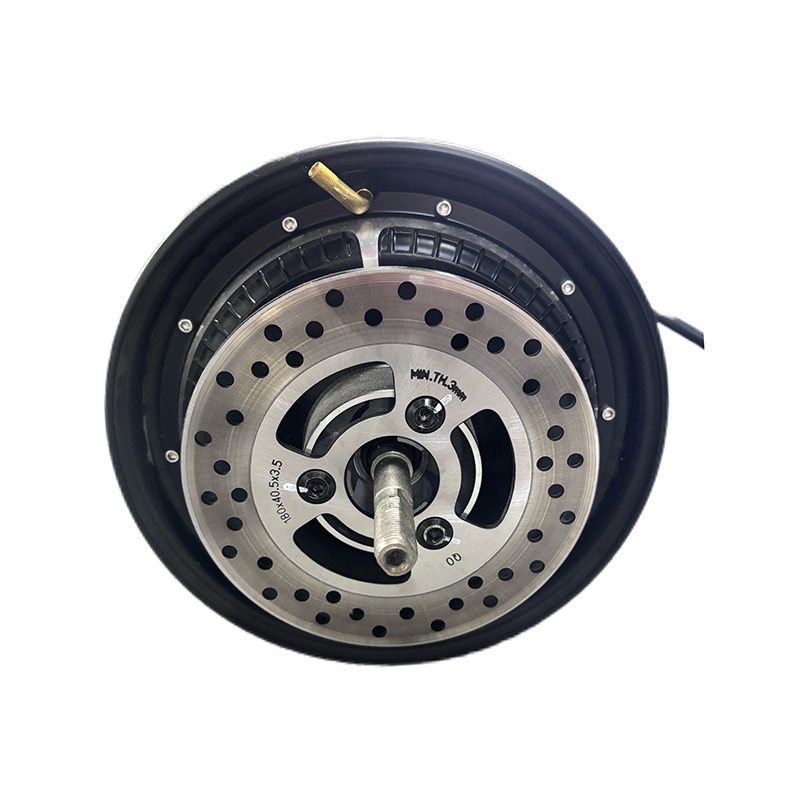
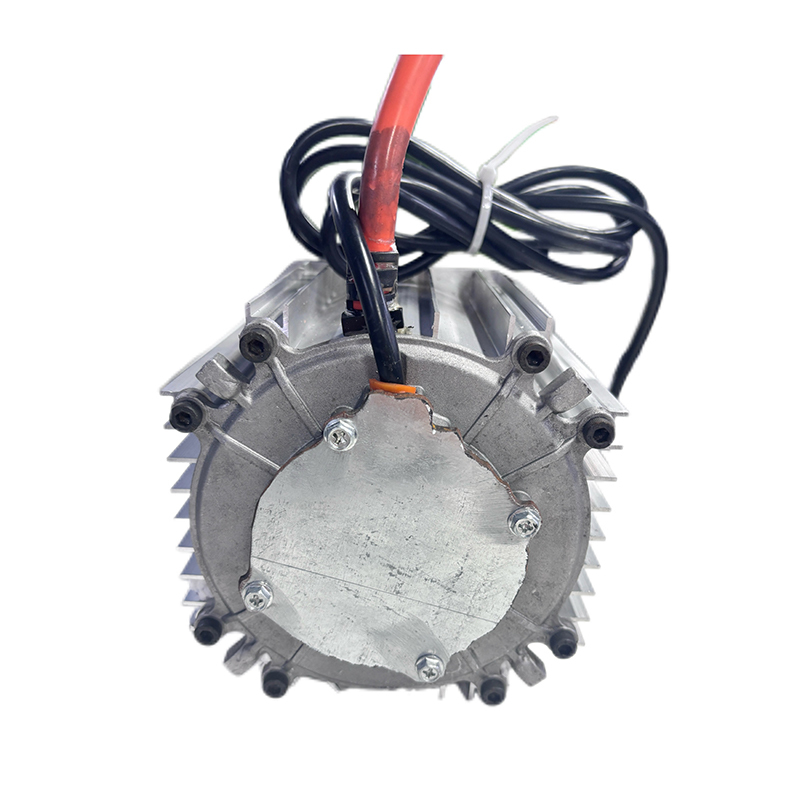

As Custom Permanent Magnet Synchronous Motor Controllers Manufacturers and Permanent Magnet Motor Controllers Suppliers in China, Focusing on the drive control of permanent magnet synchronous motors, we provide a safe and sufficient power source for the electrification of travel vehicles.
- [email protected]
- +86-170 9191 9800
- Room 123A, No. 1000 Ziyue Road, Minhang District, Shanghai, China
Copyright © Shanghai APT Power Technology Co., Ltd.All rights reserved

