 English
 Español
 عربى
عربى
Brushless DC Motor Controllers: Selection, Types & Tuning Guide
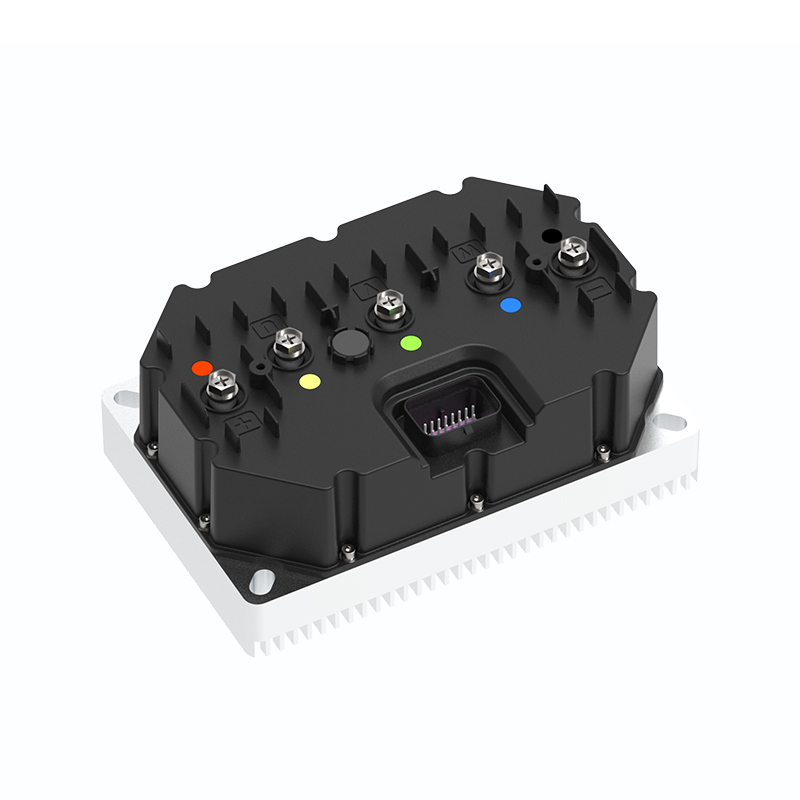
A brushless DC motor controller serves as the intelligent brain of any BLDC system, precisely managing the timing and magnitude of current delivered to the motor windings to generate rotational force. Unlike brushed motors that rely on mechanical commutation, BLDC motors require electronic commutation, making the controller essential for operation. The quality and configuration of the controller directly determine the motor's efficiency, torque response, noise levels, and overall lifespan. For engineers and hobbyists alike, selecting the right controller involves understanding commutation methods, feedback mechanisms, and thermal management capabilities.
The primary advantage of a high-performance brushless DC motor controller is its ability to optimize energy conversion. Advanced controllers can achieve efficiencies exceeding 90%, significantly reducing heat generation and extending battery life in portable applications. By accurately synchronizing the magnetic fields of the stator and rotor, these devices ensure smooth operation across a wide speed range, from low-speed high-torque scenarios to high-speed constant-power applications.
Content
Commutation Methods: Trapezoidal vs. FOC
The method by which a controller switches current through the motor phases is known as commutation. The two dominant techniques are Trapezoidal Commutation (also known as Six-Step or BLDC) and Field-Oriented Control (FOC), also known as Sinusoidal Commutation.
Trapezoidal Commutation
Trapezoidal control is the simpler and more cost-effective method. It energizes two of the three motor phases at any given time, creating a stepped current waveform. This technique is computationally less demanding, allowing for cheaper microcontrollers. It provides good torque at high speeds but suffers from torque ripple at low speeds, resulting in audible noise and vibration. It is ideal for applications like fans, pumps, and simple drones where smoothness is not critical.
Field-Oriented Control (FOC)
FOC is a sophisticated algorithm that controls the magnitude and phase of the current vector independently. By maintaining a 90-degree angle between the stator and rotor magnetic fields, FOC maximizes torque production while minimizing ripple. This results in exceptionally smooth and quiet operation, even at zero or low speeds. While it requires more processing power and precise tuning, FOC is the preferred choice for electric vehicles, robotics, and high-end CNC machines where precision and efficiency are paramount.
| Feature | Trapezoidal (BLDC) | Field-Oriented Control (FOC) |
|---|---|---|
| Complexity | Low | High |
| Torque Ripple | High | Very Low |
| Efficiency | Good | Excellent |
| Cost | Lower | Higher |
Sensorless vs. Sensored Control
To commutate correctly, the controller must know the precise position of the rotor. This information can be obtained through physical sensors or estimated algorithmically.
Sensored Control
Sensored controllers use Hall effect sensors or encoders mounted on the motor to provide real-time rotor position data. This method is highly reliable at low speeds and during startup, offering robust torque control from zero RPM. However, it requires additional wiring and components, increasing system complexity and potential failure points. Sensors are also vulnerable to harsh environments involving high temperatures, moisture, or vibration.
Sensorless Control
Sensorless controllers estimate rotor position by monitoring the Back Electromotive Force (Back-EMF) generated in the unpowered phase or by using high-frequency signal injection. This approach reduces cost, weight, and wiring complexity, making the system more compact and durable. Modern sensorless algorithms have improved significantly, allowing for smooth startup and low-speed operation. However, they may struggle at very low speeds where Back-EMF is negligible, requiring specialized startup routines.
Key Selection Criteria for Controllers
Choosing the appropriate brushless DC motor controller requires matching its specifications to the motor and application requirements. Key parameters include voltage, current, and communication interfaces.
- Voltage Rating: The controller’s maximum voltage must exceed the nominal battery or power supply voltage. Operating near the limit can cause overheating and component failure. A safety margin of 10-20% is recommended.
- Continuous and Peak Current: The continuous current rating determines the sustained torque capability, while the peak current rating handles short-term acceleration loads. Ensure the controller can handle the motor’s maximum phase current without tripping overcurrent protection.
- Thermal Management: High currents generate heat in the MOSFETs. Look for controllers with adequate heatsinking or active cooling fans. Some advanced models include temperature sensors for thermal throttling to prevent damage.
- Communication Interface: Depending on the application, you may need specific interfaces such as PWM, UART, CAN bus, or USB for configuration and real-time control. CAN bus is standard in automotive and industrial robotics for robust network communication.
Tuning and Optimization
Even the best hardware requires proper software tuning to perform optimally. Most modern controllers offer configuration software to adjust PID (Proportional-Integral-Derivative) loops, current limits, and startup behaviors.
Proper PID tuning is critical for responsive and stable control. The proportional gain affects the immediate response to error, the integral gain eliminates steady-state error, and the derivative gain dampens oscillations. Incorrect tuning can lead to motor hunting, overshoot, or instability. Additionally, configuring the correct motor parameters, such as pole pairs, phase resistance, and inductance, allows the controller’s internal model to accurately predict behavior, enhancing the performance of sensorless algorithms and FOC strategies. Regular testing and iterative adjustment are essential to achieve the desired dynamic response.
NEXT:Ebike Motor Controllers: Types, Tuning & Selection Guide
Interested in cooperation or have questions?
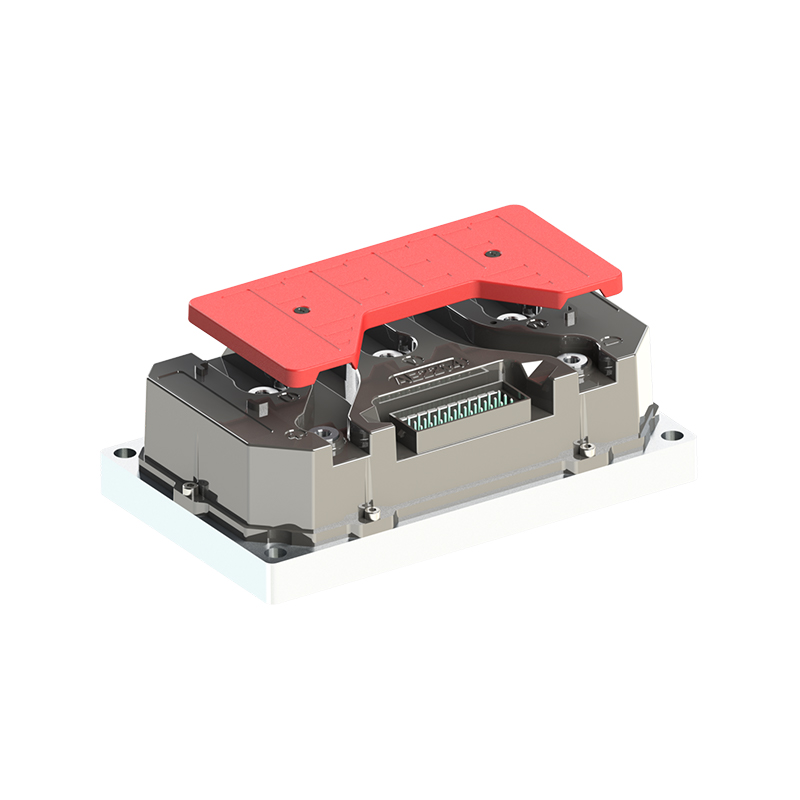
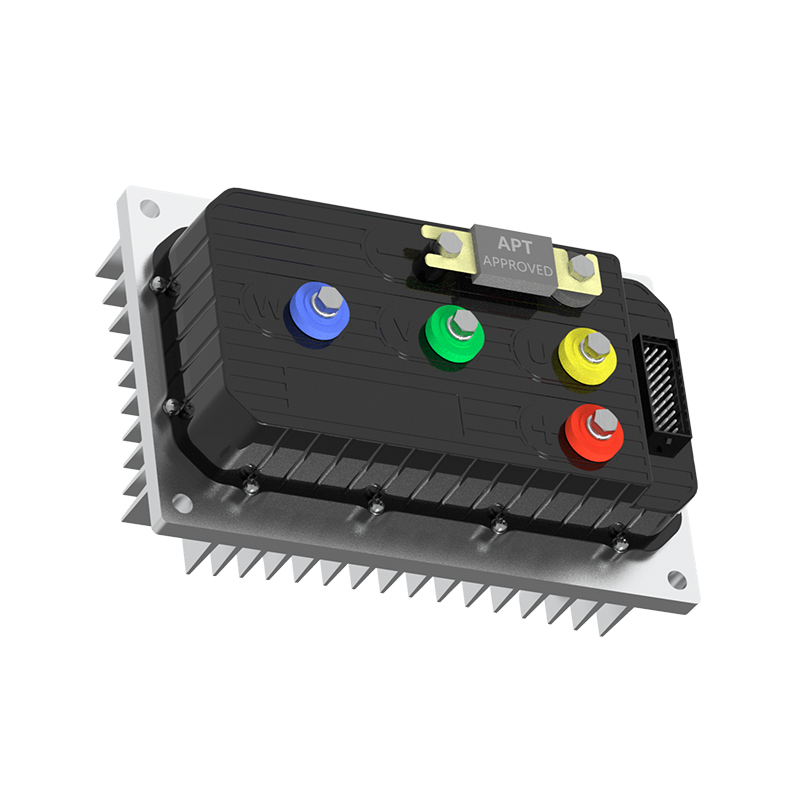
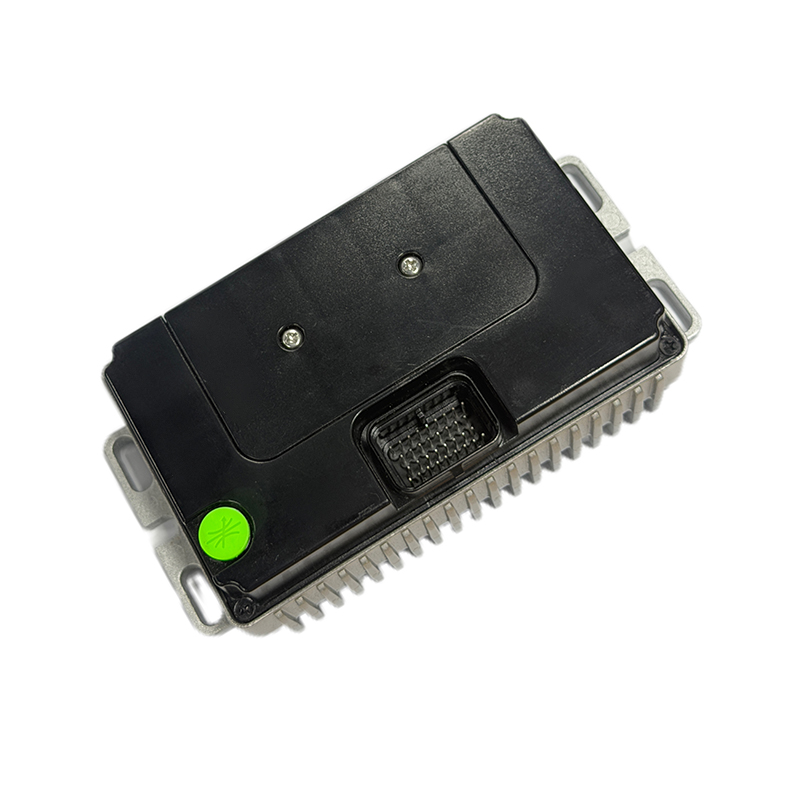
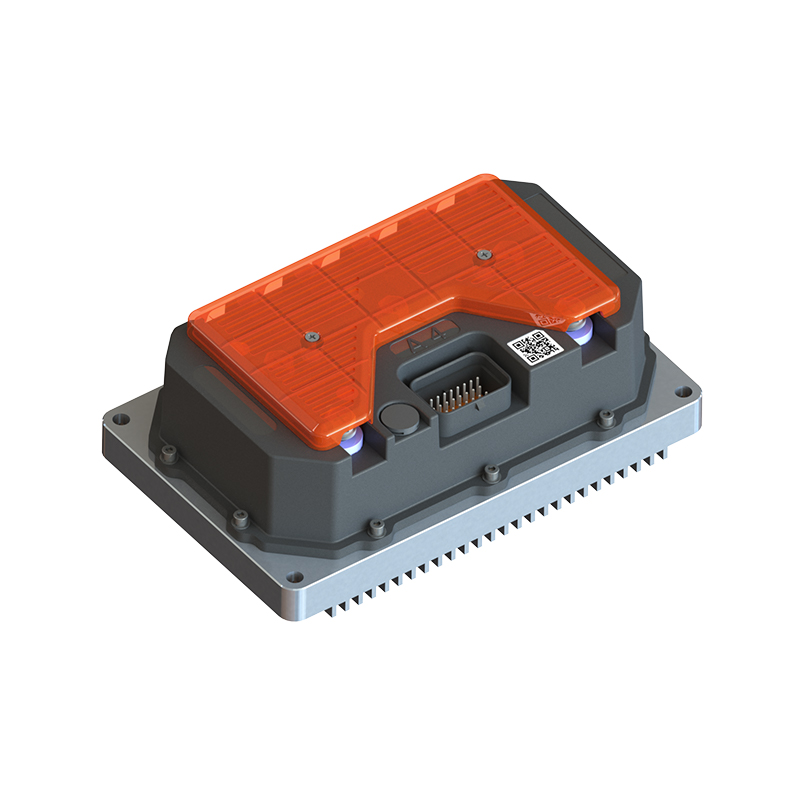

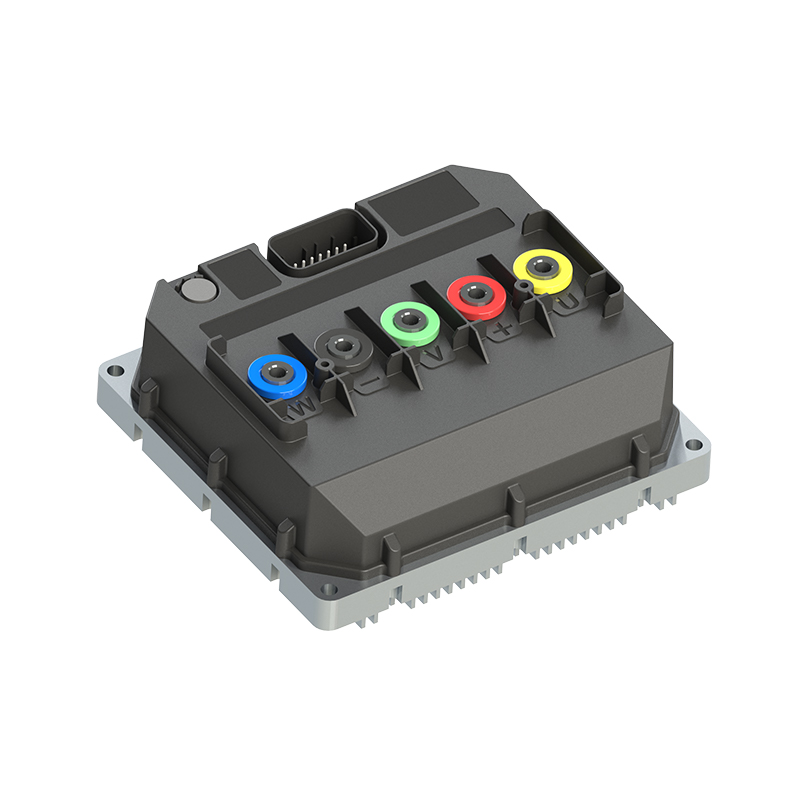

As Custom Permanent Magnet Synchronous Motor Controllers Manufacturers and Permanent Magnet Motor Controllers Suppliers in China, Focusing on the drive control of permanent magnet synchronous motors, we provide a safe and sufficient power source for the electrification of travel vehicles.
- [email protected]
- +86-170 9191 9800
- Room 123A, No. 1000 Ziyue Road, Minhang District, Shanghai, China
Copyright © Shanghai APT Power Technology Co., Ltd.All rights reserved

