 English
 Español
 عربى
عربى
Hub-Motor Performance, Efficiency, and Application Guide
Hub-motor systems provide simple drivetrain architecture, reliable performance, and low maintenance requirements, making them one of the most practical and widely adopted solutions for electric bicycles, scooters, and light electric mobility platforms.
Content
- 1 Why Hub-Motor Systems Deliver Reliable Everyday Performance
- 2 Structural Efficiency and Reduced Mechanical Complexity
- 3 Energy Efficiency Across Different Riding Conditions
- 4 Motor Control Technology and Safety Optimization
- 5 Thermal Performance and Longevity Considerations
- 6 Application Suitability and Design Flexibility
- 7 Long-Term Value of Hub-Motor Technology
Why Hub-Motor Systems Deliver Reliable Everyday Performance
Hub-motor systems integrate the electric motor directly into the wheel hub, eliminating the need for external power transmission components such as chains or belts. This direct-drive configuration reduces mechanical losses and significantly simplifies the overall system structure. In urban commuting scenarios, hub-motor systems consistently achieve high reliability with fewer moving components exposed to wear.
Because the propulsion force is generated directly at the wheel, hub motors maintain stable acceleration and provide predictable handling behavior. This design is especially valuable in high-frequency stop-and-go traffic conditions, where immediate torque response improves riding comfort and safety.
Structural Efficiency and Reduced Mechanical Complexity
Hub-motor architecture removes intermediate transmission systems, which simplifies installation and reduces long-term maintenance costs. The absence of external torque transfer reduces frictional energy losses and eliminates alignment issues associated with traditional drivetrains.
- Direct power transfer increases mechanical efficiency under steady cruising speeds
- Sealed motor housing improves resistance to dust, moisture, and environmental exposure
- Independent wheel power simplifies integration into different vehicle designs
In commuter electric bicycles, hub motors typically support operational lifespans exceeding 20,000 kilometers when paired with optimized motor control and proper thermal management.
Energy Efficiency Across Different Riding Conditions
Hub motors perform particularly well in flat terrain and moderate-speed commuting. Their efficiency is closely tied to maintaining stable motor rotational speeds. Under consistent loads, hub motors can achieve efficiency levels above 85%, particularly when operating near rated speed.
| Riding Condition | Hub-Motor Performance | Energy Efficiency Trend |
|---|---|---|
| Urban commuting | Smooth acceleration | High |
| Constant-speed cruising | Stable operation | Very High |
| Steep hill climbing | Higher current demand | Moderate |
Motor Control Technology and Safety Optimization
The performance and safety of hub motors rely heavily on advanced controller systems. Efficient permanent magnet synchronous motor control ensures smooth acceleration, balanced torque output, and protection against overload or overheating.
Shanghai APT Power Technology Co., Ltd., established in 2010 in Zizhu Science Park, Minhang District, Shanghai, focuses on drive control technology for permanent magnet synchronous motors. As a recognized Shanghai High-Tech Enterprise and a “Specialized, Refined, Characteristic, and Innovative” Technology Enterprise, the company develops control solutions that improve the operational stability and safety of hub-motor electric mobility systems, providing reliable power management for modern electrified transportation.
Thermal Performance and Longevity Considerations
Thermal management is critical in hub-motor systems because the motor is enclosed within the wheel structure. Heat generated during high-load operation must dissipate effectively to prevent efficiency loss or component degradation.
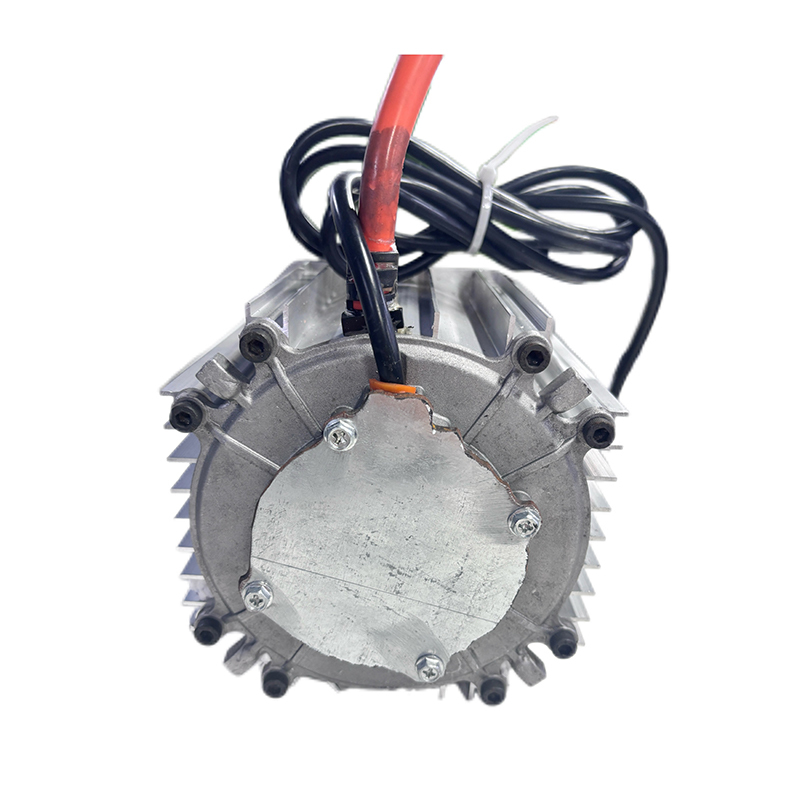
- Aluminum motor housings improve heat conduction
- Intelligent current limiting prevents overheating during sustained climbs
- Integrated temperature sensors support real-time protection algorithms
With optimized cooling strategies, hub motors maintain stable performance even during prolonged operation in high-demand urban delivery or shared mobility fleets.
Application Suitability and Design Flexibility
Hub motors are widely adopted across various electric mobility platforms because they allow designers to maintain traditional bicycle geometry while adding electric assistance. Their modular nature supports both front-wheel and rear-wheel drive configurations, offering flexibility in vehicle balance and traction management.
- Urban commuter bicycles prioritizing simplicity and reliability
- Shared mobility scooters requiring minimal maintenance cycles
- Entry-level electric bikes focused on cost efficiency and easy servicing
These advantages make hub motors one of the most scalable electric propulsion solutions in the global light electric vehicle market.
Long-Term Value of Hub-Motor Technology
Hub motors combine structural simplicity with dependable performance, allowing manufacturers to achieve cost-effective electrification without sacrificing ride stability. Their compatibility with advanced controller technologies further enhances energy efficiency, durability, and rider comfort. For mobility platforms prioritizing reliability and simplified maintenance, hub-motor systems remain one of the most practical and economically sustainable propulsion solutions.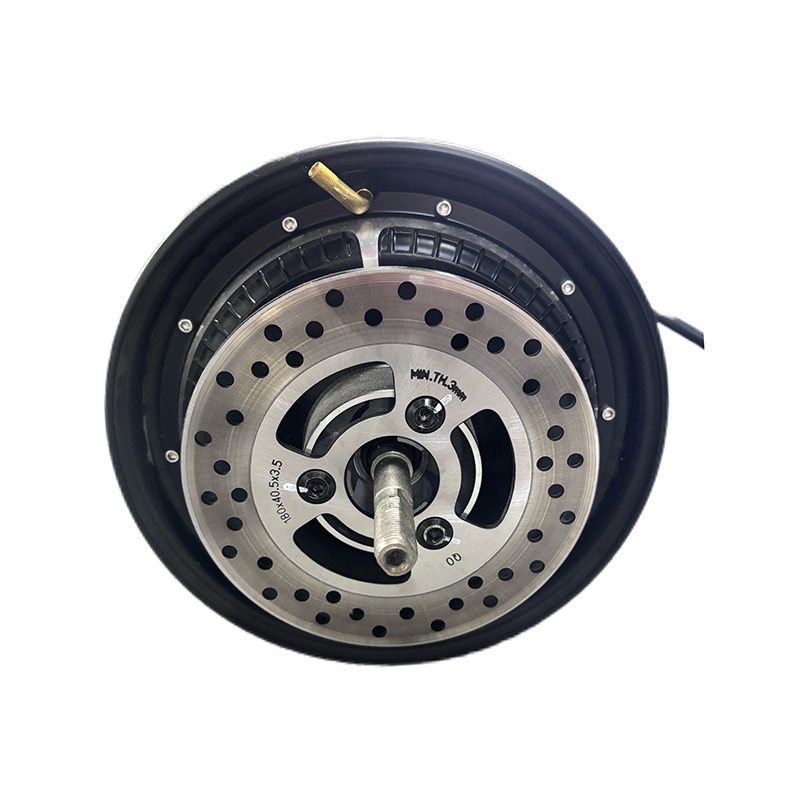
NEXT:Mid-Drive Motor Performance, Efficiency, and Real-World Applications
Interested in cooperation or have questions?

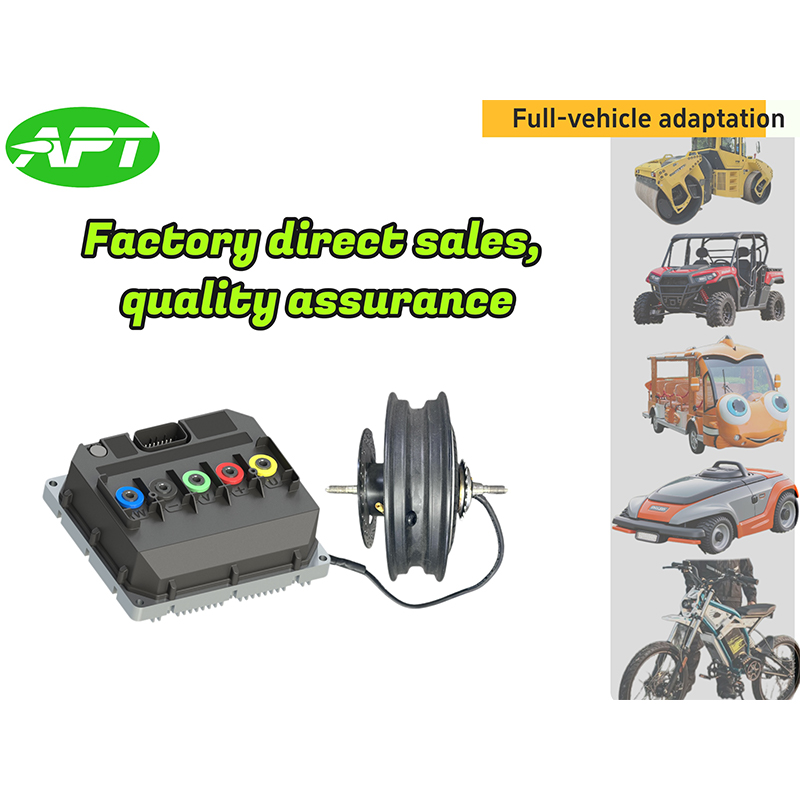
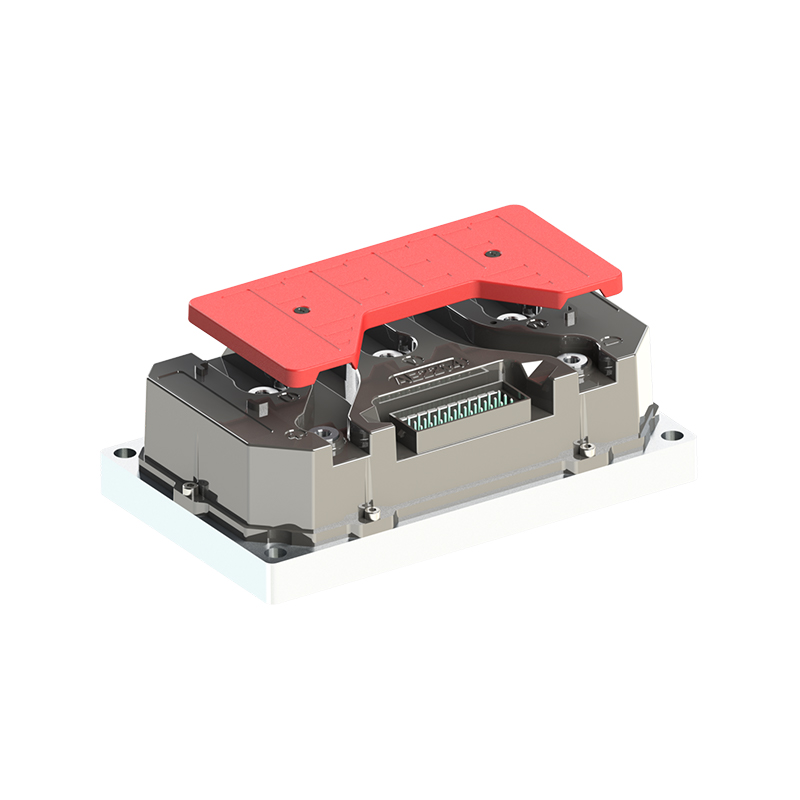
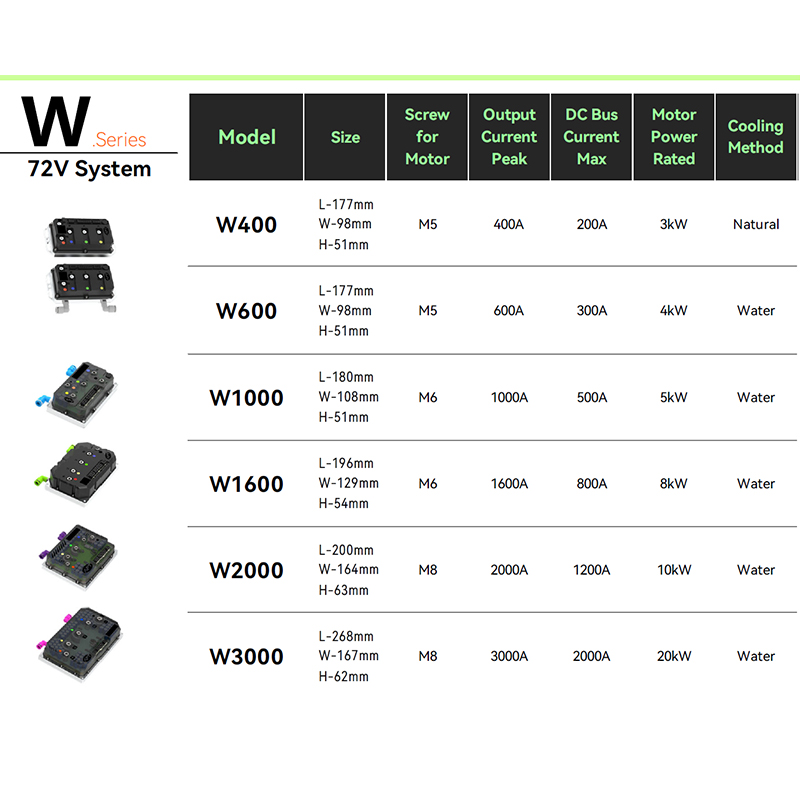

As Custom Permanent Magnet Synchronous Motor Controllers Manufacturers and Permanent Magnet Motor Controllers Suppliers in China, Focusing on the drive control of permanent magnet synchronous motors, we provide a safe and sufficient power source for the electrification of travel vehicles.
- [email protected]
- +86-170 9191 9800
- Room 123A, No. 1000 Ziyue Road, Minhang District, Shanghai, China
Copyright © Shanghai APT Power Technology Co., Ltd.All rights reserved

