 English
 Español
 عربى
عربى
USB-TTL Connection Cable: Guide to Features, Benefits & Applications
Content
What is a USB-TTL Connection Cable?
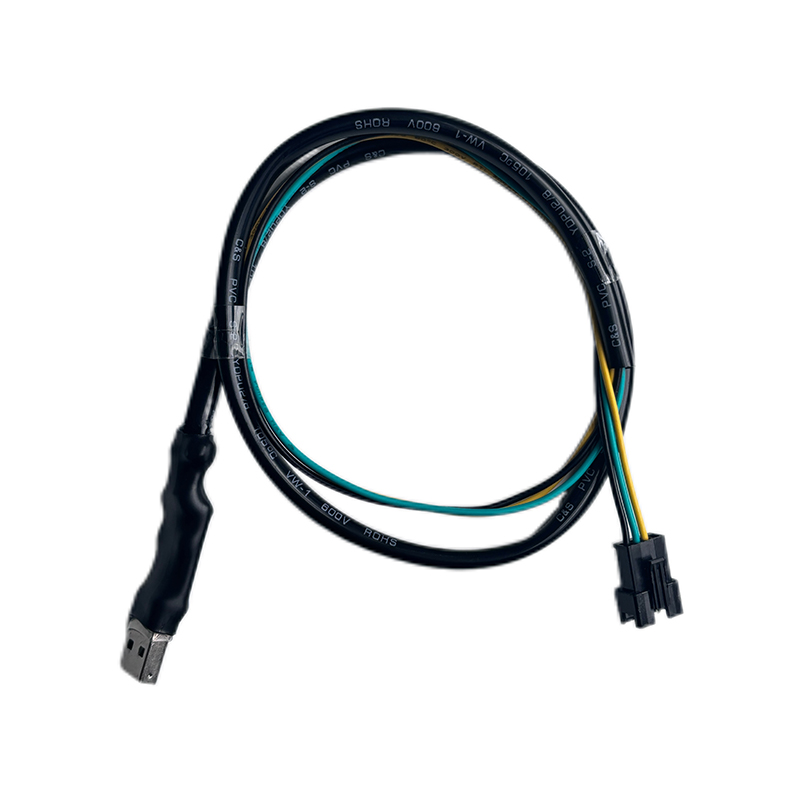
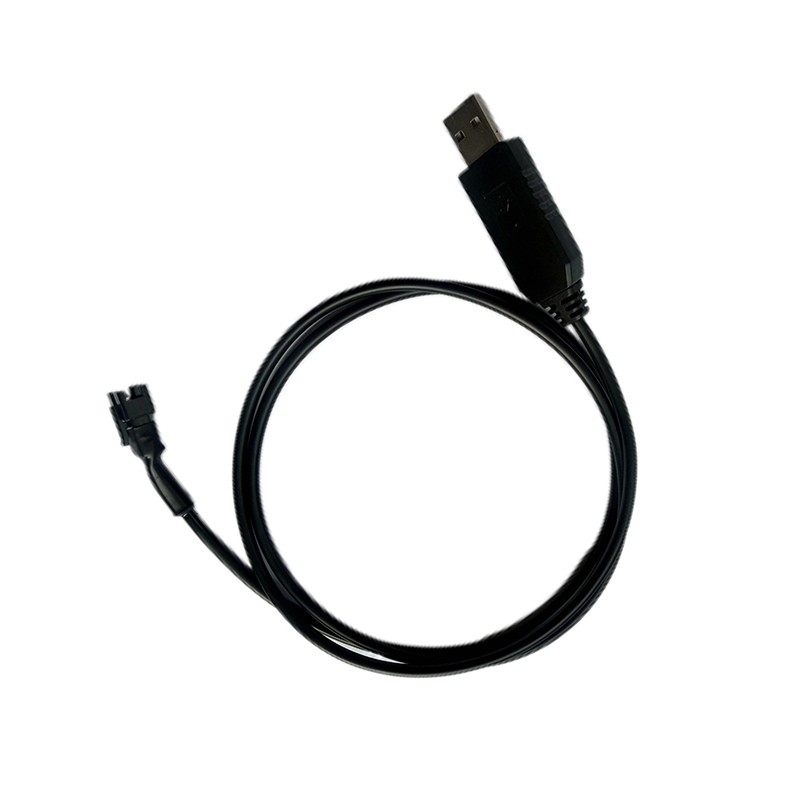
A USB-TTL connection cable is a versatile tool used to establish communication between devices with USB ports and those that use TTL (Transistor-Transistor Logic) signals. It acts as a bridge, enabling data transfer between microcontrollers, development boards, and computers. Typically, these cables convert USB signals to TTL-compatible signals, allowing the user to interact with hardware for programming, debugging, or data exchange.
Key Features of USB-TTL Connection Cables
USB-TTL connection cables come with several notable features that make them indispensable in a variety of technical projects. Some of the primary characteristics include:
- Plug-and-play functionality for easy setup.
- Supports multiple voltage levels, typically 3.3V or 5V.
- Compact and portable design, ideal for mobile and DIY projects.
- Works with a variety of development boards and microcontrollers.
- Widely compatible with operating systems like Windows, Linux, and macOS.
Applications of USB-TTL Cables
USB-TTL connection cables have practical applications across various industries, particularly in embedded systems, electronics, and IoT (Internet of Things). Here are some of the main uses:
- Programming microcontrollers: USB-TTL cables allow developers to upload code to microcontroller boards like Arduino, ESP32, and Raspberry Pi.
- Debugging and monitoring: Engineers use these cables to interface with embedded systems and debug software or hardware issues.
- IoT applications: Used to connect various sensors and devices to microcontrollers for Internet of Things projects.
- Serial communication: Enables data transfer between devices that communicate over serial protocols like UART (Universal Asynchronous Receiver-Transmitter).
How to Choose the Right USB-TTL Cable?
Selecting the right USB-TTL connection cable depends on several factors. Key considerations include:
- Voltage requirements: Ensure the cable supports the voltage levels compatible with your device, typically 3.3V or 5V.
- Cable length: Choose a cable length that suits your project requirements without causing excess slack or tension.
- Connector type: Consider whether your project needs specific connectors like female-to-female, male-to-female, or male-to-male.
- Data transfer speed: Some applications, like high-speed data logging, may require cables that support faster transfer rates.
Advantages of Using USB-TTL Cables
USB-TTL cables offer several distinct advantages for engineers and hobbyists alike. These benefits include:
- Easy-to-use: No need for complex setups, drivers, or configuration, making it user-friendly for beginners.
- Cost-effective: These cables are often affordable, providing a great solution for both professional and DIY projects.
- Highly versatile: They are compatible with a range of microcontrollers, making them suitable for various applications.
Conclusion
USB-TTL connection cables are essential tools for developers, engineers, and hobbyists looking to interface with microcontrollers, debug systems, or enable communication between devices using TTL protocols. Their simplicity, versatility, and affordability make them a top choice for a variety of technical applications, from embedded systems to IoT projects.
NEXT:Hub Motor: Types, Specs, Applications & Buying Guide
Interested in cooperation or have questions?
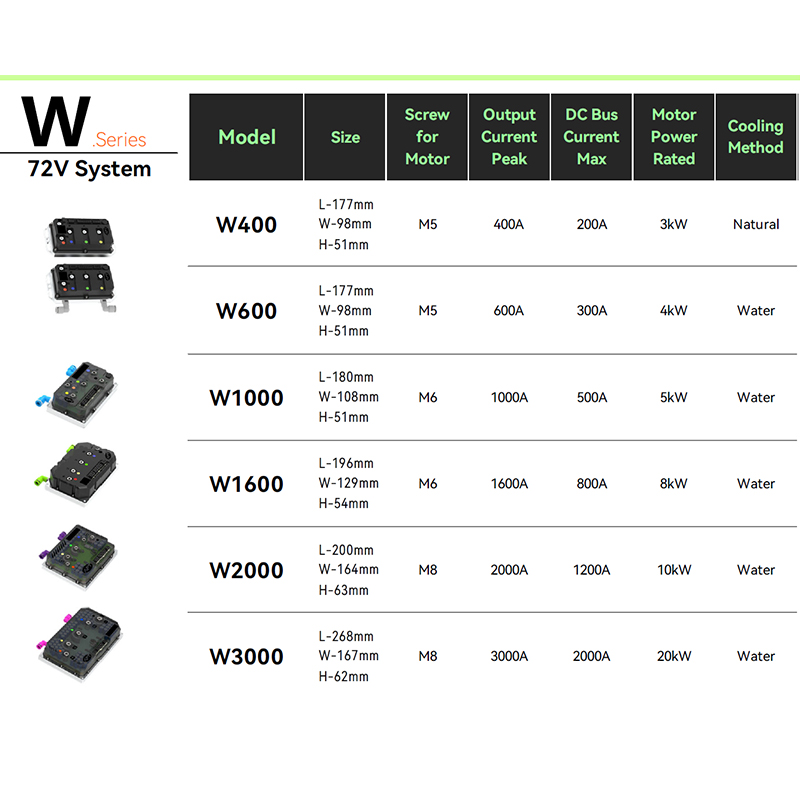
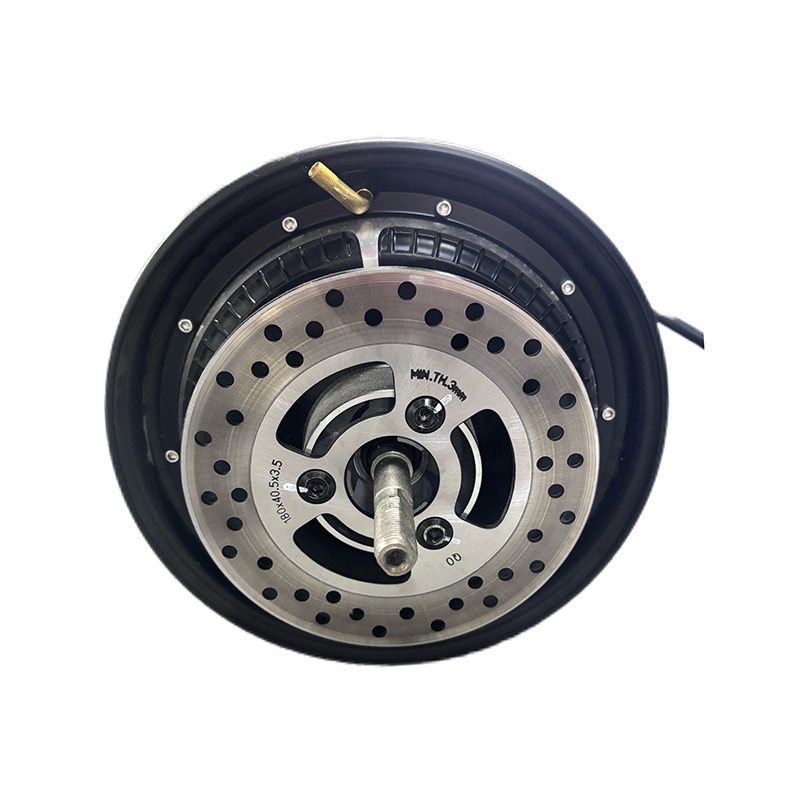
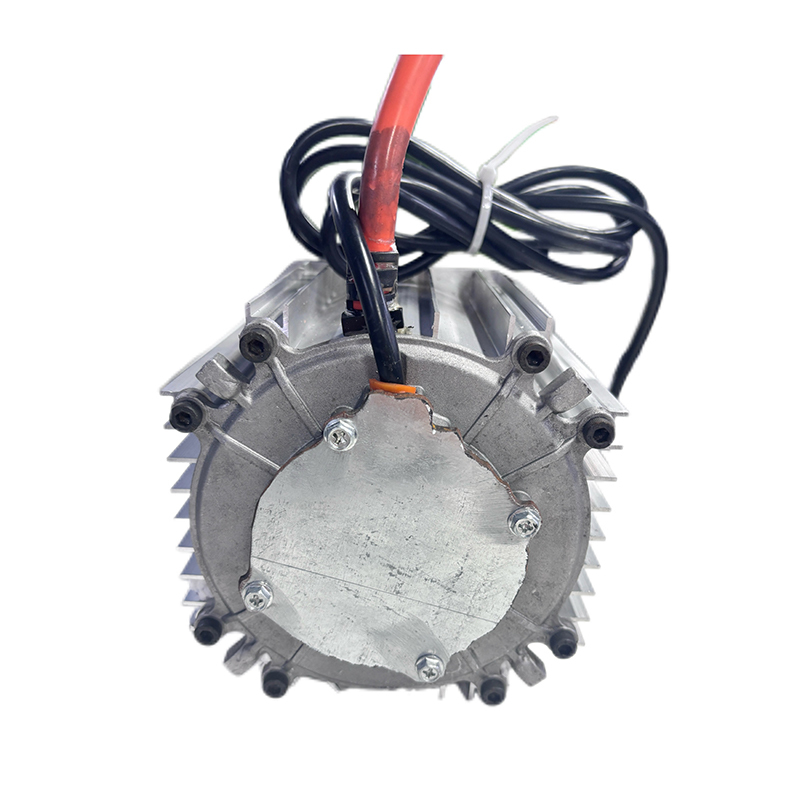

As Custom Permanent Magnet Synchronous Motor Controllers Manufacturers and Permanent Magnet Motor Controllers Suppliers in China, Focusing on the drive control of permanent magnet synchronous motors, we provide a safe and sufficient power source for the electrification of travel vehicles.
- [email protected]
- +86-170 9191 9800
- Room 123A, No. 1000 Ziyue Road, Minhang District, Shanghai, China
Copyright © Shanghai APT Power Technology Co., Ltd.All rights reserved

