 English
 Español
 عربى
عربى
Motor Controller Guide: Types, Selection & Efficiency
A motor controller is the critical interface between power sources and electric motors, regulating speed, torque, and direction to optimize performance and energy efficiency. Selecting the right controller depends on the motor type—such as AC induction, DC brushed, or brushless DC (BLDC)—and the specific application requirements like precision, load variability, and environmental conditions. Modern controllers utilize advanced algorithms like Field-Oriented Control (FOC) to achieve 95%+ efficiency, reducing operational costs and extending equipment lifespan through soft-start capabilities and real-time fault monitoring.
Content
Core Technologies and Control Methods
The effectiveness of a motor controller is defined by its method of modulating power. Different technologies offer varying levels of precision and complexity.
Variable Frequency Drives (VFDs)
VFDs are the standard for controlling AC induction motors. They adjust the frequency and voltage supplied to the motor, allowing for precise speed control. By matching motor speed to load requirements, VFDs can reduce energy consumption by 20-50% in variable torque applications like fans and pumps. They also provide soft-start features, reducing mechanical stress on gears and belts during startup.
Pulse Width Modulation (PWM)
PWM is a technique used in DC and BLDC motor controllers to simulate analog voltage levels by rapidly switching power on and off. The duty cycle—the ratio of on-time to total cycle time—determines the average voltage. High-frequency PWM (above 20 kHz) ensures smooth motor operation and minimizes audible noise, making it ideal for robotics and electric vehicles where precision and quiet operation are paramount.
Selecting the Right Controller for Your Application
Choosing a motor controller requires balancing performance needs with budget and environmental constraints. Key factors include current rating, voltage compatibility, and control interface.
| Controller Type | Best For | Key Advantage |
|---|---|---|
| AC Variable Frequency Drive | HVAC, Conveyors, Pumps | High energy savings, robust for heavy loads |
| DC Brushed Controller | Simple Robotics, Automotive | Low cost, simple wiring and control |
| BLDC/FOC Controller | Drones, EVs, CNC Machines | High efficiency, precise torque/speed control |
| Servo Drive | Industrial Automation, Robotics | Ultra-high precision positioning |
When sizing a controller, always account for peak current demands. A controller rated for continuous current may fail if subjected to frequent start-stop cycles that generate high inrush currents. It is recommended to select a controller with a peak current rating at least 1.5 times the motor's maximum expected load.
Integration and Communication Protocols
Modern industrial systems require motor controllers to communicate seamlessly with PLCs, HMIs, and IoT platforms. The choice of communication protocol impacts system responsiveness and data visibility.
Analog vs. Digital Control
Traditional analog inputs (0-10V or 4-20mA) are simple but susceptible to electrical noise and signal degradation over long distances. Digital protocols like Modbus RTU, CANopen, and EtherCAT offer robust, noise-immune communication. EtherCAT, for instance, allows for cycle times below 100 microseconds, enabling synchronized multi-axis motion control essential for high-speed packaging and assembly lines.
Safety Features and Protection
Advanced controllers integrate safety functions such as Safe Torque Off (STO), which prevents accidental startup during maintenance. Over-current, over-voltage, and over-temperature protection are standard, but look for controllers with predictive diagnostics. These systems monitor heat sink temperature and current harmonics to alert operators of potential failures before they occur, minimizing unplanned downtime.
Installation and Maintenance Best Practices
Proper installation ensures reliability and longevity. Electrical noise and heat are the primary enemies of motor controllers.
- Heat Management: Mount controllers in well-ventilated enclosures. Ensure adequate clearance around heat sinks, typically 10-15 cm, to allow for natural convection or forced air cooling. Ambient temperatures should not exceed 40°C (104°F) without derating.
- Electromagnetic Interference (EMI): Use shielded cables for motor connections and ground them at both ends. Separate power cables from control signal wires to prevent noise coupling, which can cause erratic behavior or communication errors.
- Regular Inspection: Periodically check terminal tightness, as vibration can loosen connections, leading to arcing and overheating. Inspect capacitors for bulging or leakage, especially in older units, as they are common failure points.
NEXT:USB-TTL Connection Cable: Guide to Features, Benefits & Applications
Interested in cooperation or have questions?
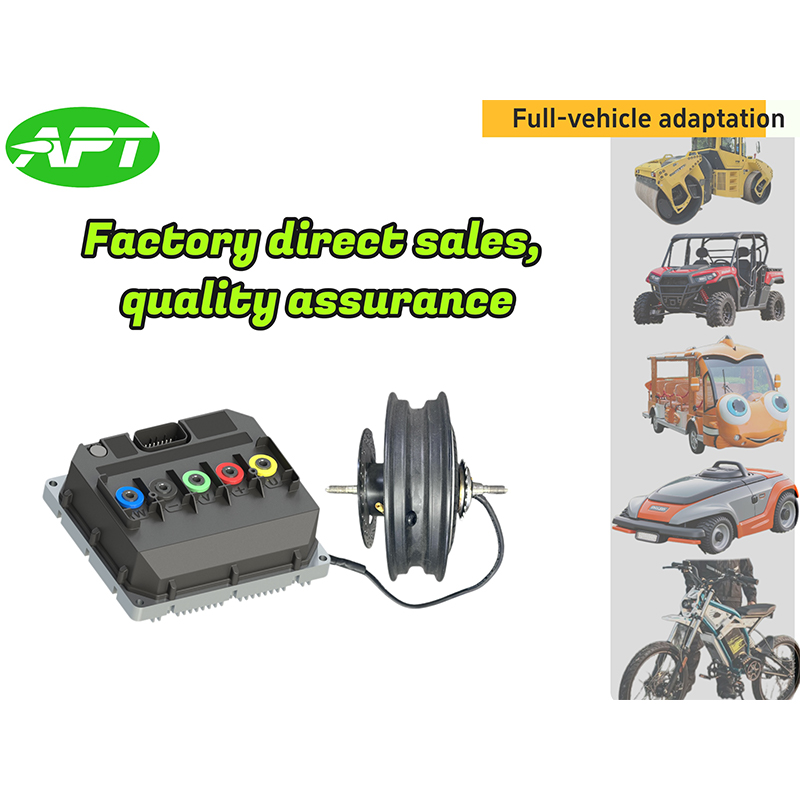
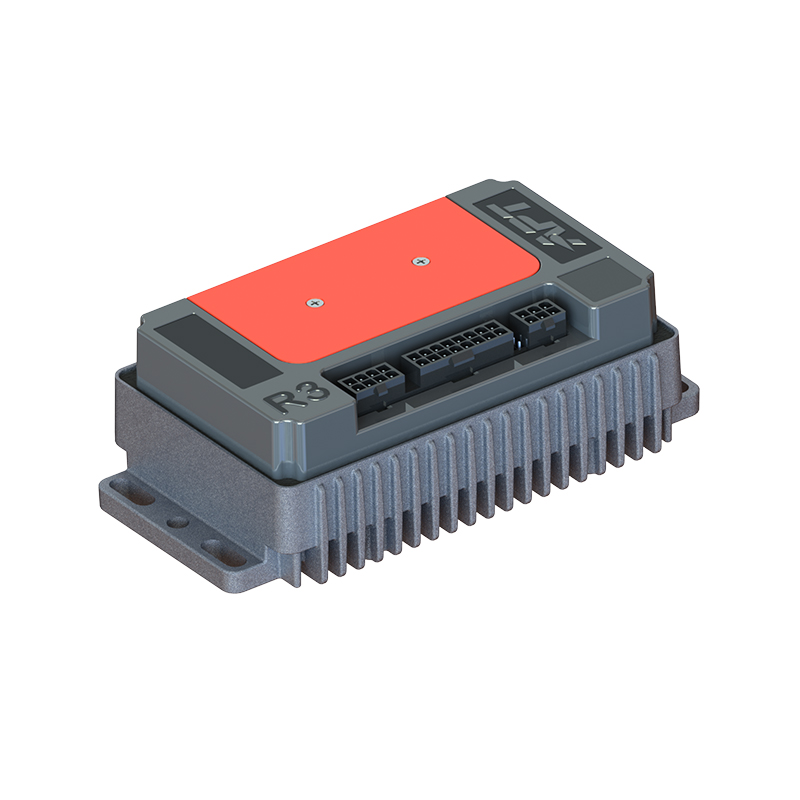
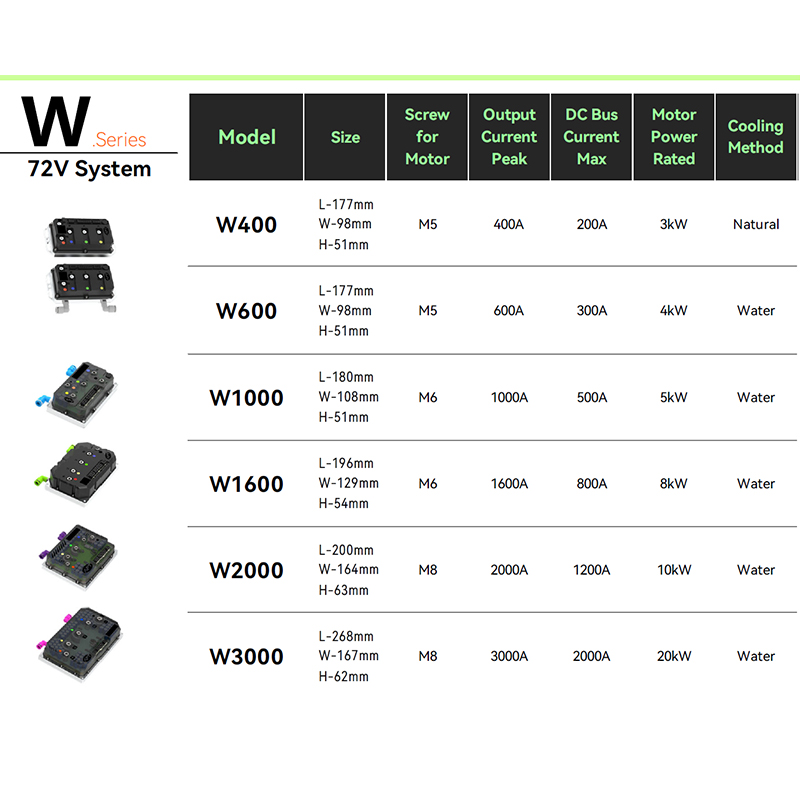
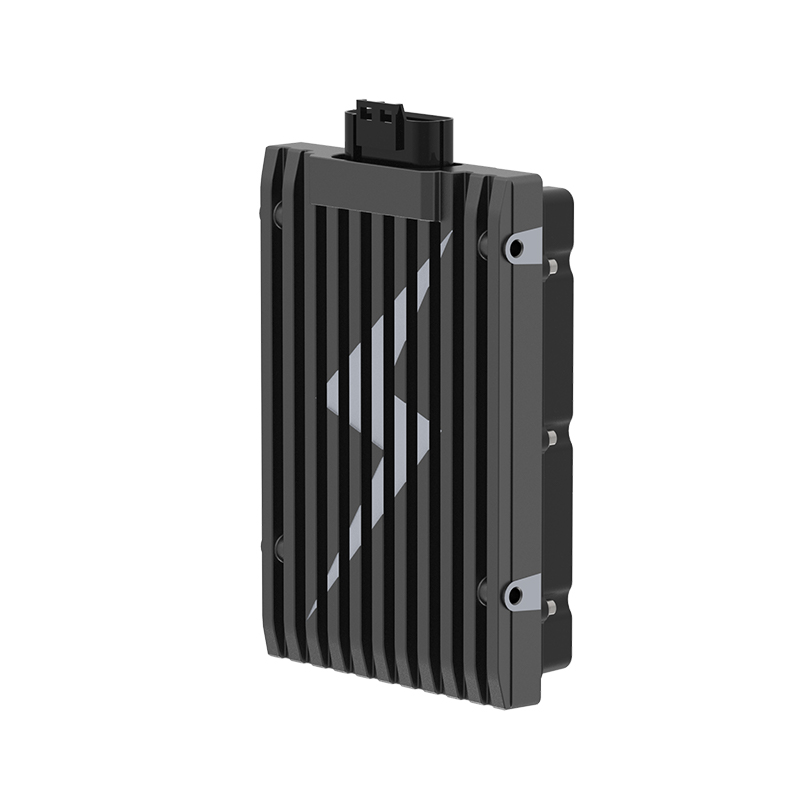
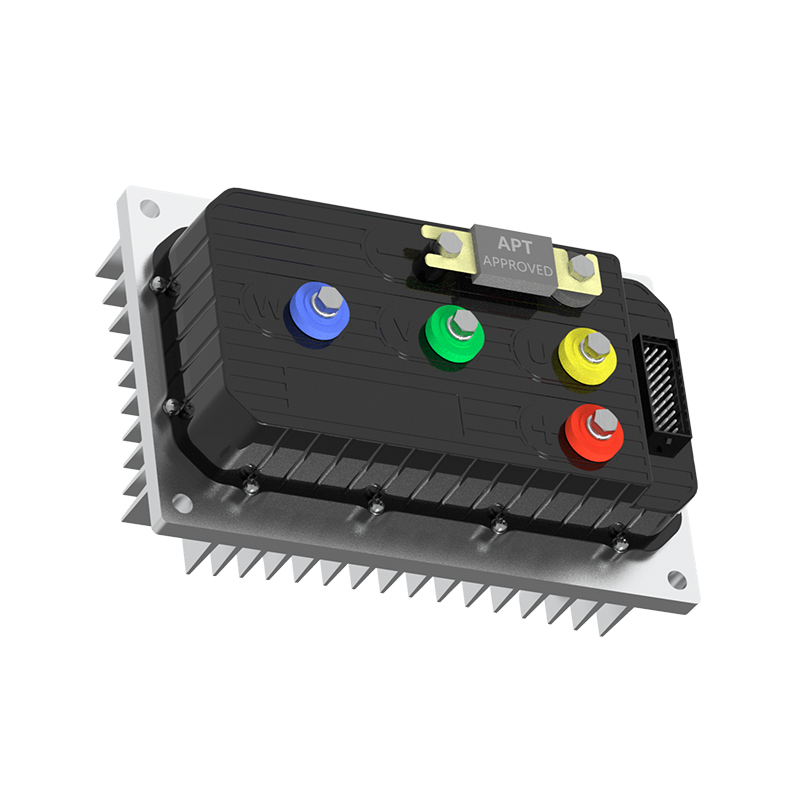

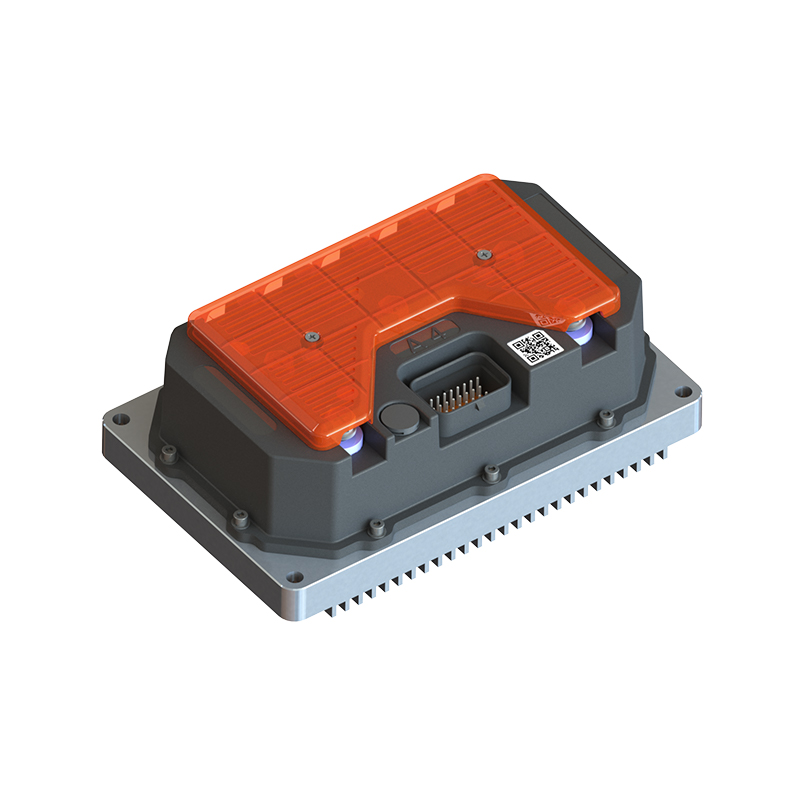
As Custom Permanent Magnet Synchronous Motor Controllers Manufacturers and Permanent Magnet Motor Controllers Suppliers in China, Focusing on the drive control of permanent magnet synchronous motors, we provide a safe and sufficient power source for the electrification of travel vehicles.
- [email protected]
- +86-170 9191 9800
- Room 123A, No. 1000 Ziyue Road, Minhang District, Shanghai, China
Copyright © Shanghai APT Power Technology Co., Ltd.All rights reserved

