 English
 Español
 عربى
عربى
Mid-drive Motor Guide: Efficiency, Torque & Maintenance
A mid-drive motor is widely regarded as the superior propulsion system for high-performance electric bicycles, offering unmatched efficiency, torque management, and handling dynamics. Positioned at the bicycle’s bottom bracket, this motor drives the crankset directly, leveraging the bike’s existing gear ratios to optimize power delivery. This configuration allows riders to maintain optimal cadence and motor efficiency across varied terrains, from steep climbs to flat highways.
For cyclists seeking maximum range and climbing capability, the mid-drive architecture is the definitive choice. By utilizing the drivetrain, these motors can achieve 20-30% greater energy efficiency on hilly routes compared to hub-drive alternatives. Furthermore, the centralized weight distribution significantly improves bike handling, making mid-drives ideal for technical mountain biking and agile urban commuting.
Content
Mechanical Advantage and Torque Multiplication
The core benefit of a mid-drive motor lies in its ability to multiply torque through the bicycle’s gears. Unlike hub motors, which apply force directly to the wheel, a mid-drive sends power through the chain and cassette. This allows the motor to operate within its most efficient RPM range regardless of the bike’s speed.
Gearing for Climbing
When ascending a steep gradient, a rider shifts into a lower gear. In a mid-drive system, this reduces the load on the motor while increasing the torque delivered to the rear wheel. For instance, a motor producing 80 Nm of torque can effectively deliver over 150 Nm to the wheel when using a low gear ratio. This capability enables mid-drive e-bikes to conquer gradients exceeding 20% with ease, a task that often stalls hub-driven systems.
Efficiency at Variable Speeds
Electric motors have a specific "sweet spot" for efficiency. Hub motors are fixed to the wheel speed, meaning they often operate inefficiently at low speeds or during acceleration. Mid-drives, however, can maintain high internal RPMs by shifting gears, ensuring the motor stays in its peak efficiency zone. This results in extended battery range, particularly in stop-and-go urban environments or rolling terrain.
Handling Dynamics and Weight Distribution
The placement of the motor significantly impacts the bicycle’s center of gravity and overall ride quality. Mid-drive systems centralize the mass low on the frame, leading to a more natural and agile riding experience.
| Feature | Mid-Drive Motor | Rear Hub Motor |
|---|---|---|
| Center of Gravity | Low and Central | High and Rear-Biased |
| Unsprung Weight | Low (Better Suspension) | High (Reduced Traction) |
| Cornering Stability | Agile and Predictable | Heavier Feel |
| Wheel Removal | Easy (Standard Wheel) | Difficult (Heavy/Connected) |
By keeping the weight centered, mid-drive bikes mimic the handling characteristics of traditional bicycles. This is particularly beneficial for off-road riding, where quick direction changes and body English are required. The reduced unsprung weight also allows the suspension to react more effectively to bumps, improving traction and comfort.
Drivetrain Wear and Maintenance Considerations
While mid-drive motors offer superior performance, they place additional stress on the bicycle’s drivetrain. Understanding this trade-off is crucial for long-term ownership and maintenance planning.
Increased Chain and Cassette Stress
The motor’s torque passes through the chain, accelerating wear on the chainrings, cassette, and chain. Riders may need to replace chains every 1,000 to 2,000 miles, depending on riding style and terrain. Using high-quality, e-bike-specific chains (such as those reinforced with nickel plating) and narrow-wide chainrings can mitigate this issue.
Best Practices for Longevity
To extend drivetrain life, riders should adopt specific habits:
- Shift gears before applying heavy throttle to reduce load on the derailleur.
- Use a clutch-equipped rear derailleur to stabilize the chain and prevent drops.
- Clean and lubricate the chain regularly to prevent abrasive wear from dirt and grit.
Modern mid-drive systems often include torque sensors that smooth out power delivery, reducing the sudden shocks that cause chain breakage. Investing in a robust drivetrain component set is essential for maximizing the reliability of a mid-drive e-bike.
Ideal Use Cases for Mid-Drive Systems
Not every rider needs the complexity of a mid-drive. However, for specific scenarios, it is the only viable option. Identifying your primary riding environment will determine if this technology is worth the premium.
Mountain Biking and Off-Road
For trail riding, the combination of low center of gravity and high torque multiplication is unbeatable. Mid-drives allow riders to climb technical, steep sections that would stall a hub motor. The balanced weight distribution also improves descent control, making it safer and more enjoyable.
Hilly Commuting and Touring
Commuters in cities with significant elevation changes benefit immensely from mid-drives. The ability to downshift and maintain momentum up steep grades without draining the battery excessively ensures consistent arrival times and reduced rider fatigue. For long-distance touring, the efficiency gains translate directly into greater range per charge.
In conclusion, a mid-drive motor offers the highest level of performance and integration for cyclists who value handling, efficiency, and climbing capability. While it requires more attentive drivetrain maintenance, the ride quality and versatility it provides are unmatched by hub-drive systems.
NEXT:Brushless DC Motor Controllers: Selection, Types & Tuning Guide
Interested in cooperation or have questions?

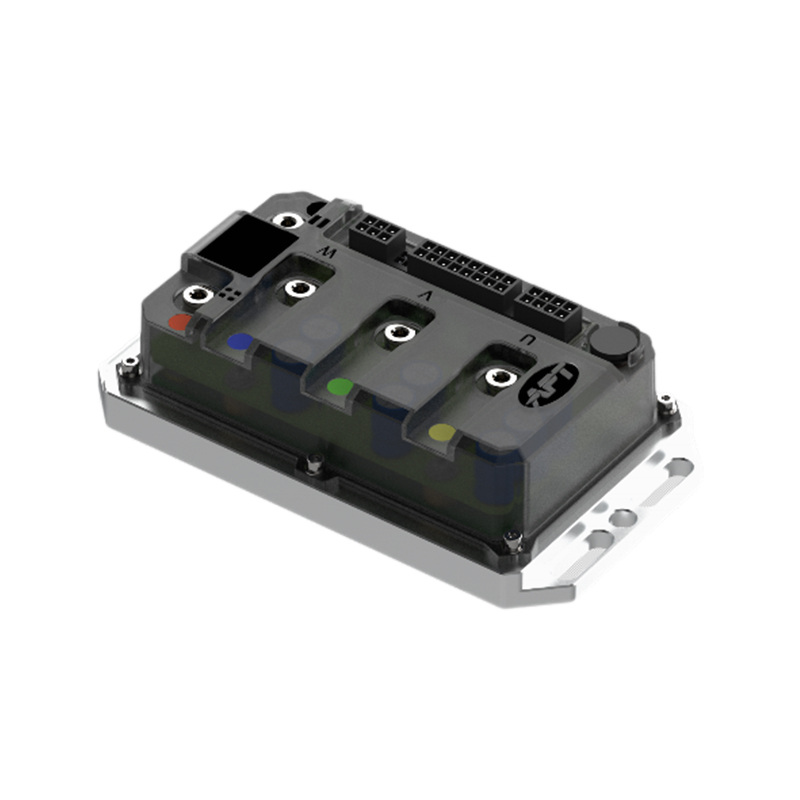
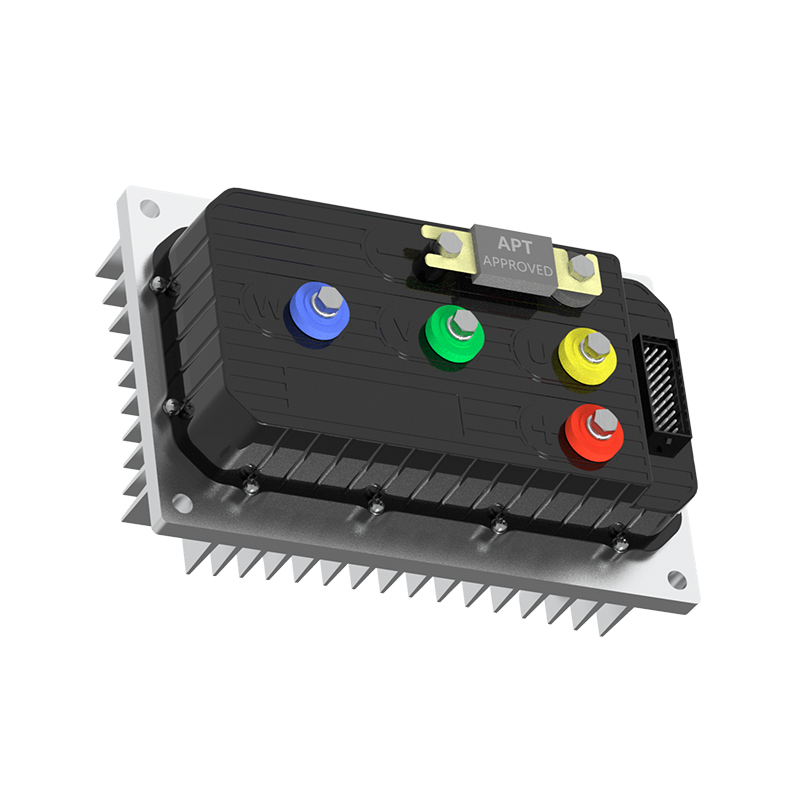
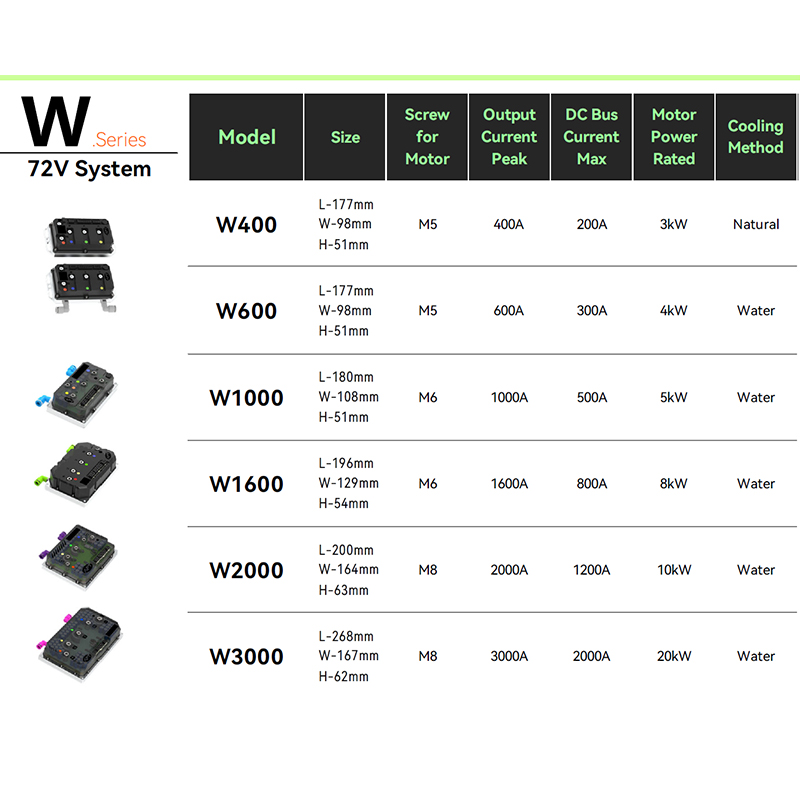

As Custom Permanent Magnet Synchronous Motor Controllers Manufacturers and Permanent Magnet Motor Controllers Suppliers in China, Focusing on the drive control of permanent magnet synchronous motors, we provide a safe and sufficient power source for the electrification of travel vehicles.
- [email protected]
- +86-170 9191 9800
- Room 123A, No. 1000 Ziyue Road, Minhang District, Shanghai, China
Copyright © Shanghai APT Power Technology Co., Ltd.All rights reserved

