Industry knowledge
Electric Bike Controllers: Key Features and Advancements
Electric bikes (ebikes) have become a popular mode of transportation due to their efficiency, environmental benefits, and convenience. Shanghai APT Power Technology Co., Ltd., established in 2010, specializes in providing advanced motor control solutions, particularly for the electrification of mobility vehicles such as electric bicycles. Their expertise in electric bike controllers plays a significant role in optimizing performance, safety, and overall efficiency. This section explores the critical features and technological advancements in electric bike controllers.
Essential Functions of an Electric Bike Controller
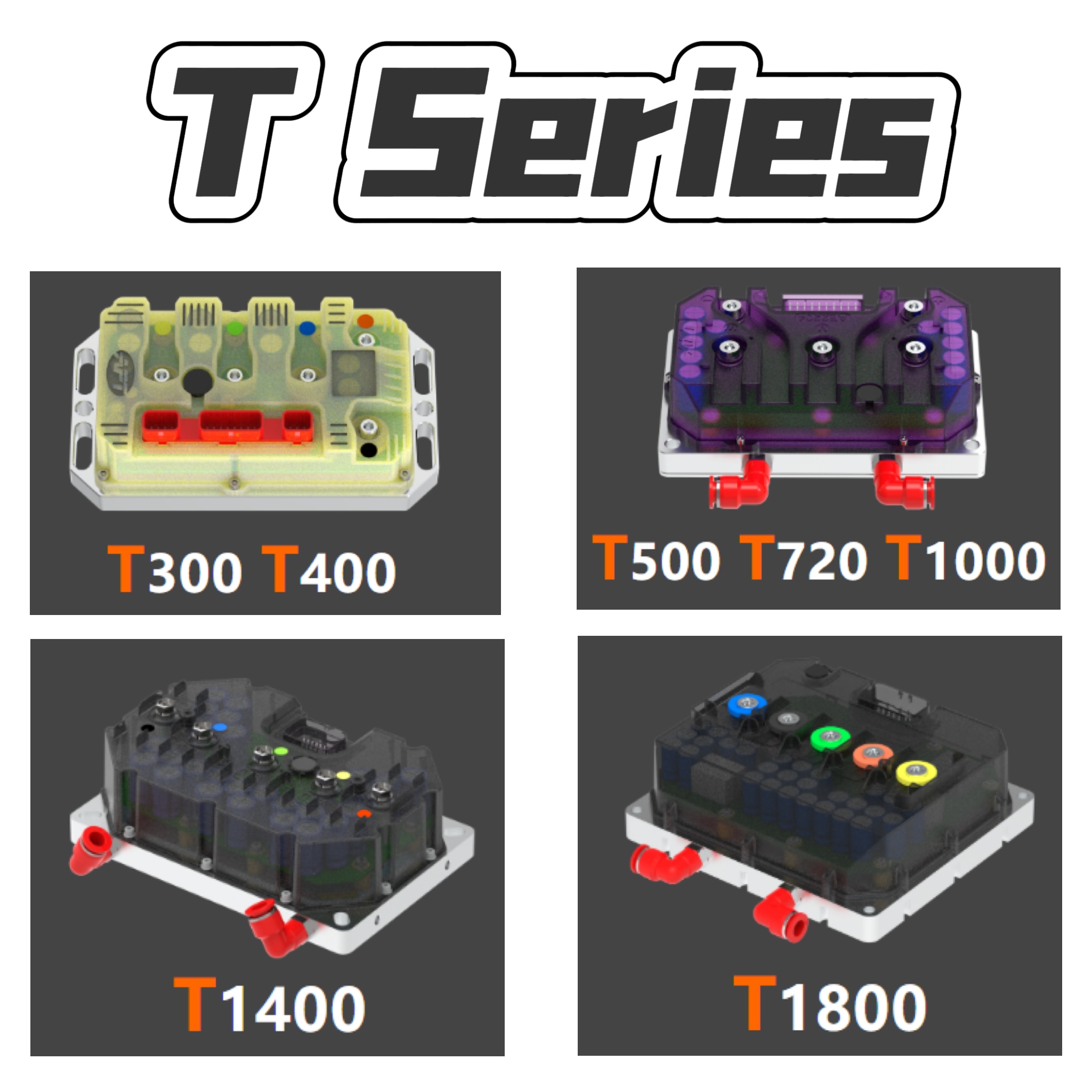
The Ebike Motor Controllers is the brain behind the ebike's motor system, regulating power flow and ensuring smooth operation. Some of the primary functions of an electric bike controller include:
- Speed Control: The controller regulates the motor’s speed based on rider input, ensuring smooth acceleration and deceleration.
- Torque Assistance: Electric bike controllers provide varying levels of torque to match the rider’s pedaling input, enhancing the overall riding experience.
- Battery Management: The controller ensures efficient power usage by managing the flow of electricity from the battery to the motor, maximizing battery life and performance.
- Regenerative Braking: Some controllers include regenerative braking, which converts kinetic energy into electrical energy during braking and feeds it back into the battery.
- Safety Features: Controllers come equipped with overcurrent, overvoltage, and thermal protection to safeguard the motor and other components from damage.
Challenges in Designing Electric Bike Controllers
While Electric Bicycle Motor Controllers play a crucial role in ensuring smooth and efficient operation, their design presents several challenges that must be addressed to meet the diverse needs of riders and environments. Some key challenges include:
- Power Management: Optimizing power distribution between the motor, battery, and controller to ensure long-lasting performance without sacrificing efficiency is a constant challenge.
- Compatibility with Different Motor Types: Ebikes may use various motor configurations, such as hub motors or mid-drive motors, which require specific control strategies and calibration.
- Environmental Durability: Controllers must be designed to function reliably under varying weather conditions, including rain, heat, and dust, all while maintaining safety and performance standards.
- Customizable Riding Modes: Many riders prefer different levels of assistance, so designing controllers that offer a wide range of customizable settings for various riding conditions can be complex.
- Lightweight and Compact Design: The growing demand for lightweight, compact controllers that do not compromise on performance adds another layer of complexity to the design process.
Innovations in Electric Bike Controller Technology
As the electric bike industry grows, so does the demand for more efficient and intelligent motor control systems. Some of the latest innovations in electric bike controller technology include:
- Brushless Motor Control: Advanced controllers now support brushless DC (BLDC) motors, providing higher efficiency, smoother operation, and greater longevity compared to brushed motors.
- Adaptive Torque Control: Some modern controllers can adjust torque assistance based on real-time rider data and terrain conditions, ensuring an optimal and customized riding experience.
- Energy Recovery Systems: Integrating regenerative braking and energy harvesting systems into the controller design allows ebikes to recover and store energy during deceleration, further improving efficiency.
- Smart Connectivity: Newer controllers are integrating IoT and Bluetooth technologies, allowing users to monitor and customize their ebike settings via smartphones or other devices.
- Temperature Management: Innovations in cooling systems ensure that controllers maintain optimal performance in high-temperature environments, preventing overheating during extended rides.
Electric Bike Controller Applications
Electric bike controllers are vital for ensuring that an ebike functions efficiently and reliably, providing smooth power delivery and optimal safety. These controllers are used in various ebike applications, ranging from personal transportation to industrial use. Shanghai APT Power Technology Co., Ltd. supplies advanced electric bike controllers to meet the growing demand for high-performance, sustainable mobility solutions. Below are some key applications of electric bike controllers:
Urban Transportation
Electric bikes are increasingly being used in urban transportation as an eco-friendly alternative to traditional vehicles. Controllers in these applications are designed to provide reliable power assistance while optimizing energy usage to extend battery life and reduce environmental impact.
Delivery Services
Electric bikes are being adopted by delivery companies to reduce costs and improve efficiency in last-mile delivery. In this context, controllers are designed for high performance and long battery life to support frequent stops, starts, and varying terrain.
Leisure and Recreation
For recreational use, electric bikes provide a convenient and fun way to explore nature, enjoy outdoor activities, and cover long distances without excessive exertion. The controllers in these applications are optimized for smooth acceleration, gentle riding modes, and efficient energy usage over long rides.
The Future of Electric Bike Controllers
As electric bike technology continues to evolve, so too will the controllers that power these systems. The future trends in electric bike controllers include:
- AI and Machine Learning: Future controllers may use AI to optimize performance based on environmental factors, terrain, and rider preferences, providing a more intuitive and personalized riding experience.
- Integrated Charging Systems: Advancements in wireless charging technology could eliminate the need for physical connections between the bike and the charging station, allowing for greater convenience and reliability.
- Advanced Battery Management: Electric bike controllers will integrate smarter battery management systems, offering more precise monitoring of battery health and usage, leading to longer lifespans and better performance.
- Enhanced Safety Features: Future controllers may include advanced safety features such as collision detection, smart braking, and automatic speed adjustments to improve rider safety.

 English
 Español
 عربى
عربى