 English
 Español
 عربى
عربى
Pancake BLDC Motor: How It Works, Trade-Offs & Applications
Content
What Makes a BLDC Motor "Pancake" Shaped
A pancake BLDC motor gets its name from its proportions, not its function. Instead of the tall, cylindrical "soup can" shape of a conventional motor, it's flat and wide, with a length-to-diameter ratio low enough that the whole thing looks more like a disc than a tube.
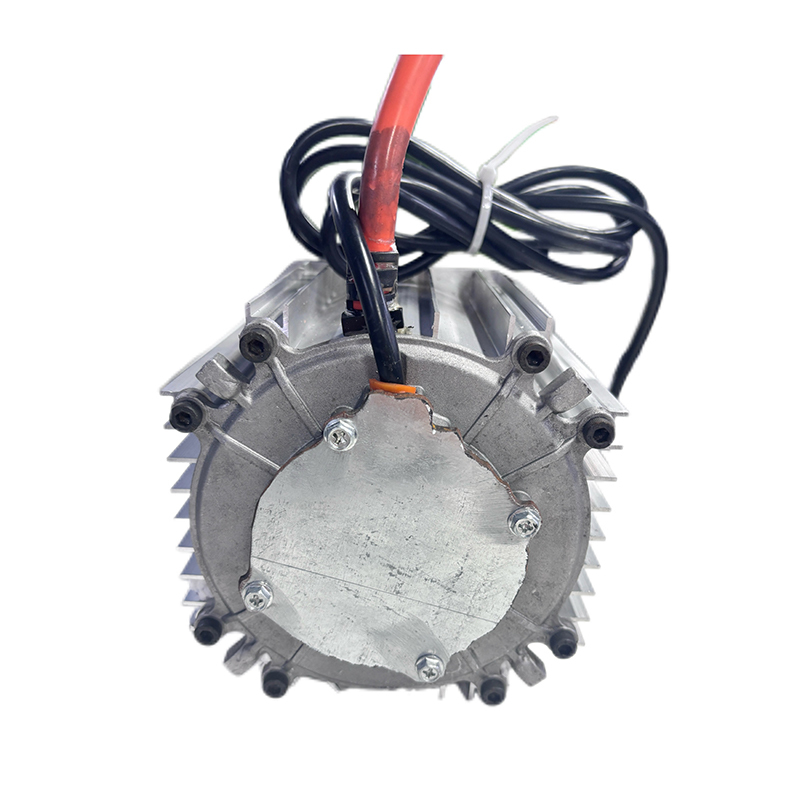
That shape comes from how the magnetic flux moves inside it. In a standard radial flux motor, the magnetic field travels outward from the shaft toward the housing. In a pancake motor, also called an axial flux motor, the flux runs parallel to the shaft instead, with the rotor sitting flat beside the stator rather than wrapped around it. This single change in geometry is what allows the entire motor to collapse down into a flat disc shape.
The Performance Trade-Offs of a Flat Form Factor
The pancake layout isn't just a packaging trick, it changes how the motor performs. Because the windings sit closer to the outer edge of the disc where the radius is largest, the motor generates more torque for a given amount of copper than a radial design of similar volume. The flat, open structure also exposes more surface area to the air, which makes cooling considerably more straightforward than pulling heat out of a tightly wound cylindrical core.
Those benefits come with real costs. Keeping a precise, uniform air gap between a flat rotor and stator is a tighter manufacturing tolerance than the concentric gap in a radial motor, which pushes up production cost. Speed is limited too, since the rotor's disc shape and the magnetic forces at play don't tolerate the same RPM ranges a radial motor handles comfortably. For applications where axial space is tight but torque and thermal headroom matter more than top speed, that trade-off tends to work out in the pancake design's favor.
Where the Pancake Design Shows Up in Everyday Products
The flat profile makes this motor type a natural fit anywhere axial length is the scarce resource rather than diameter. Camera gimbals and robotic joints use small pancake BLDC motors to keep the rotating assembly thin enough to fit inside a compact housing. Drones benefit from the same trait, mounting flat motors directly to the arm without adding bulk that would affect flight dynamics.
At a larger scale, the same geometry shows up in electric motorcycles and vehicle drivetrains, where a flat motor can bolt directly into a swingarm or wheel assembly instead of requiring a separate housing and driveshaft. Where more torque range and mechanical gearing flexibility matter more than a flat profile, mid-drive motors as the alternative when more torque and gearing flexibility matter more than a flat profile remain the better fit, since they sit at the crank and route power through the vehicle's existing gearing rather than driving the wheel directly.
The Hub Motor: A Pancake BLDC Motor You Already Know
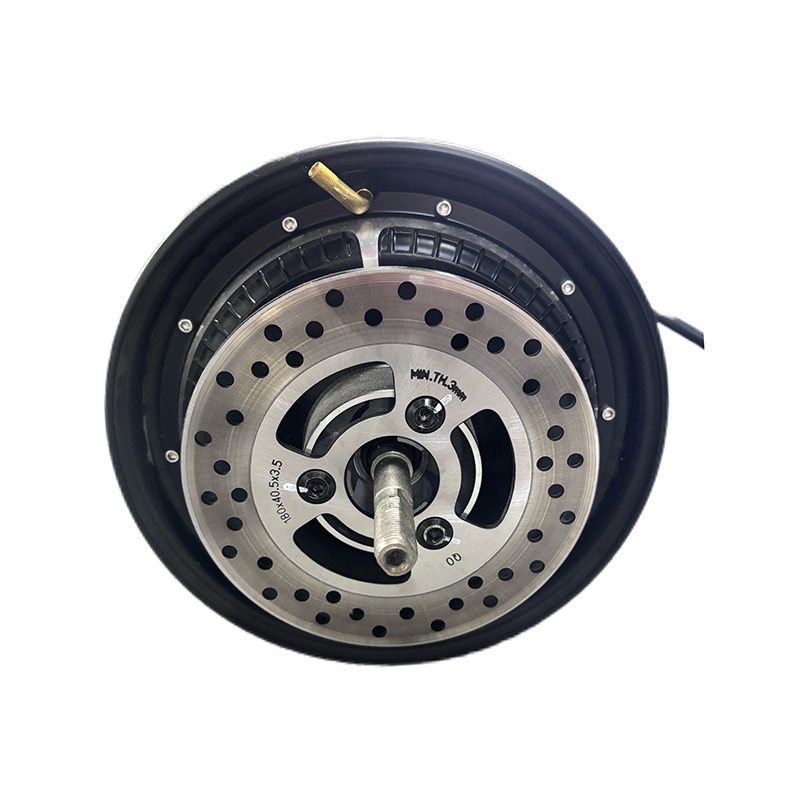
If you've ridden an ebike or electric scooter, you've likely already used a pancake BLDC motor without realizing it. A hub motor integrates the drive motor directly into the wheel, and that only works because the motor is flat enough to fit inside the hub without adding excessive width to the wheel assembly.
Industry reporting on axial flux motor adoption in e-mobility points to exactly this trait: the pancake shape lends itself naturally to in-wheel integration, since the motor sits inside the wheel rather than requiring a separate mounting point and drivetrain. ebike and scooter hub motors built on this same flat, axial-flux layout apply the same design principle at a scale suited to daily commuting and short-distance travel, trading some top-end speed for a simpler, lower-maintenance drivetrain with fewer moving parts.
Matching a Controller to a Pancake-Style Motor
A pancake motor's torque and speed characteristics are different enough from a radial motor's that the controller pairing deserves its own attention. These motors tend to deliver strong torque at lower RPM, which means a controller tuned for a taller-profile, higher-speed motor may not extract the pancake motor's full performance, or worse, may run it outside its efficient operating band.
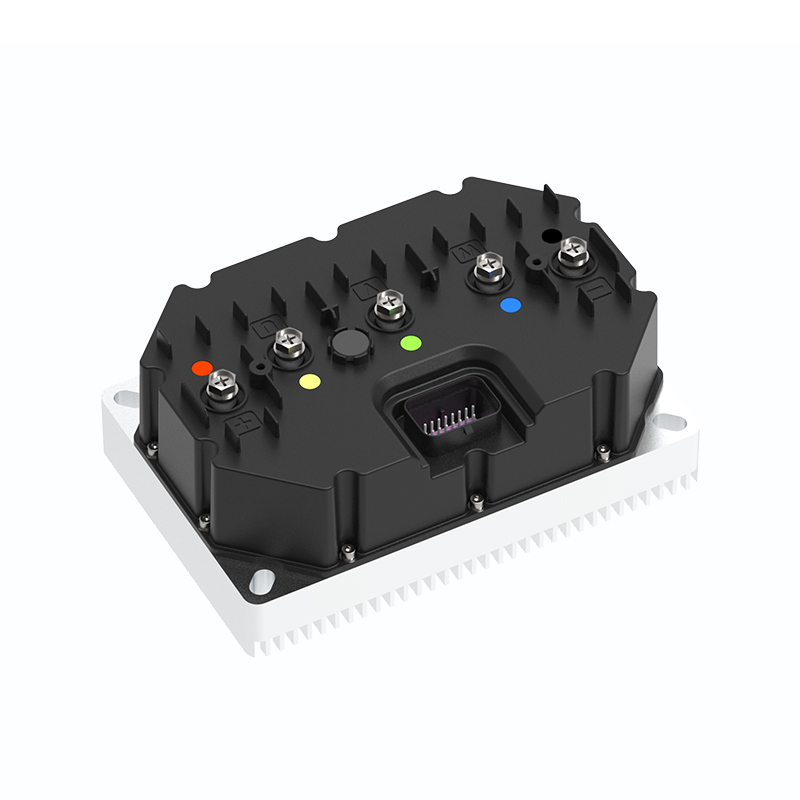
Getting this right starts with matching current and voltage ratings correctly. brushless DC motor controllers sized to match a given motor's current and voltage profile are the starting point for any pairing decision. For applications where the flat motor's characteristic hum needs to stay minimal, such as consumer ebikes or indoor robotics, an ultra-quiet controller suited to low-speed, high-torque motor profiles tends to be a better match than a controller optimized purely for peak RPM. For anyone unsure how to translate a given pancake motor's specs into a controller choice, a controller and motor pairing guide for matching specs correctly walks through the relevant parameters step by step.
NEXT:BLDC Hall Sensor: How It Works, Types & Troubleshooting Guide
Interested in cooperation or have questions?
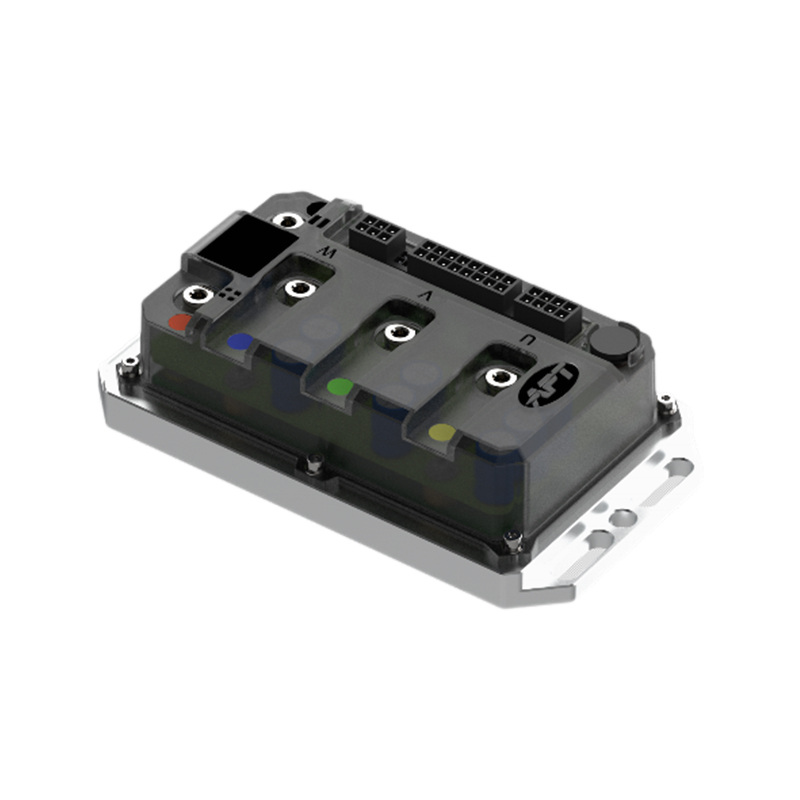
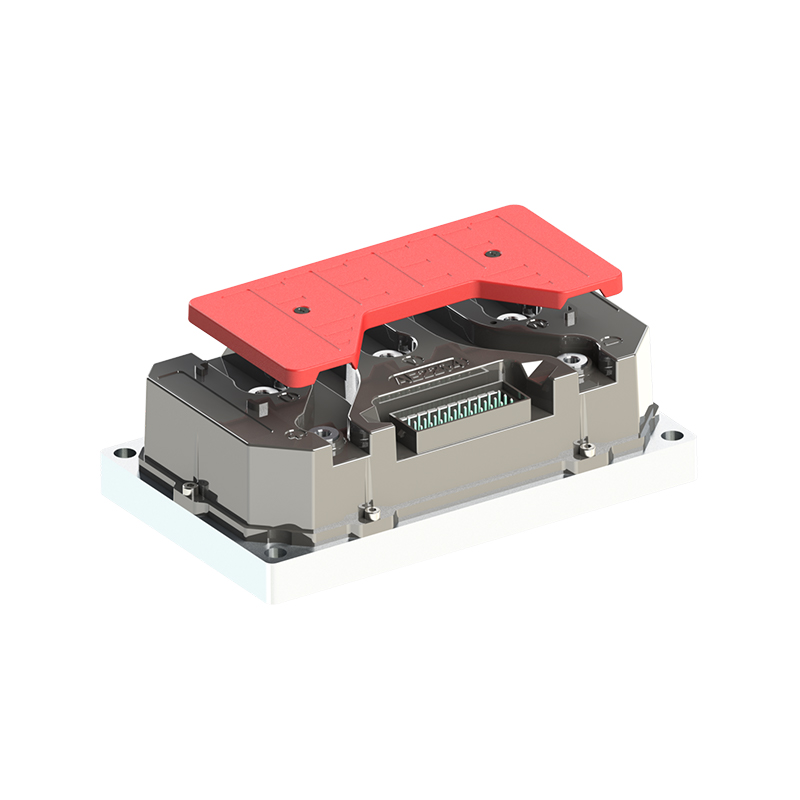
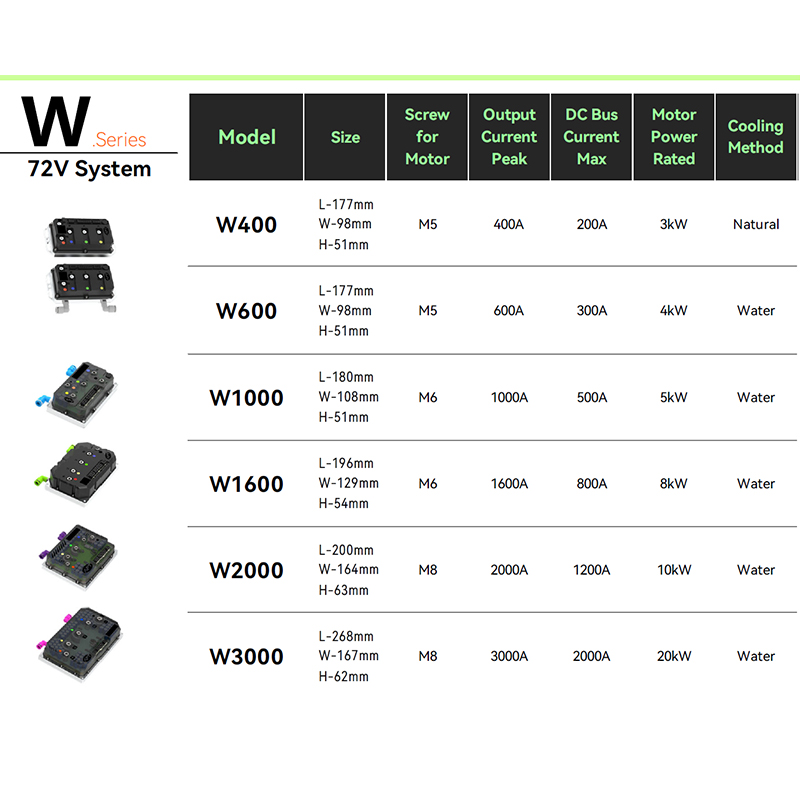

As Custom Permanent Magnet Synchronous Motor Controllers Manufacturers and Permanent Magnet Motor Controllers Suppliers in China, Focusing on the drive control of permanent magnet synchronous motors, we provide a safe and sufficient power source for the electrification of travel vehicles.
- [email protected]
- +86-170 9191 9800
- Room 123A, No. 1000 Ziyue Road, Minhang District, Shanghai, China
Copyright © Shanghai APT Power Technology Co., Ltd.All rights reserved

