 English
 Español
 عربى
عربى
Brushed vs Brushless Motors: Key Differences, Efficiency, and How to Choose
Imagine that you are finalizing a drive specification for a 2 kW electric motorcycle or a compact mobile robot. A brushed DC motor may cost $40. A brushless motor plus its electronic controller may cost $95. If you look only at the initial price, the brushed motor looks sensible. But once you account for maintenance intervals, thermal losses, and the 1,000 to 3,000 hour brush life, the total cost of ownership changes direction. For most electric mobility and automation platforms, the brushless motor is the practical choice.
Brushed and brushless motors both convert electrical energy into rotation, but they do not do it the same way. The selection is not about which is good; it is about what you are willing to trade.
Content
What Actually Separates Brushed and Brushless Motors?
In a brushed motor, carbon brushes ride on a mechanical commutator and physically switch the current as the rotor turns. That contact creates friction, arcing, and electrical noise. In a brushless motor, permanent magnets rotate on the rotor and the stator coils are switched electronically. There is no physical current-switching contact, so the motor can run cooler and quieter.
This difference also changes the system architecture. A brushed motor can be driven by a simple PWM controller, while a brushless motor needs an electronic controller that knows the rotor position and sequences the phase currents. The controller becomes the deciding component for smoothness, torque, and protection.
Brushed commutation limits the motor's speed range. The mechanical switchover depends on brush position, and at high rpm the brush contact can bounce, causing arcing and rapid wear. Brushless motors replace this mechanical timing with electronic commutation computed from rotor position sensors or sensorless back EMF. That opens a wider speed range and smoother torque control.
Efficiency and Heat: The Biggest Operating Difference
Efficiency is the first place where the two motor types diverge in a way you can measure. A typical brushed motor converts 75 to 85 percent of electrical energy into shaft power. A brushless system usually reaches 85 to 95 percent. The lost energy becomes heat. In a brushed motor, heat is generated at the brush-commutator interface, and it often raises the temperature of the rotor and the housing.
| Aspect | Brushed Motor | Brushless Motor |
|---|---|---|
| Efficiency | 75-85% | 85-95% |
| Lifespan | 1,000-3,000 hours | 10,000-30,000+ hours |
| Maintenance | Brush and commutator wear | Low; bearing service |
| Noise | Audible brush noise | Quieter operation |
| Initial cost | Lower for small motors | Higher motor plus controller |
| Control requirement | Simple drive or none | Dedicated controller needed |
For a vehicle with a limited battery pack, a 10 percentage point difference in efficiency is not just a spec sheet number. It can extend driving range or reduce the size of the radiator. The cooler running envelope also lets you push higher continuous power without derating.
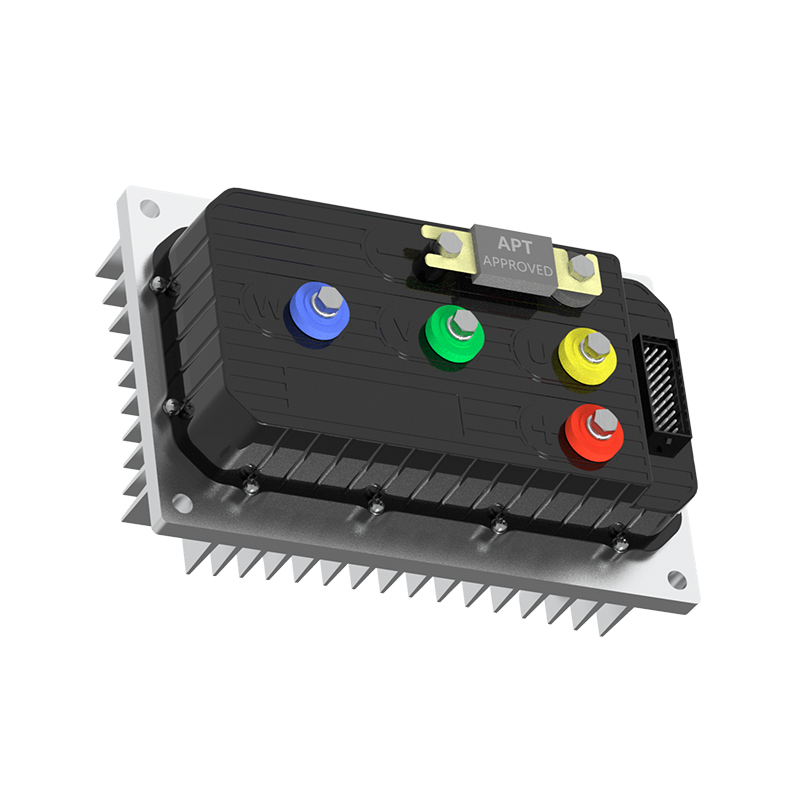
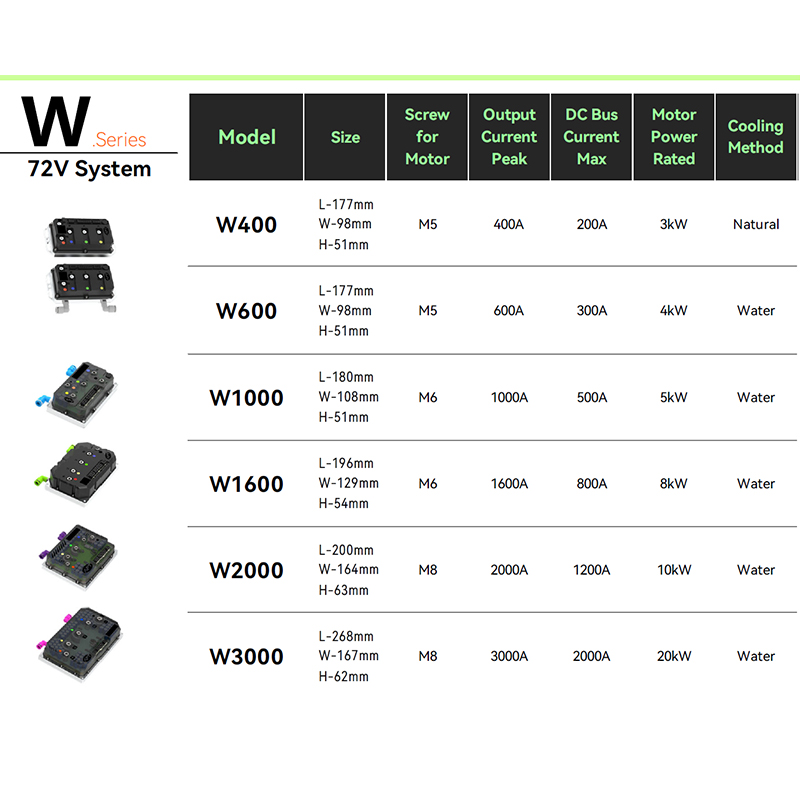 High-Efficiency Brushless DC Motor Controller for Electric VehiclesThis controller reduces switching losses and helps the motor operate near its optimum torque-speed region, extending driving range and reducing cooling requirements for electric motorcycles and robot chassis.View Product →
Selecting the right controller matters here. A high-efficiency brushless controller reduces switching losses and helps the motor operate near its optimum torque-speed region.
Thermal behavior also affects peak output. Brushed motors often need a larger frame or an external fan to manage heat, while brushless motors can deliver the same continuous torque in a smaller package. For an electric motorcycle, this difference can reduce overall weight and improve handling. For a robot chassis, it leaves more room for the battery and the payload.
Lifespan, Maintenance, and Total Cost of Ownership
Brush life is the hard trade-off. Because the brushes physically rub the commutator, they wear out. In typical industrial use, a brushed motor may survive 1,000 to 3,000 hours before you have to replace brushes or resurface the commutator. Brushless motors commonly reach 10,000 to 30,000 hours or more, with the practical limit often set by bearings rather than electrical parts.
That changes how you budget for maintenance:
- Brushed motors require scheduled brush replacement, spare parts, and labor time.
- Brushless motors remove the most common wear element, so service intervals can be extended.
- In unattended or remote equipment, the reduced maintenance requirement lowers the probability of unexpected downtime.
If you compare the cost of ownership over five years, a brushless system often pays back its higher purchase price. The payback depends on duty cycle, ambient temperature, and the cost of a service visit.
Another cost factor is spare parts logistics. If you operate a fleet of robots or vehicles, keeping a stock of replacement brushes, springs, and tooling for each brushed motor is an overhead that scales with fleet size. Brushless motors have far fewer wear items, and the electronic controller can log faults, which makes diagnostics faster.
Why Controller Matching Decides Brushless Performance
A brushless motor is only as good as its controller. The controller must provide smooth electronic commutation, current sensing, overcurrent protection, thermal protection, and often a regeneration path. If the controller is not matched to the motor's phase resistance, inductance, and back EMF constant, the system can run hot, make noise, or lose torque at low speed.
This is where the supplier's application support becomes valuable. Matching the controller to the motor is a practical engineering task, not a plug-and-play guess.
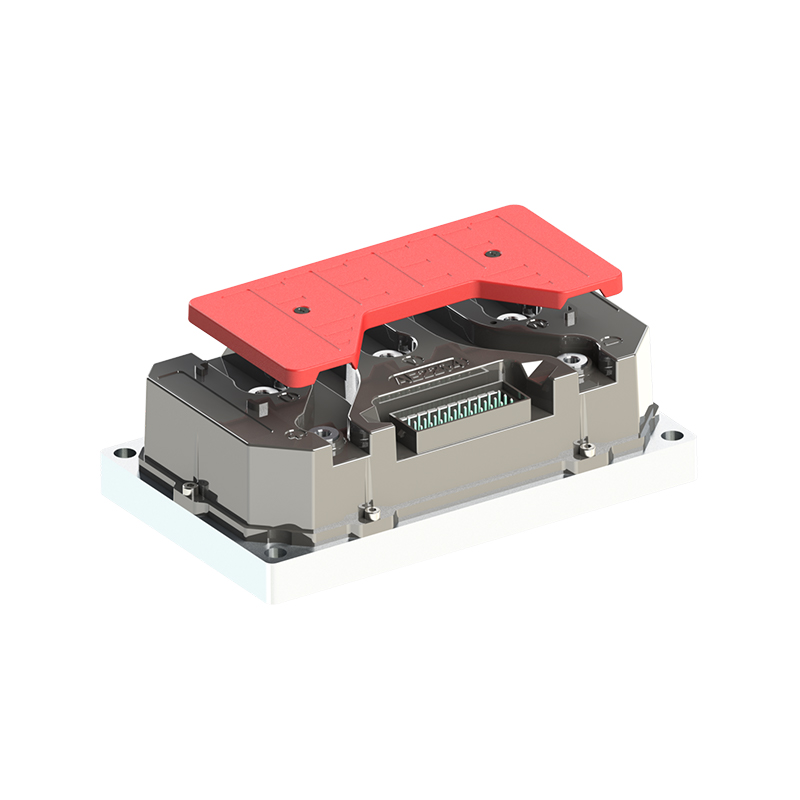
Controller and Motor Pairing Solution for Drive SystemsThis pairing scheme provides technical support and embedded software to match controllers with motors, improving acceleration, stall behavior, and efficiency across various electric platforms.View Product →
Modern controllers also carry embedded software that influences acceleration, stall behavior, and efficiency. In many cases, the firmware does more work than the hardware. You can see the broader trend in software in modern motor controllers, where the controller is becoming a programmable energy-management device rather than a simple switch.
Key controller features to look for include:
- Phase current limit with a fast response time.
- Overvoltage and undervoltage protection.
- Temperature monitoring on the MOSFETs and the motor windings.
- Smooth start and stop profiles.
- The ability to match the commutation angle to the motor's back EMF.
Where Each Motor Type Makes Sense
Brushed motors are still useful in low-cost, low-power, or short-duty applications. Power tools with intermittent use, small actuators, and simple toys do not demand long brush life. In those cases, a brushed motor is a valid engineering decision.
For electric motorcycles, ATVs, UTVs, boat outboards, and robot chassis, the requirements are different. These platforms need high torque density, quiet operation, thermal headroom, and long service life. That is why most manufacturers in these segments choose a brushless topology.
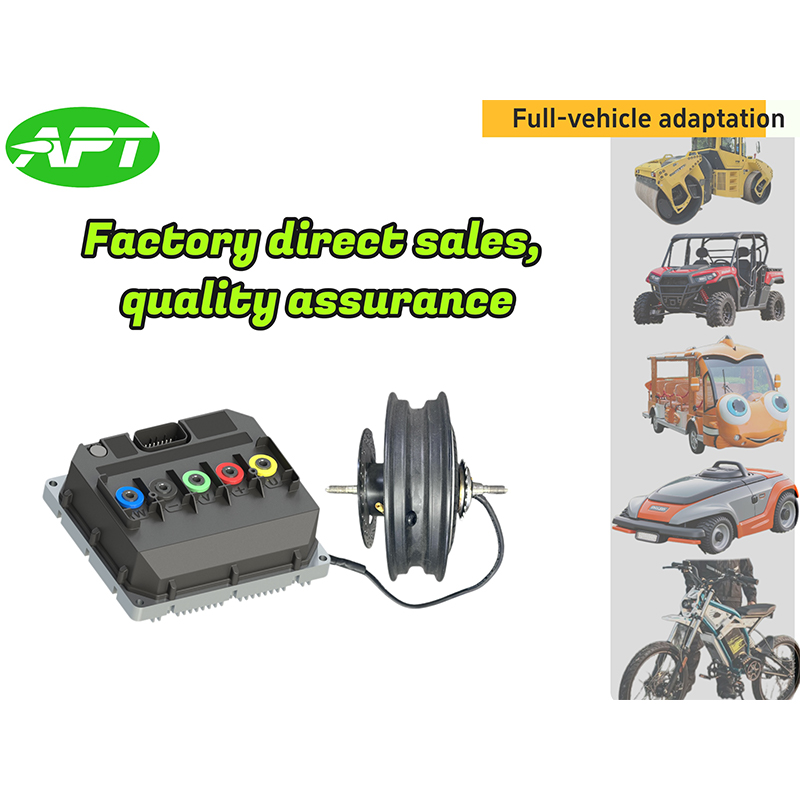 Electric Hub Motor for Compact Propulsion SystemsThis brushless hub motor integrates directly into the wheel, offering high torque density and quiet operation for electric motorcycles, ATVs, and robotic platforms.View Product →
In a hub motor, the brushless construction allows the motor to be integrated directly into the wheel without the space and noise penalty of a brushed equivalent. The result is a cleaner, more compact propulsion package for nimble small vehicles and robotic platforms.
In a low-speed electric scooter, brushed motors are still common because the duty cycle is short and the user is nearby. In an electric motorcycle that is used daily on hills, the heat build-up from a brushed motor can become a real limitation. The brushless motor, paired with a suitable controller, holds its torque longer and recovers energy during braking. These are practical differences that show up in range, battery life, and rider confidence.
Final Recommendation
Choose a brushed motor when the duty cycle is short, the speed is low, the power requirement is small, and the purchase price is the main constraint. Choose a brushless motor when you need high cycle life, low noise, tight temperature control, or longer maintenance intervals. In electric mobility and automation, the brushless path consistently provides better system value.
Before you commit to a motor, ask the supplier for documented efficiency curves, a matching controller recommendation, and a clear answer on how the unit behaves under stall or hot conditions. The difference between a brushed and brushless motor is not just a diagram in a training manual; it is the difference between a drive that is cheap to buy and a drive that is cheap to own.
Also pay attention to ingress protection and connector types. A brushless motor's controller must be mounted where it can reject moisture and vibration. The supplier should provide cable lengths, IP rating, and the maximum ambient temperature for the controller. These details matter more than the brushed versus brushless debate in many real-world installations.
NEXT:Motor Control Algorithms: Six-Step, FOC, and Sensorless Methods Explained
Interested in cooperation or have questions?

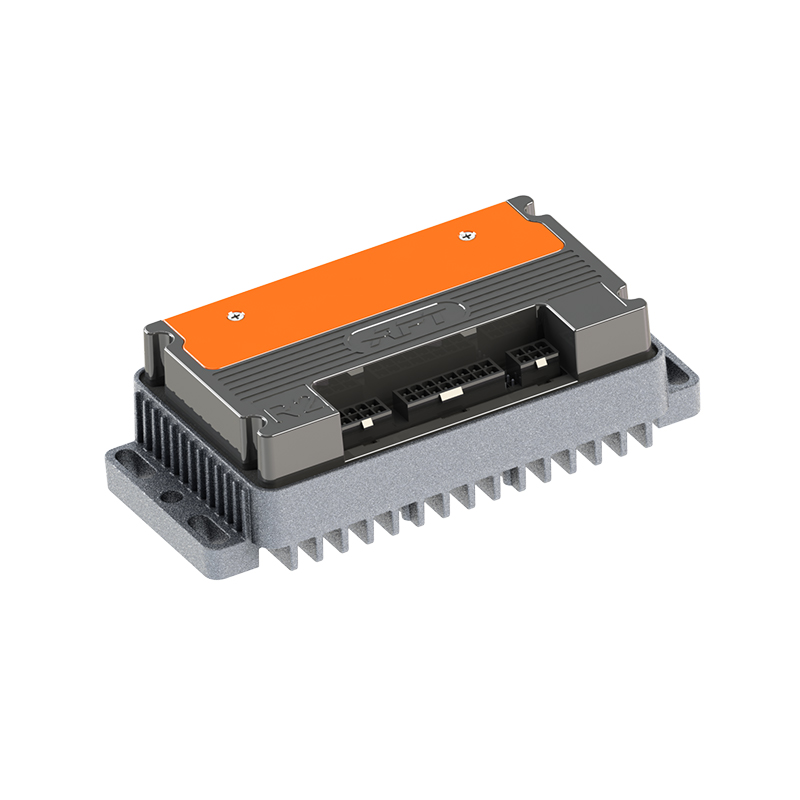
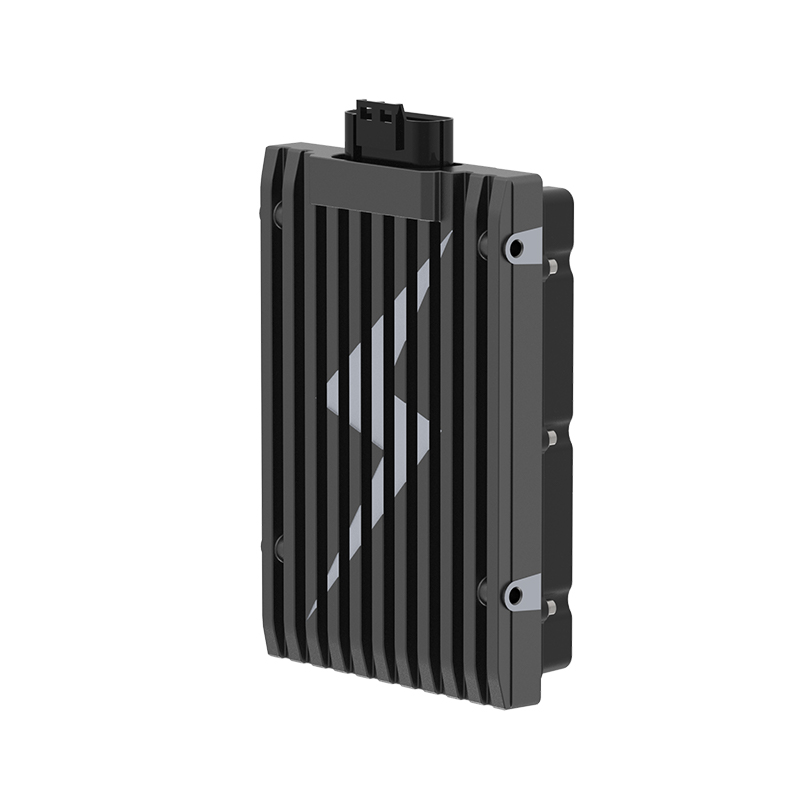

As Custom Permanent Magnet Synchronous Motor Controllers Manufacturers and Permanent Magnet Motor Controllers Suppliers in China, Focusing on the drive control of permanent magnet synchronous motors, we provide a safe and sufficient power source for the electrification of travel vehicles.
- [email protected]
- +86-170 9191 9800
- Room 123A, No. 1000 Ziyue Road, Minhang District, Shanghai, China
Copyright © Shanghai APT Power Technology Co., Ltd.All rights reserved

