 English
 Español
 عربى
عربى
Brushless Motor Benefits: Efficiency, Longevity, and Precise Speed Control
Brushless motors are not just a quieter alternative to brushed motors. They deliver measurable gains in efficiency, service life, and control precision that directly affect range, maintenance intervals, and end-user experience in electric motorcycles, robot chassis, ATVs, UTVs, and marine outboards. If you are choosing a drive system for one of those applications, the benefits come down to how well the motor and controller are matched to your load profile.
Content
What Makes a Brushless Motor Different
A brushed motor relies on physical brushes to commutate current from the rotating armature. Those brushes rub against the commutator, which creates friction, electrical sparking, and wear over time. A brushless motor eliminates the mechanical commutator entirely. A controller switches current through the stator windings based on the rotor position, using hall sensors or sensorless back-EMF detection.
With no brushes to wear out, the rotor can be built with permanent magnets, allowing higher speeds, better heat dissipation, and lower maintenance. The controller becomes the brain of the system, which is why brushless motor benefits are always tied to electronic commutation quality.
The Measurable Benefits of Brushless Motors
Higher Efficiency and Lower Energy Loss
Brushless motors normally reach 85–95% efficiency in the operating range where most traction and robotics applications work, while brushed motors often stay in the 70–85% band. Because a larger share of input power becomes useful torque, the battery drains more slowly, and the system produces less heat. The controller has to handle less thermal stress, which lowers the risk of derating or failure. For an electric motorcycle, that extra efficiency can translate into a few more kilometers of range; for a robot chassis, it reduces the cooling requirement inside a sealed enclosure.
Longer Service Life and Less Maintenance
The absence of brushes removes the main wear component. Brushed motors need periodic brush replacement, which can be impractical in an ATV that operates in dusty environments or in a hub motor that is sealed for weather resistance. Brushless motors still have bearings that wear, but in properly specified systems, the rotor and stator can last thousands of hours without service. Field failures are more often caused by the controller than by the motor itself, which is why choosing a capable controller matters as much as choosing the motor.
Quieter Operation and Better Thermal Behavior
Without the sliding contact, there is no brush chatter, and electronic commutation can shape the current to minimize electromagnetic noise. This is why brushless drives are preferred for medical equipment, near-silent electric scooter hubs, and robotics that run next to people. In high-power applications, the absence of brush friction means heat is generated mostly in the stator, which can be cooled more effectively through the motor housing. Controllers with sinusoidal commutation reduce torque ripple, which cuts vibration and acoustic noise further.
Higher Power Density in a Compact Package
Permanent-magnet brushless motors produce more torque per kilogram than comparable brushed motors. That matters in wheel hub motors, mid-drive e-bike motors, and robot joints where weight and mass distribution affect handling and response. With a compact motor, designers can add batteries, cooling, or payload instead of spending space on iron and copper. The result is a drivetrain that fits into smaller envelopes without sacrificing performance.
Precise Speed and Torque Control
Electronic commutation lets the controller adjust current to each winding phase almost instantaneously. Field-oriented control and sinusoidal drive techniques allow smooth torque from standstill to high speed, and closed-loop speed control holds setpoints without visible ripple. In an autonomous mobile robot or an outdoor service robot, that precision enables better path tracking and gentle handling of payloads. In an electric ATV, it translates into controlled low-speed crawling and smooth acceleration across uneven terrain.
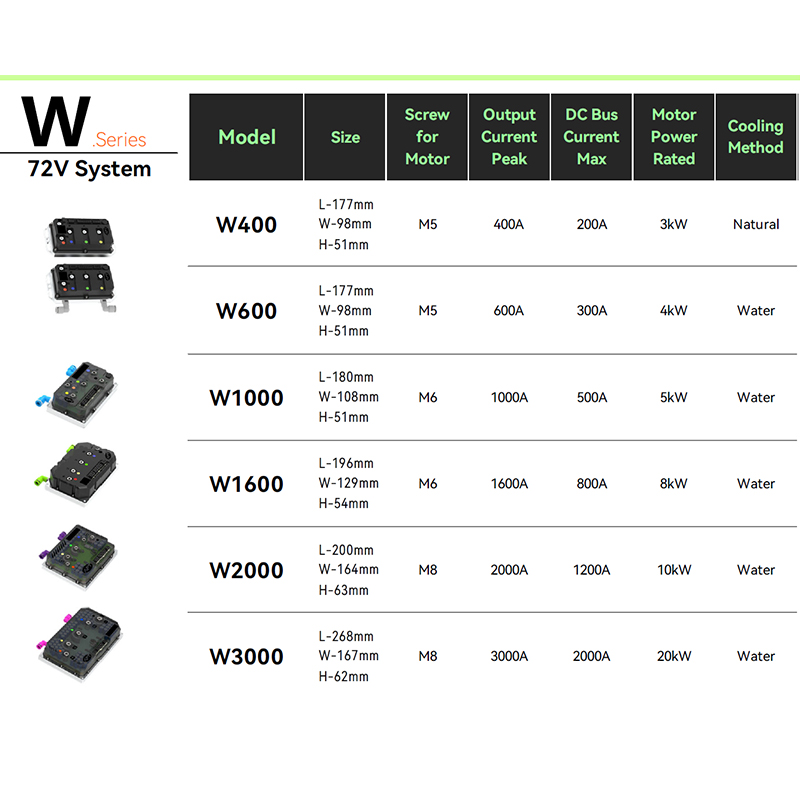 A4 High-Efficiency Brushless DC Motor Controller for EV and RoboticsThe A4 controller supports precise field-oriented control and closed-loop speed regulation, making it suitable for electric motorcycles, robot chassis, ATVs, and marine applications. Its high-power MOSFET parallel design ensures reliable performance under varying loads.View Product →
Where Those Benefits Matter Most
Not every application needs all these advantages. The right decision depends on the duty cycle, environment, and vibration levels.
- Electric motorcycles and scooters: efficiency and compact power density determine range and packaging.
- Robot chassis and AMRs: precise speed control and quiet operation matter for safety and human acceptance.
- ATVs and UTVs: torque density and reliability in dusty, harsh conditions are critical.
- Electric outboard motors: corrosion resistance, low noise, and high starting torque support boat handling.
- Mid-drive and hub motors for light electric vehicles: each topology shifts the balance between gear reduction, weight distribution, and maintenance.
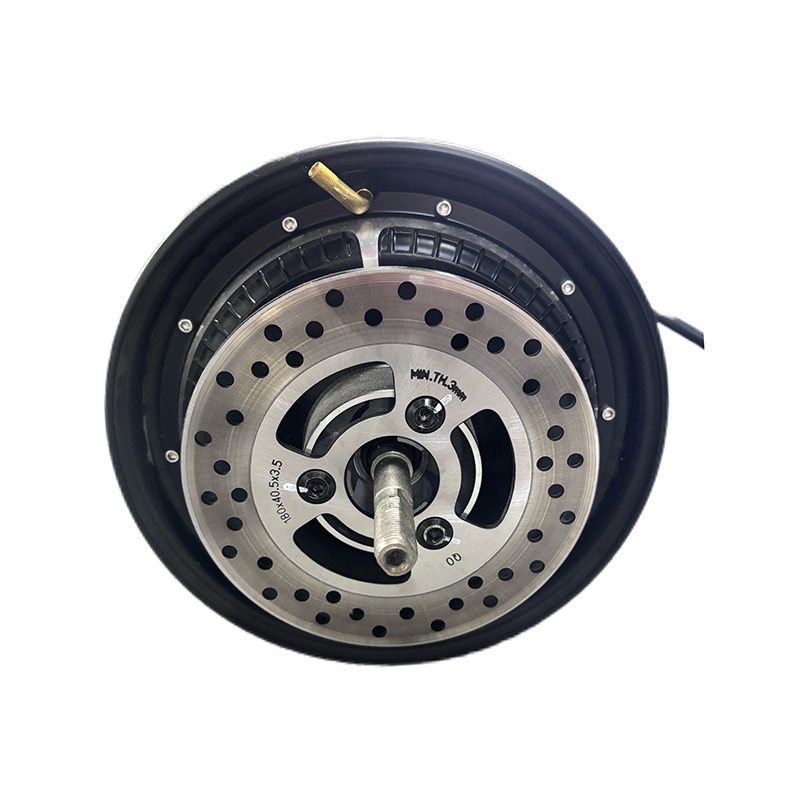 Mid-Drive Electric Motors Matching Controllers for Multi-Scenario UseMid-drive motors from this supplier are engineered for electric motorcycles, robot chassis, ATVs, UTVs, and outboards. Pairing them with the right controller delivers smooth torque and efficiency across duty cycles.View Product →
Why the Controller Plays a Critical Role
The brushless motor is only as good as the controller that drives it. A poorly matched controller can cause weak start-up torque, overheating, cogging, or overcurrent errors. The controller handles commutation, current regulation, fault detection, and sometimes field-oriented control, so the performance differences between two motor systems often come down to the controller rather than the motor.
For a specific vehicle, the matching process must consider voltage range, phase current capacity, hall sensor type, and communication interface. A controller and motor matching guide can help you avoid the common mistake of sizing a motor for peak torque but driving it below its efficient range.
What to Look For When Choosing a Brushless Motor System
Select a system on the basis of your real operating envelope, not catalog maximums. Peak torque figures often look impressive, but they may only be available for a few seconds before the motor derates. The continuous torque curve at operating temperature is the number that should drive your decision.
- Continuous torque and speed at operating temperature: check the motor's continuous torque curve, not just peak torque.
- Controller current limit and voltage range: make sure the controller can deliver the motor's rated phase current without hitting thermal limits.
- Commutation interface: hall sensors or sensorless operation; sensorless can save wiring but may struggle at very low speed.
- Protection features: overcurrent, overvoltage, over-temperature, stall detection, and IP rating for dust and water exposure.
- Thermal design: evaluate how heat is removed from the motor and controller in an enclosed installation.
- Software support and tunability: field-oriented control profiles, acceleration limits, and regen braking behavior.
If the controller's PWM frequency is too low or the current loop is not tuned, you may see audible noise and increased heat even with a high-efficiency motor. For applications that need near-silent operation, a controller designed with low-noise commutation profiles can be the difference between a product that feels premium and one that sounds like a buzz.
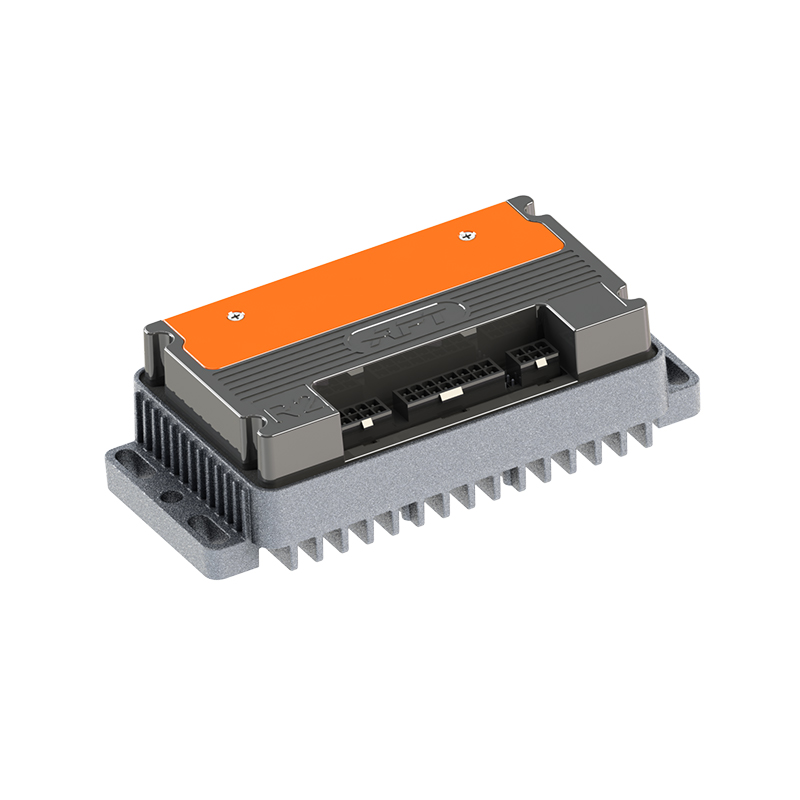
A6 Ultra-Quiet Brushless DC Motor Controller for Premium ApplicationsThe A6 controller features ultra-quiet commutation profiles, reducing audible noise and heat generation. It is ideal for products requiring near-silent operation, such as premium robots or electric vehicles, enhancing user comfort and perceived quality.View Product →Conclusion
The real value of a brushless motor shows up in the complete drive system: better efficiency, longer life, quieter operation, and precise control. For OEMs building electric motorcycles, robots, ATVs, UTVs, or marine outboards, the key is to pair the motor with a controller that is specified for the same continuous load profile. That is where the practical benefits turn into reliability and customer satisfaction.
NEXT:Brushed vs Brushless Motors: Key Differences, Efficiency, and How to Choose
Interested in cooperation or have questions?
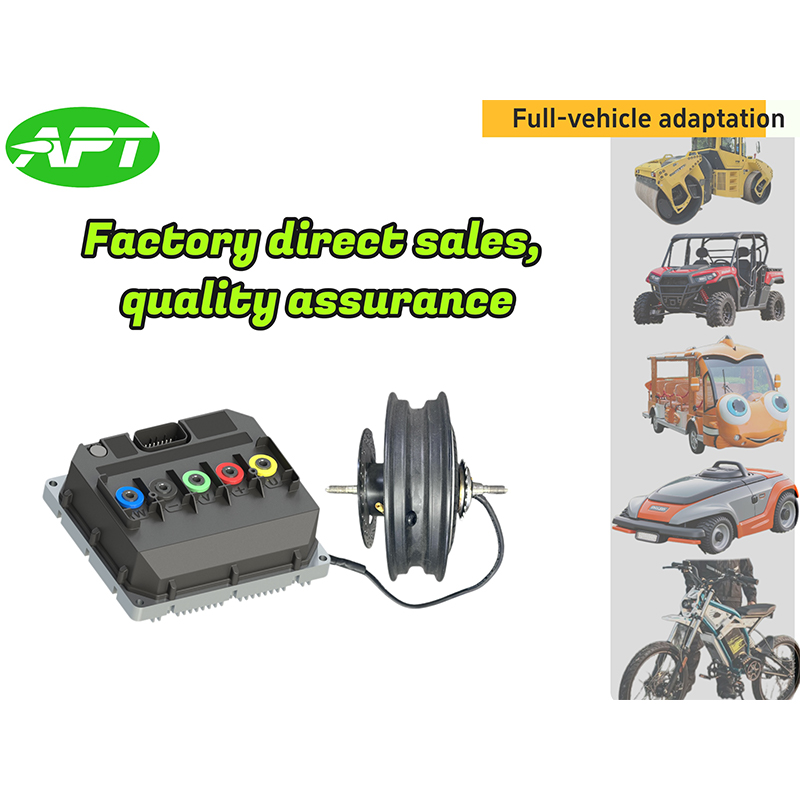
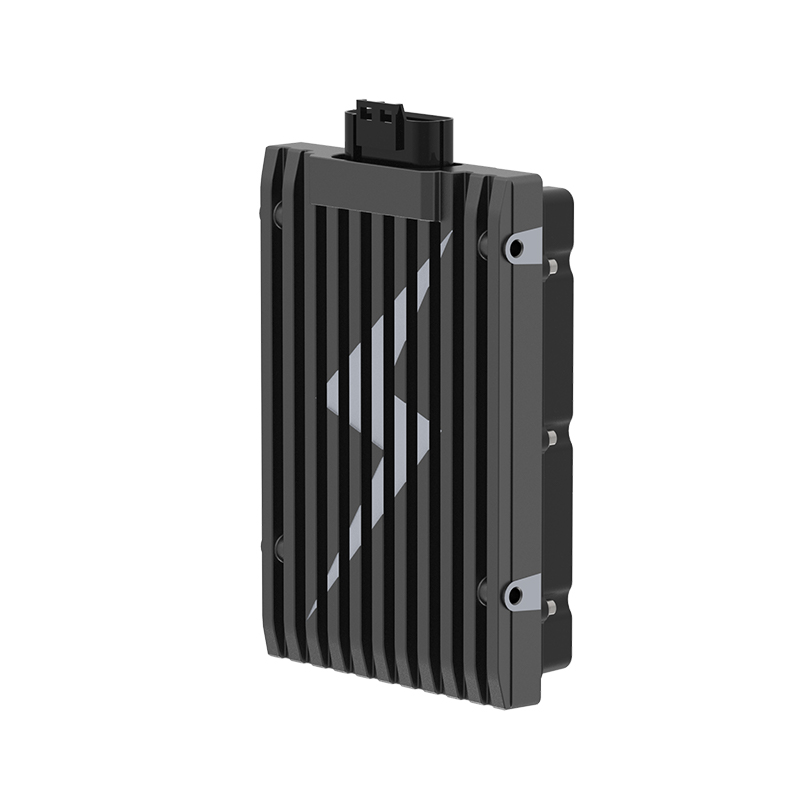
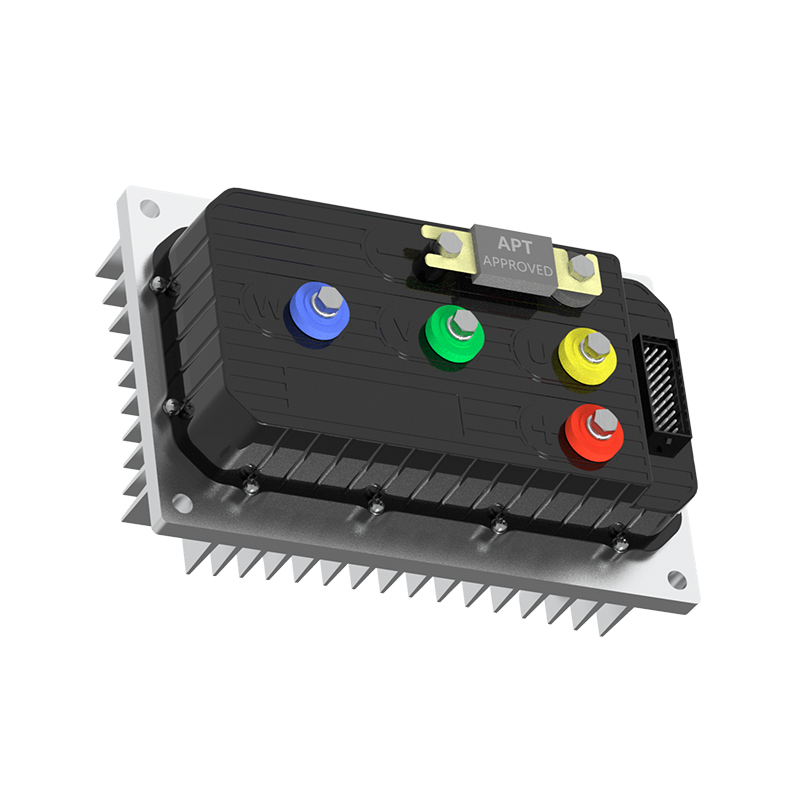
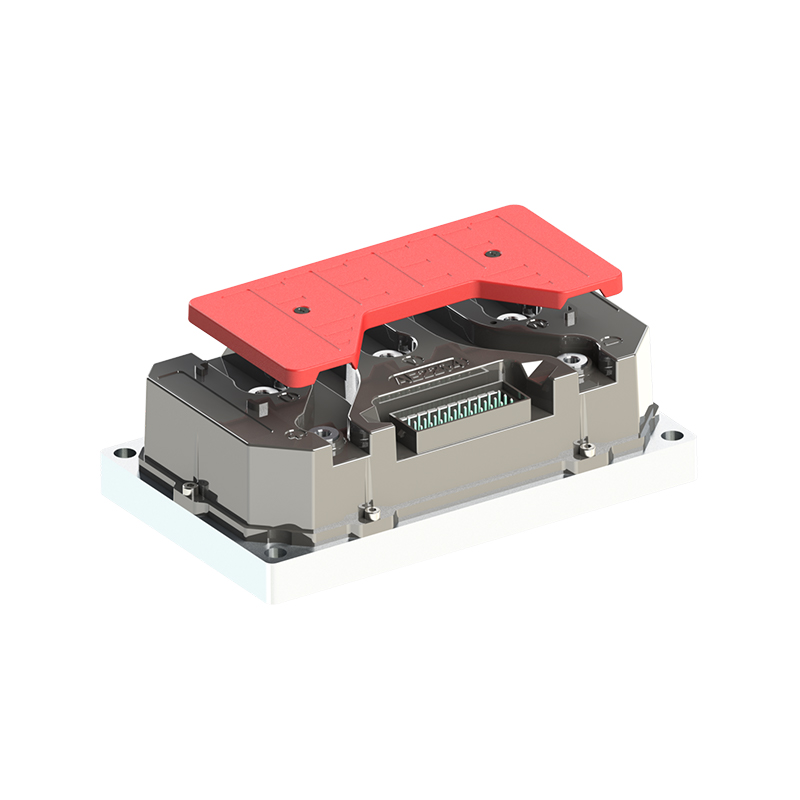

As Custom Permanent Magnet Synchronous Motor Controllers Manufacturers and Permanent Magnet Motor Controllers Suppliers in China, Focusing on the drive control of permanent magnet synchronous motors, we provide a safe and sufficient power source for the electrification of travel vehicles.
- [email protected]
- +86-170 9191 9800
- Room 123A, No. 1000 Ziyue Road, Minhang District, Shanghai, China
Copyright © Shanghai APT Power Technology Co., Ltd.All rights reserved

